

Now we are seven and all systems are go. Click http://www.stockbridgeupdates.com and in upper right corner, subscribe or leave us a comment. Find our complete archive from the first issue in August 2020 through April 15, 2026. Search an old article, read or reread them, and of course, take another look at all those fabulous photographs. if you would like to support Stockbridge Updates, go to VENMO @carole-owens-6 (no caps) or mail a check to P. O. Box 1072, Stockbridge, MA. 01262. If you like this issue, pass it on.
IN THIS ISSUE: VOL. VII NO. 04 03/01/2026
by Christine Rasmussen
by Carole Owens, Executive Editor
by Carole Owens with invaluable help from Jim Finnerty
Events
Events
The Stockbridge Library annual Valentine’s Day Party will be from 10am to 2pm on February 14th
The Craven Contemporary, 4 Fulling Lane, Kent, Ct., announces “When I Heard at the Close of Day” a solo show by Bruce Brodie. The gallery Is open on Saturdays and Sundays. Brodie will be there on February 14th and 15th
From artist and Stockbridge resident Bruce Brodie
We moved to Stockbridge, into a wonderful old rambling house on the hill above town, in 2022.
Retiring after a career in business, I jumped, feet first, into picking up the paintbrushes I had left fallow recently. I found a young(er) community of artists and studio space at The Muse in Monument Mills and rented a studio, overlooking the Housatonic. It reminded me of New York lofts of early days in Soho where I lived after graduating from Yale as a painter 50 years ago!
Over the last few years, working in this new space, I explored new themes (for me), and want to introduce the result of my work. I have an upcoming one-man show at Craven Contemporary gallery in Kent, which opens this weekend and will run through March 15.
The show, consisting of 18 paintings, all completed in 2025 is called, ‘When I heard at the close of the day.’ The titles of the paintings in the show all borrow from the poetry of Walt Whitman to help put words to the painting’s themes invoking the seasons, sunlight, weather, heaven and earth, love, ardor and longing.
My work, in 2025, started in anticipation of changing times and took shape amidst the persistent drumbeat aimed at consolidating power and curtailing freedoms. My response, increasingly, was to look to the skies to express his feelings and find hope.
Norman Rockwell Museum presents
Readings at Rockwell: Glimpses of the Moon by Edith Wharton, February 4th, 6pm
A History of Illustration – “The Abyss” until May 31, 2026
This exhibition aims to demonstrate the vast complexity of illustration, while simultaneously illustrating something vastly complex: the ocean. From the 19th century to the present, artists have engaged with the concept (as well as the reality) of the ocean for many purposes, from wartime propaganda and political statements to compelling book illustrations and lighthearted cartoons. Some of the works included in The Abyss depict fictional underwater worlds by Tom Lovell and Stanley Meltzoff while others, including the works of Julian Allen and Thomas Nast, responded to real world events. This collection illuminates the role of the sea as alternately beautiful, serene, threatening or mysterious, and it also offers multiple ways to engage with illustration, from books to posters, and quickly executed sketches to masterful paintings. Together, these works tell stories about the profundity of the ocean and the deep history of public and published images. It also presents a glimpse into a third kind of abyss, the Museum’s ever-expanding collection.

News
From the Statehouse
Legal Threats vs. Legislative Expansion
By Christine Rasmussen
Rasmussen’s synthesis of the current conflict surrounding the Residential inclusionary Zoning Bylaws in Massachusetts, is based on reporting by Jennifer Smith for the CommonWealth Beacon.
Development at a Crossroads
Cambridge’s housing policy (Inclusionary Bylaw) and Governor Maura Healey’s goal of 220,000 affordable housing units by 2035 met with a new lasuit that calls both mandatory affordable housing set-asides (inclusionary zoning) unconstitutional.
The litigation could upend Inclusionary Bylaws, a decades old zoning provision requiring that when a developer meets a certain threshold of new units a percentage of the units must be made available to low- and moderate-income people and Governor Maura Healey’s goal to create 220.000 new housing units by 2035 by using existing and new tools. (We have an Inclusionary Bylaw in Stockbridge)
The Constitutional Challenge
At the center of the legal storm is Cambridge. A lawsuit filed in Land Court by local developer Patrick Barrett and the conservative Legal Pioneer Foundation argues that the city’s inclusionary zoning ordinance is unconstitutional at its core. Cambridge currently enforces one of the strictest requirements in the country, mandating a 20 percent affordability set-aside for new projects with 10 or more units.
The plaintiffs contend this requirement forces developers to “surrender fundamental property rights” by selling units below market rate, effectively operating as an illegal taking of property to solve a public issue that should be funded by the broad tax base. If successful, this challenge could crack the legal foundations of inclusionary zoning across the Commonwealth, invalidating similar programs in Boston, Somerville, and beyond.
The Legislative Countermove
Simultaneously, the Massachusetts Senate is pulling in the exact opposite direction. The Senate’s housing committee recently advanced a comprehensive “YIMBY” (Yes In My Back Yard) bill designed to spur production. Crucially, the bill includes new language that would allow cities and towns to adopt inclusionary zoning policies by a simple majority vote, lowering the threshold from the traditional two-thirds supermajority.
Senator Brendan Crighton, the committee chair, argues that the current supermajority requirement is an undemocratic barrier to pro-growth zoning changes. By making these policies easier to enact, lawmakers hope to unlock more affordable units in suburbs that have historically resisted development.
The YIMBY Skepticism
However, this legislative push has met with unexpected skepticism from the state’s loudest pro-housing voices. While groups like Abundant Housing Massachusetts support the broader bill’s goals—such as reducing minimum lot sizes and eliminating parking mandates—they are wary of unfettered inclusionary zoning.
Their hesitation is rooted in economics rather than ideology. YIMBY advocates warn that if municipalities set affordability requirements too high without providing offsetting subsidies, projects will simply become financially unviable. As the lawsuit begins a legal process that could take years to resolve, the simultaneous legislative effort to expand these policies highlights a growing friction between the urgent political desire for affordable units and the fragile economic realities of building them.
The impact of these proposals on the Berkshires in unknown, but give one an idea of the challenges associated with enacting zoning changes.
Seasonal Community regulations due on December 31 2025 were not yet released.
News Bulletin: SAVE THE DATE!!!!! The Executive Office of Housing and Livable Communities (EOHLC) plans to host a virtual informational meeting for Western Massachusetts communities on Wednesday, February 4, 2026 at 5:00 pm. Berkshire Regional Planning Commission will follow with the meeting link once we receive it from EOHLC. If you have any specific questions before the meeting, please send them to me or CJ Hoss (choss@berkshireplanning.org). We plan to provide questions to EOHLC in advance of the meeting to allow them to prepare a comprehensive response. This pertains to the Seasonal Communities designation and for which Stockbridge is eligible. Also discussed was BRPC’s 2026 District Local Technical Assistance (DLTA) Program which is open for applications through January 30, 2026. In order to understand the Seasonal Communities designation, the application form explicitly calls out assistance related to Seasonal Communities as an eligible activity for the program. The application can be found here: https://berkshireplanning.org/district-local-technical-assistance-2026/. BRPC will provide additional updates as new information becomes available. In the meantime, please reach out to CJ Hoss (choss@berkshireplanning.org) or Nicole Ogg (nogg@berkshireplanning.org) for more information.

by Christine Rasmussen
Editorial
Local News
Once upon a time in lands far, far, away, newspapers were just 4 pages long. Newspapers were born with the printing press (circa 1440). Even after its invention, type setting was hard, time-consuming labor. The solution was to limit the length.
With only 4 pages, hard choices had to be made about what to cover. Back in the day, it generally came down to national and international news – more of the former less of the latter. Folksy stuff, obituaries, sports, and the winners of the pie contest at the county fair were left on the cutting room floor. So, it went for more than 400 years.
In 1886, Otto Mergenthaler invented the “line casting” machine. Linotype was a hot metal typesetting system that cast lines of type. It was used primarily for newspapers, magazines, and ads. The New York Times takes credit for using it first, and the size of that newspaper grew immediately. Old habits die hard, though, and just like TV news today, national news took over everything else. Local news was covered only in case of fire, mass murder, and extreme weather events.
Enter Marcus Rogers. In 1864, right here in Berkshire County, Marcus Rogers discovered the key to a successful newspaper: local news. He was in his twenties when, with his mother’s cheese press, his father’s tool chest, and a picture of Benjamin Franklin’s printing press, Marcus Rogers started a newspaper. He placed reverse letters on a raised surface, inked them, and pressed them onto a sheet of paper. Rogers needed paper, ink, a printing press, and type. He had type – a gift from a cousin. The type was meant to be thrown away, but instead it was given to Rogers, and it determined the course of his life.
He set about collecting the other items. He collected used paper with at least one side still clean, found some ink, and converted his mother’s cheese press into a printing press. In that way he started his village newspaper. He named the paper The Rising Sun. The content was for and about Mill River, Massachusetts. When the print was dried on his newspapers, he folded and delivered them door to door. Rogers was careful to have something in The Sun for every family member, old and young. Rogers was careful to mention as many residents as possible. In the tiny village of Mill River, the circulation grew to 200 subscribers. The (comparatively) meteoric rise of The Sun was attributed to something quite new: a realization that local news was what the people wanted. Rogers remained in the news business, grew rich and satisfied. Other, much bigger newspapers took notice.
Local news builds community and spreads information so folks can get involved. We are blessed with so many in South Berkshire: the Sandisfield Times, Stockbridge Updates, the Egremont News, New Marlborough 5-Town News, the Otis Observer, the West Stockbridge Local Yokel, and more. These small-town newspapers run like a backbone through our South County towns supplying news and information that brings us together.
Those of us who bring you the local news, love our communities and the residents – there’s no money in it – doing it for love is the only option – so love them right back.
Carole Owens
Executive Editor

by Carole Owens, Executive Editor
News
Notes from the Select Board, January 22, 2026, Hybrid Meeting
Continuation of public hearing to consider the application of Vanderbilt Berkshire Estate, LLC (BVE)(Elm Court) located at 310 Old Stockbridge Road. The applicant is requesting (a) to allow the extension, alteration, reconstruction or change of use of a preexisting nonconforming barn, and (b) to amend the existing special permit. The property is in the R4 zone. The Select Board, acting as Special Permit Granting Authority, was called to order by Chair Jaime Minacci.
This was the second session and focused on the peer review provided by Beals Associates. For your convenience, the complete report is attached here
Tim Czerwienski and Todd Morey presented the findings on behalf of Beals Associates. Czerwienski explained that their role was to indicate if the plan was or was not conforming with the bylaws and if more details were necessary in certain parts of the submission.
He mentioned that he was asked whether this submission was more an amendment or should have been submitted as a new proposal. He said that was more a political or legal questions not really in their purview. He did express the opinion that it appeared to him that 4 acres were disturbed in the 2014 approved plan and that in the amendment 40 acres would be disturbed in the amendment and that would constitute a significant change.
Jonathan Silverstein, attorney for BVE, corrected him and pointed out that in the 2014 approved plan, it stated 27 acres would be disturbed not 4 acres so the difference was not great.
Czerwienski then went through the comments made in the report.
- The proposal was compliant with the Scenic Mountain Bylaw and also appeared to comply with Conservation Commission requirements.
- Comment 7 – how would the exterior of the house be treated
- Silverstein replied there would be no changes to the exterior
- Comment 10 – the exterior lighting was subtle and attractive; however, was it sufficiently bright for pedestrian safety?
- Comment 11 – noise seemed to be adequately addressed
- Comment 15 – need for sidewalk off property and along the road was up to Lenox to decide (while the entire property is in Stockbridge, the road and therefore the curb cut are in Lenox). Czerwienshi recommended them for safety.
With respect to pedestrian safety on the property, the network of paths meander and may be ascetically pleasing, but people tend to walk from one point to another in straight lines so might consider that they would walk off the paths Czerweinski objected to the size of the plans and suggested using a larger format so more details would be visible Floor plans and elevations of exterior condos are insufficient in detail – add size in square feet and number of bedrooms for example - Comment 20 – wanted more detail on the landscape plan even including exact type of tree or plant to be used
- Comment 22 – propose using Lenox water and sewer – provide a letter from Lenox agreeing With respect to razing and rebuilding barn (condemned) – the original was non-conforming and the proposed location for the new is less non-conforming so does not constitute a problem With respect to the amount of money to be paid to the Affordable Housing Trust under the Residential Inclusionary Bylaw passed in Stockbridge, there appeared to be a problem either with our bylaw itself or with the calculation as the law says the amount is calculated on size of houses (# of bedrooms) and that number is not specified. Morey discussed need for storm water run-off plan
- Silverstein asked that BVE be treated fairly and in accordance with how other applications for special permits were treated. He used the example of DeSisto. In that case the application was approved without a storm water runoff plan but listed as a condition that one would be created later.
Morey also wanted more details about material to be used on paths and other surfaces which may be permeable or not.
Discussion followed with comments and questions from the SB, then comments from those present, and last those on Zoom.
The first speaker enthusiastically supported the project because it would increase taxes collected and award the Affordable Housing Trust (AHT) over a million dollars. That was important since Stockbridge has not met it’s legal requirement for affordable housing. The Chair corrected him: Stockbridge was one of the first municipalities in the Commonwealth to meet the requirement and now exceeded it. The estimated $1.7 million that AHT would receive is the figure questioned by Czerwienski.
Two others spoke in favor. Abutters had concerns. Chair of the Planning Board spoke and requested a site visit and to have input into the plan. Though PB has no legal position in the process, Fletcher felt PB could make a contribution.
Both attorneys for BVE mentioned specifics wherein BVE appeared to be treated differently than DeSisto was.
There was concern from a representative of the Stockbridge-Munsee Band of the Mohican Nation that there was no mention or consideration of their history. Linda Law said she would be delighted to work with them. Silverstein pointed out that the Special Permit application was not the appropriate place for that.
The Public Hearing was continued. Meeting adjourned.
News
Our History – General John Burgoyne
By Carole Owens with invaluable help from Jim Finnerty
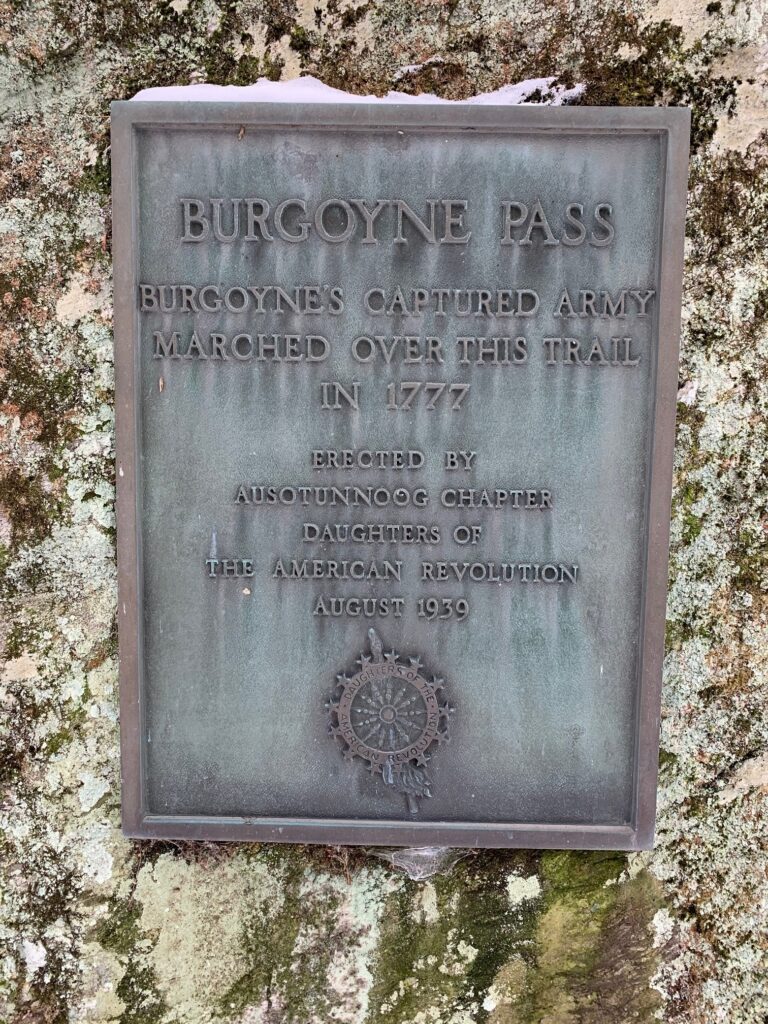
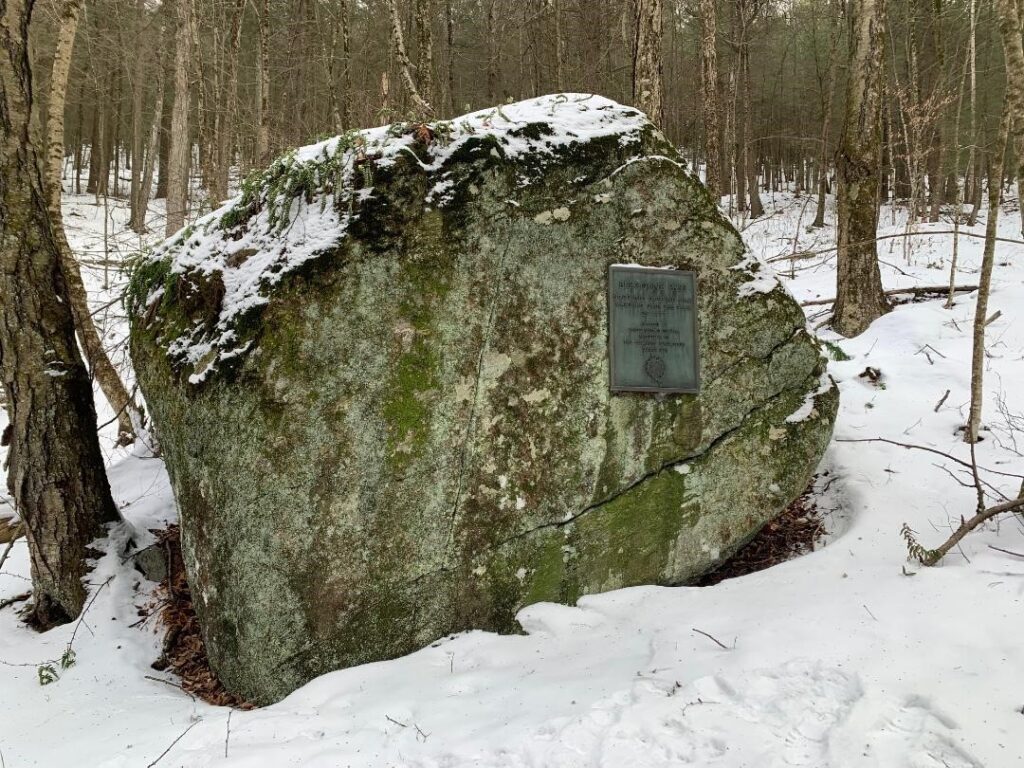
In 1926, on the 150th anniversary of the Henry Knox “canon” Trail, the states of New York and Massachusetts laid markers along the way. Stockbridge is not on it. Nope, Henry Knox, his troops and artillery, did not go through Stockbridge, but, do not despair, right in the heart of Stockbridge, we have the marker for the Burgoyne Pass. Never heard of it; read on…
John Burgoyne is best known for his role in the American Revolutionary War. Burgoyne designed an invasion scheme and was appointed a general in the British Army to command the troops that would put his plan into action.
Burgoyne’s plan was to move south from Canada. The British Army in New York would move north, join and strengthen Burgoyne’s army, and together they would conquer New England and isolate it from the rest of the colonies. Burgoyne believed that would quell the rebellion.
With 6,200 men, Burgoyne began his advance, but he moved too slowly. The Americans saw him coming and cut him off from the New York troops. Instead of coming to Burgoyne’s aid as planned, the British army in New York moved south and captured Philadelphia. Burgoyne was alone and vulnerable.
Burgoyne fought two battles near Saratoga, but was surrounded by American forces and, with no relief in sight, surrendered his entire army on October 17, 1777. Some historians mark his surrender as the turning point in the War. The French, watching America’s progress, were won over and joined them. France supplied the colonists since the spring of 1776 but joining the colonists on the field of battle was what America needed to win.
Rather than an outright unconditional surrender, Burgoyne had agreed to his men surrendering their weapons, returning to Europe, and pledging never to return to North America. Burgoyne was insistent even threatening to fighting his way back to Quebec if it was not agreed. It was but in Massachusetts it was resigned and the enlisted men became prisoners of war. Burgoyne and his officers returned to England, but he had one more march in front of him – from Albany to Boston through Stockbridge.
Back home in England, Burgoyne he was repudiated. Accused of sauntering” rather than marching southward – dreaming of victory rather than obtaining it. You know the saying about the arc of history bending toward justice? Well, historians have slowly shifted, or at east shared, the responsibility for the losses from Burgoyne to the Secretary of State for the Colonies who communicated widely but not well.
by Carole Owens with invaluable help from Jim Finnerty
Perspective
Our History – Old Town Hall
Rick Wilcox and Chris Marsden
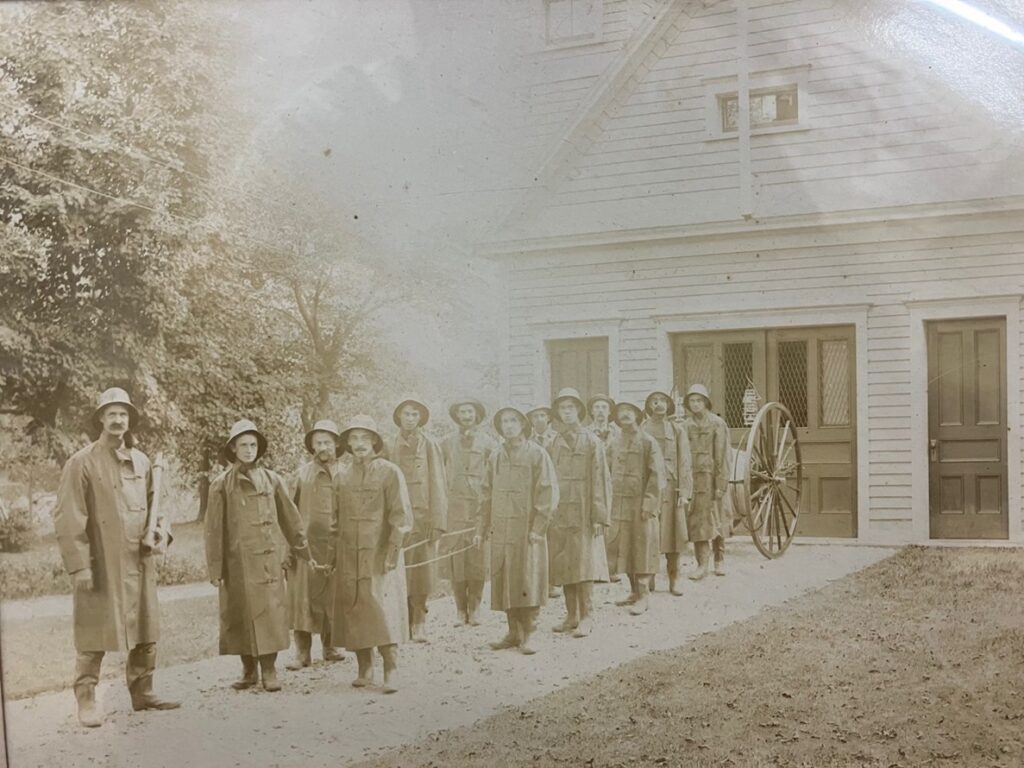
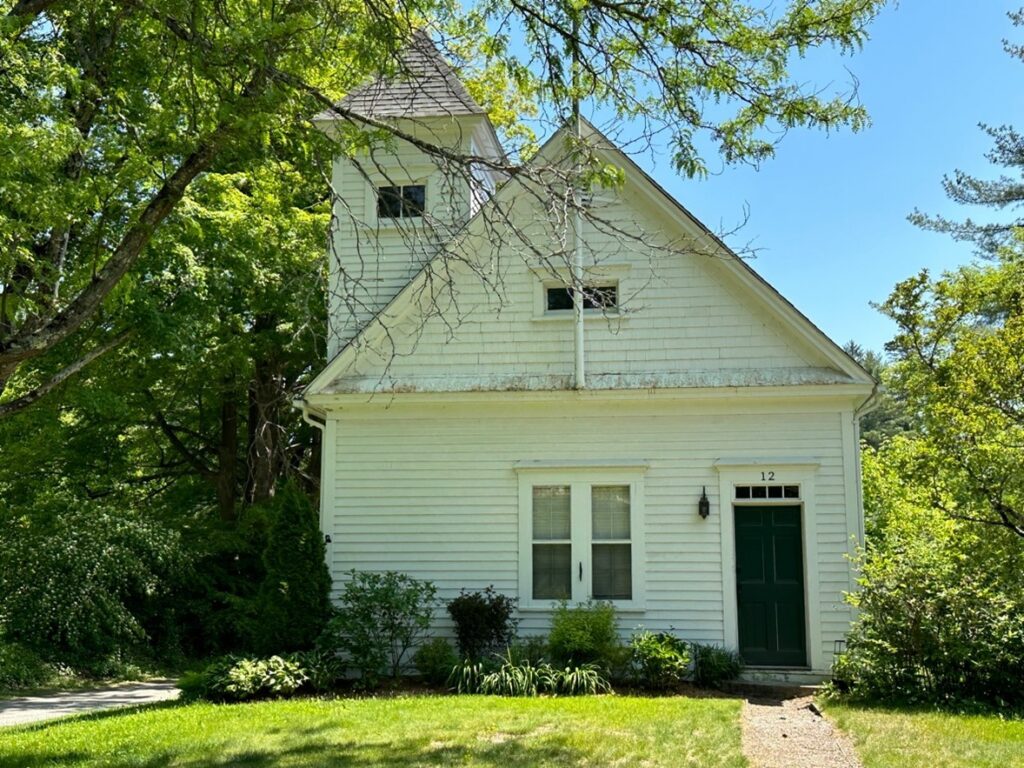
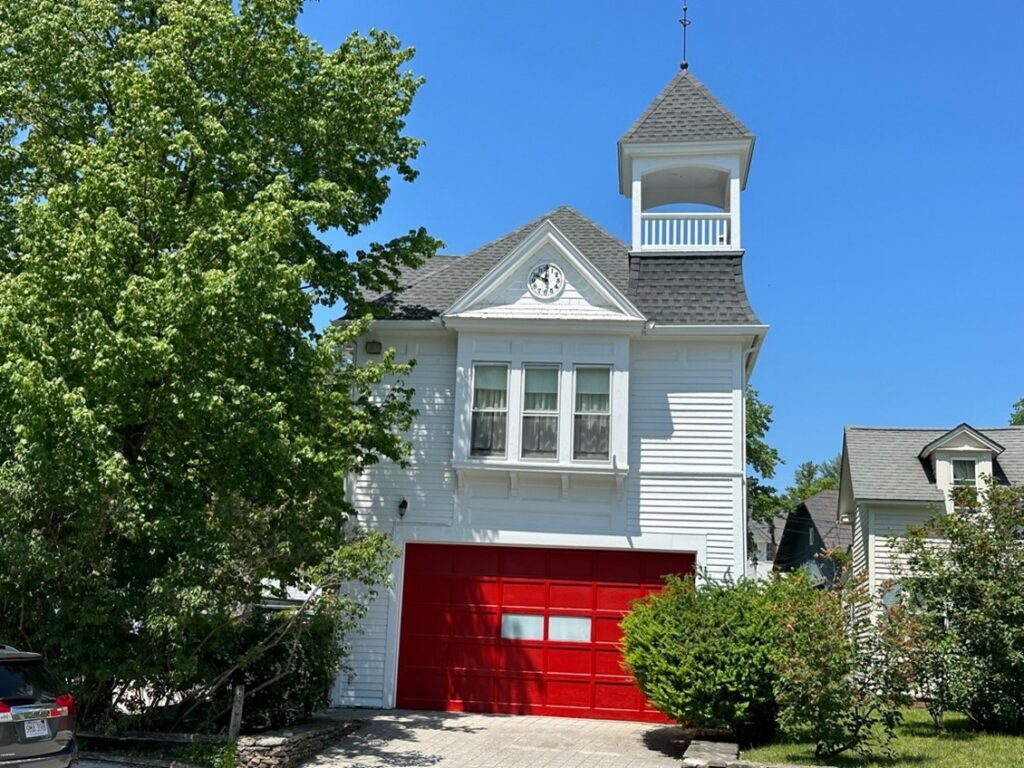
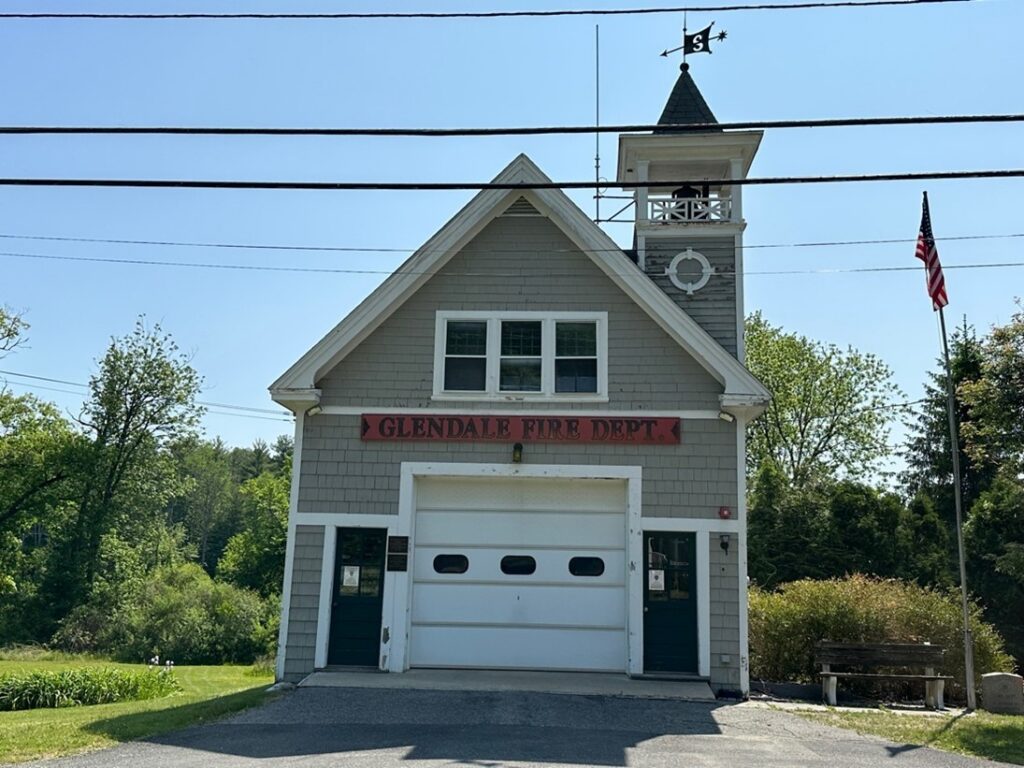
Hose Company #2 did dissolve in the early 1920’s. Chris Marsden suggested the timing would have been close to the organizing of the American Legion Post just after WWI. “Also, the first motorized apparatus was placed in Elm Street station in 1914 ( a Buick chemical truck purchased from Sissons Central Auto, West Street, Pittsfield). With motorization I assume the need for two fire stations so close was not necessary. town reports from the early 1900’s list Hose 1 and 2 under the title “the Plain Fire Dept.” and Glendale and Interlaken separately. One story I had heard about Hose 2 was they frequently beat hose 1 to calls because of their forward- thinking policy of allowing young boys and housewives to assist with pulling the hose carriage when help was needed.”
“Given the state of firefighting equipment available in 1902 it is amazing that the fire department was able to save the shell of the1839 Town House when a kerosene lamp exploded on June 30, 1902. Highly trained in the use of the available firefighting equipment and under the leadership of Frederick S. Aymar, the first Chief Engineer of the Stockbridge Fire Department, the firemen saved the building. The insurance company settlement suggests the whole interior of the building was consumed by fire. Insurance paid out for the fire damage was $108.00 for the loss of building contents and $968.88 for damage to the structure based on a policy with a stated building value of $3,000. For those people hardy enough to crawl in the attic in that part of the current Town Hall one can still see charred beams and roof trusses from the 1902 fire. Town records were saved not by firemen but by town voters, who in 1884 approved the construction of a new fireproof brick town office building at what is now 34 Main Street. The September 17, 1902 Special Town Meeting, Article Two included a requirement that the 1839 Town House be incorporated into the new Town Hall.”
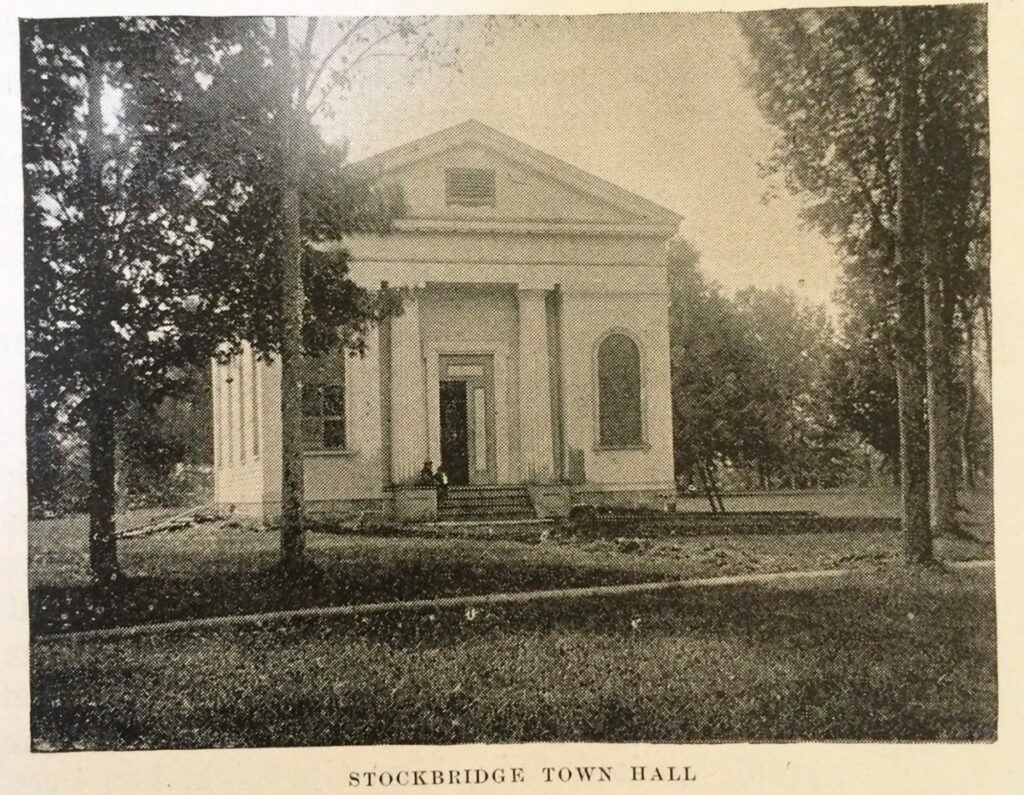
At the annual town meeting, April 3, 1848 it was “voted that 1839 Stockbridge Town House no meeting shall be held in the Town House which shall make it necessary to take seats out of doors.” Less than ten years after the Town House was built it was already too small for a growing community. During a Special Town Meeting held November 5, 1867 it was “Voted that the Selectmen be not allowed to rent the Town Hall for any other purpose than for religious or town purposes.” The April 3, 1874 Annual Town Meeting “Voted that the Selectmen reset, if necessary, all the old boundaries of the Town Square and see that the present boundaries are in the right place.”
Chris Marsden writes: “The “Pilling Brothers” were the carpenters. The brothers were George (my great-great grandfather), John (great grandfather to Barney and Izzie Pilling) and James. They were the sons of Benjamin Pilling and Hannah Rathbun, owner of the Red Lion Inn. The shop stood behind the Franz house, 7 Arts building etc. a portion of the concrete foundation is still there. I have only seen one photograph of the shop with a bunch of Pilling’s including my great grandfather as a small boy. The Pilling Bros. also constructed (from what I understand) the Williams Academy building, the Elm St. Firehouse, Hose Co. #2 house (Legion Hall) and the Glendale Firehouse. We have a large sled that is stenciled “Pilling Bros.” on the bottom and was used for hauling tools around town in the wintertime. George at least was in the Stockbridge Band, and was a founding member of Hose Co. No. 1.”
Chris: A couple years ago in the basement of Town Hall I found 1908 INSTRUCTIONS TO VOTERS from the Commonwealth. On the backside of it written in pencil, is
“this building built in (year crossed out) – 1903”
“J. L. Pilling”
“G. W. Pilling”
“Mch 24 – 1910”
The minutes of the November 16, 1898 Special Town Meeting state “voted that a committee be appointed by the chair to confer with the Committee of the Congregational Society in regard to an extension of the privilege of building to the south of the present Town Hall. Those minutes indicate the town had already decided to build a new Town Hall. However, the fire may have hastened the process. The September 17, 1902 Special Town Meeting, Article Two included a requirement that the 1839 Town House be incorporated into the new Town Hall. Given the fire damage to that building it suggests that the voters wanted it saved for historical reasons and not for its building value or to save money in the new building construction. For those people hardy enough to crawl in the attic in that part of the current Town Hall one can see charred beams and roof trusses from the 1902 fire.
At a meeting of the Congregational Society of Stockbridge, legally warned and held May 8, 1902, under Article one, George W. Cox was chosen Moderator and Paul S. Palmer was chosen Clerk Pro Tem. Under Article Two it was voted not to accept the offer of the Town for a perpetual lease of the land in the rear and to the west of the Town Hall for the sum of $2,000. It was voted under this Article to lease the land in the rear of the Town Hall, in addition to the lot now occupied by the Town for the purpose of a Town Hall, under the same conditions and restrictions under which the former lease was made, extending the West line as by the old lease, through to the rear lot. The price to be $2,000.00. It was voted that the Chair appoint a Committee of three to convey by lease the land above mentioned in the name of the Society and in accordance with the vote just passed. The Chair appointed Sidney P. Lincoln, Henry S. Dean and John B. Hull and the appointment was confirmed by the Society.
The lease recorded at the Middle District Registry of Deeds, 09-23-1902 said in part: Know all men by these presents that the Congregational Society of Stockbridge in consideration of the sum of Two Thousand dollars paid by the Town of Stockbridge, in its corporate capacity receipt whereof is hereby acknowledged does hereby demise and lease to the said Town the plot of land, where on the Town Hall now stands, being the Easterly portion of the Church green, with full right to enter upon the same and to pass and repass thereon to and from said Town Hall and bounded and described as follows: (The deed included a survey done by civil engineer, surveyor and selectman Charles A. Bidwell of Stockbridge gives metes and bounds that contain 621/1000 of an acre.) The Town shall have the right to remodel, enlarge or rebuild their Town Hall but on a line no further North than the Hall now stands, and the further right to make such use of said plot as is necessary for their Town Hall but not otherwise – In case this property shall cease to be used for a Town Hall it shall revert to said Society. In Witness whereof we the subscribers, a committee duly appointed and authorized hereunto set our hands and seals this twenty-fourth day of May A.D. 1902 Witness S.P. Lincoln, Henry S. Dean, John B. Hull
During a Special Town Meeting September 17, 1902 – Article 2: Your committee would report that the Congregational Society accepted the offer of $2,000 for a perpetual lease of the land now occupied by the Town together with the plot of land in the rear as authorized at the Special Town Meeting of said lease has been made, signed and accepted and is now in the hands of the Selectmen. Acting upon their convictions after the expression of opinion of those who examined the different plans, they have decided that the general features of the building proposed by Mr. H. E. Weeks of Pittsfield would best meet the needs of the Town and would recommend that he be employed to prepare the plans for a new Town Hall building. The proposed building to be of sufficient size to seat about 500 people on the ground floor or main auditorium. The present building to be utilized moving it to the rear facing to the east and preserving the present front.
The essential feature of the new building will be a stage, convenient for Town Meetings, school and election purposes. An auditorium large enough to comfortably seat the voters of the Town, and a room located over the vestibule and foyer that can be used as a gallery or separated from the main hall by movable partitions so to form a small hall that may be used independently for such occasions as may not require a large hall. From estimates received the committee feel assured that such a building can be built and equipped for $14,000. The necessary votes have been prepared and will be presented if it be the pleasure of the Town to provide funds for said building. Voted that the report be accepted and the committee continue.
Special Town Meeting – August 10, 1904 – Article 10: Your committee would report that the building has been completed in accordance with the plans that they selected, and which were approved by the Town. The delay in the completion of the building has been a matter of deep concern and regret to your committee, but we feel that the inconvenience and expense it has occasioned is fully repaid by the great excellence of the work done as well as the care and attention which Mr. Pilling has given to every detail of the construction.
It is hardly necessary to say anything in regard to the building, but your committee feel that they can rightly claim for Stockbridge the most convenient and attractive public hall in this part of the country. To make the hall complete in its equipment it is desirable that Window Shades be provided, plumbing installed, and Scenery purchased. It is also necessary to provide a fireproof curtain to conform to the State Laws. Committee: James H. Punderson, Frederick S. Aymar, William A. Nettleton. Voted that this report be accepted.
by Rick Wilcox and Chris Marsden
The Last Word
Reader to Reader
To the Editor:
The daily struggles of living in a world of duality. It seems we have an opportunity to polarize or harmonize based on emotions or science. You sparked a memory of mine from what seems like lifetimes ago when Swami Kripaluvanadaji was speaking to ashram residents, he spoke of the world of duality and how we are mired in a space of struggle and fleeting moments of happiness. He articulated it much better than I can remember. What I recall was he believed that there were only two kinds of always happy people in the world, the Enlightened Master or the Complete Fool. I suppose this can be called Purgatory. I admire the depth you write from, you wear the title Doctor well. Excuse my musings!
Moose (Kevin “Moose” Foran)
Carole:
Well done. You should teach a course on citizens’ role in government 101. This (SU) is a good starting point. Bring in Michael (Canales) at some point to talk. It should be called “How to build a strong local government in a time of change”
Having information about, and understanding of the roles, is important. For instance, the Finance Committee will begin their meetings soon. This is a chance to understand the budget process.
Christine Rasnussen
To the editor:
The world that White House adviser Stephen Miller is describing by recasting our world role in “who has the power” terms is the same three-state world that George Orwell wrote about in “1984.”There is a certain symmetry, too, in the current administration’s attitude toward truth.
Is anyone else among us fearing the arrival of artificial intelligence-generated videos showing the car actually being steered toward the ICE agent (as Donald Trump apparently insisted had happened in front of journalists after watching with them the video showing it to be a lie)?
Truth is going to be increasingly hard for us to come by in the face of what AI can generate as apparent reality.
In New York recently, I discovered the the Paley Center for Media on West 52nd Street between 6th and 5th. Admission, well worth the price, gives one unlimited access to archives full of recordings of CBS and other radio and TV events. I watched Edward R. Murrow’s “See It Now” broadcast about Sen. Joe McCarthy. It was totally scripted and full of tapes of McCarthy speaking (and Roy Cohn whispering in his ear).
It was chilling — McCarthy was only a senator.
I then watched the second part of the PBS “American Masters” show about Murrow. It began with accounts of a pre-broadcast weekend meeting with CBS executives to be sure they knew about the possible explosions the broadcast might cause and give them a chance to object.
That included a segment in which Fred Friendly, the show’s producer and for a long time a summer resident in the Berkshires, said he had asked whether anyone present had personal vulnerabilities McCarthy might be able to exploit in a counterattack.
One high executive responded that in the 1930s his wife had been a communist — not he and, soon after, no longer she. Morrow’s forceful response to this was to insist that the show would go forward, as the next day it did.
What a disgusting, alarming contrast lives in what has gone on at CBS recently.
Peter Strauss
Editor’s note: Peter requested that SU add this – “You could perhaps add as a comment of yours or reporting a conversation with me that this letter was written before the recent events in Minnesota [the death of Alex Pretti, Critical Care Nurse, Veteran’s Administration] and they have made me the more upset and pessimistic.”
Hi Carole,
I am trying to sign up for Stockbridge Updates, but the automatic system is not going through. If you can sign me up, that would be great and I would really appreciate it.
Best,
Leslie Beal
Leslie,
Thank you for reminding us all, that to sign up, avoid the sign up page, and email me at carole@stockbridgeupdates.com
We are working on the broken sign-up, but it is taking a minute
Thanks Carole
Carole:
I hope all is well and you will stay warm. As per usual, I enjoyed your commentary. 🙂 I took quasi-serious comfort in knowing The Berkshires has a history of self-government (and can do it again if necessary?)
Best to you.
Andy Weiss
Dear Carole,
As far as what’s planned for me this year:
I have an exciting project planned with Chesterwood called “Revolutionary Tea Pots” in honor of the anniversary of the signing or the Declaration of Independence. It will be juried by Lesley Ferrin a renown national ceramic gallerist and sponsored by Harneys Tea, we hope and will include local artists as well as national artists..
I will be curating a show in August at the Gallery on Main in West Stockbridge that will include 4 artists,2 from Miami, 1 NYC and the Berkshires called Here and There.
I hope to be in a group show in October at Chesterwood.
– In addition I have submitted work to the Guild of Berkshire Artists Show at the Botanical Garden in February/ March. That show is also a juried show.
Thank you for all you do for us.EEven Even
With best regards,
Anne Ferril
Editor’s note: Anne is Co-chair of the Stockbridge Cultural Council and an excellent potter – don’t miss seeing her work
To the many who asked how to Place an article on the Town Meeting Warrant Watching our Town government at work, it might appear that only the SB prepares the Town Warrant and places articles on it, but there is another way. Even before there was a USA, there were town meetings and there was the “Power of Ten.” An article may be included in the Annual Town Meeting Warrant by petition of ten or more registered voters (MGL c. 39 §10). The Select Board determines the deadline for submission of warrant articles for the Annual Town Meeting. It is usually on a date in April before a May Annual Meeting. Write the article (check wording with a lawyer), collect signatures (more that 10 so enough are certified) and submit to the Town Clerk to certify. She will pass to the SB. The Clerk or Town Counsel can reject it if not enough legal names or wording somehow improper, but the SB cannot turn it down

News
Special Events Celebrating Our 250th Anniversary
- The first 250th event countywide was the lecture in Sheffield, Sunday, January 18, 2026, “Women of the Revolution” by Carole Owens. The first 250th event in Stockbridge was Saturday, January 24, 2026, A Day in Revolutionary Stockbridge.
If you missed them both, watch this space – there will be more events throughout the year all over the county. (Owens will be at Arrowhead on June 24, and Ventfort Hall July 7 telling stories about the people and the politics of the Berkshires during the Revolution. Ollie will present special programs.)
- Despite the cold weather, the American Revolution program came to Stockbridge.
The Mission House wase set up as a tavern for the day; tea, hot chocolate, and baked goods available.
Dennis Picard discussed 18th century food and the challenges of provisioning the Continental army
At Proctor Hall, Bidwell staff discussed cooking and domestic material culture ell House Museum.
First Person Interpretation, 10:00 am-1:30 pm
Theodore Sedgwick preparing for the Elizabeth Freeman case (Library, Bement Room)
Anna Bingham and Abigail Dwight discussing 18th century tavern keeping and running a business as a woman (Red Lion Inn, small parlor)
Thomas Williams, highest ranking military officer from Stockbridge to die during the war, discussing the Siege of Boston and other military and local topics (various locales)
Timothy and Rhoda Edwards, storekeepers, Judge, Deacon, aunt and uncle of Aaron Burr (Mission House)
Members of the 2nd Massachusetts Regiment (various locales)
Noon – 2:00 pm
A demonstration of Knox’s Noble Train of Artillery featuring costumed educators from Fort Ticonderoga, including Henry Knox, and a non-iring reproduction cannon (Stockbridge Library)
2:00 – 3:00 pm
Stockbridge Committee of Safety court scenario (Library Lobby)
3:00-4:00 pm
Talk by Gregg Duffek and JoAnn Schedler, Mohican Veterans (Library, Bement Room)
Program in partnerships with the Trustees of Reservations, The Red Lion Inn, Bidwell House, and the Berkshire Historical Society; and support from the Massachusetts Cultural Council, Mass Humanities, Massachusetts Office of Travel & Tourism, and the Upper Housatonic Valley National Heritage Area.
There were two changes due to the cold. The oxen from Fort Ticonderoga and the sheep from Prado del Lana (along with wool-related activities) will no longer be happening. The program with the educators from Fort Ticonderoga will now be held indoors at the Stockbridge Library in the Bement Room. The rest of the day remains the same!
- Norman Rockwell Museum announces 2026
As the nation approaches its 250th anniversary, Norman Rockwell Museum will unveil an ambitious, multifaceted 2026 program of exhibitions, events, and creative workshops that invite visitors to explore — and imagine — America’s journey through art and visual storytelling.
“The year 2026 invites us to reflect on how our nation has evolved and to imagine the future we hope to build,” said Museum CEO and Director Laurie Norton Moffatt. “Spanning heroic historical painting and inventive comic-strip art, NRM’s exhibitions and programs will illuminate the shared human experience at the heart of American life, moving from the iconic to the innovative.”
In the year ahead, Norman Rockwell Museum asserts its role as a vital cultural hub—one that honors the past while embracing new forms of storytelling, from the grand sweep of history in American Stories: From Revolution to Rockwell, to witty, insightful imagination in Exploring Calvin and Hobbes. With accompanying workshops, talks, and guided tours, the season promises meaningful engagement for art lovers, families, history buffs, and curious creators alike.
“As we mark the 250th anniversary of the formation of our nation,” reflected Norton Moffatt, “we invite visitors not just to look back — but to take stock of the present and look ahead: at who we’ve been, who we are, and who we might become, through the storytelling lens of American illustration art.”
2026 marks an important moment in the history of the Norman Rockwell Museum, ushering in a year of transition with the announced retirement of longtime Director and CEO Laurie Norton Moffatt and the selection of a new leader by the Museum’s Board of Trustees.
American Stories: From Revolution to Rockwell
June 6 – October 26, 2026
Commemorating America’s 250th anniversary, the Norman Museum will present a sweeping, once-in-a-generation exhibition. Spanning more than two centuries of visual culture, American Stories brings together over 150 powerful works from the Revolutionary era through the modern day—including paintings, prints, book illustrations, posters, advertisements, and digital media—to trace how artists have reflected and shaped what it means to be American. Organized around a series of foundational chapters, the exhibition explores the evolving ideals, struggles, and aspirations that define the nation’s story. The exhibition will occupy nearly all of the Museum’s exhibition space. From early engravings by printers Paul Revere and Benjamin Franklin—created amid revolutionary fervor and rapid advances in print technology—to the rise of 19th-century visual journalism, 20th-century illustration, and today’s digitally driven image culture, the exhibition traces how artists have documented events, expressed ideals, influenced thought, and debated the meaning of America itself. Tackling the visual histories of both real and mythical American moments, this exhibition explores enduring questions about the land we inhabit, and whose stories are told, and shares visions of equality, industry, conflict, and hope. While much has changed over the course of this country’s history, on constant remains: the images Americans create and share reflect and shape a powerful portrait of the nation and ourselves.

Watch Now!
Stockbridge Updates Video Guest: Actor and Director James Warwick
Sign Up for
Stockbridge Updates
Local news provided free of charge.
Past Issues
-
VOL. VII NO. 15 09/01/2026
-
VOL. VII NO. 14 07/15/2026
-
VOL. VII NO. 13 07/01/2026
-
VOL. VII NO. 12 06/15/2026
-
VOL. VII NO. 11 06/01/2026
-
VOL. VII NO. 10 05/15/2026
-
VOL. VII NO. 09 05/01/2026
-
VOL. VII NO. 08 04/15/2026
-
VOL. VII NO. 07 04/01/2026
-
VOL. VII NO. 06 03/15/2026
-
VOL. VII NO. 05 03/15/2026
-
VOL. VII NO. 04 03/01/2026
-
VOL. VII NO. 03 02/15/2026
-
VOL. VII NO. 02 01/15/2026
-
VOL. VII NO. 01 01/01/2026
-
VOL. VI NO. 22 10/15/2025
-
VOL. VI NO. 21 10/01/2025
-
VOL. VI NO. 20 09/21/2025
-
VOL. VI NO. 19 09/15/2025
-
VOL. VI NO. 18 09/01/2025
-
VOL. VI NO. 16 08/15/2025
-
VOL. VI NO. 15 08/01/2025
-
VOL. VI NO. 14 07/21/2025
-
VOL. VI NO. 13 07/15/2025
-
VOL. VI NO. 12 07/01/2025
-
VOL. VI NO. 11 06/15/2025
-
VOL. VI NO. 10 06/01/2025
-
VOL. VI NO. 09 05/15/2025
-
VOL. VI NO. 08 05/01/2025
-
VOL. VI NO. 07 04/01/2025
-
VOL. VI NO. 06 04/15/2025
-
VOL. VI NO. 05 03/15/2025
-
VOL. VI NO. 04 03/01/2025
-
VOL. VI NO. 03 02/15/2025
-
VOL. VI NO. 02 02/01/2025
-
VOL. VI NO. 01 01/15/2025
-
VOL. V NO. 22 11/15/2024
-
VOL. V NO. 21 11/01/2024
-
VOL. V NO. 20 10/15/2024
-
VOL. V NO. 19 10/01/2024
-
VOL. V NO. 18 09/15/2024
-
VOL. V NO. 17 09/01/2024
-
VOL. V NO. 16 08/15/2024
-
VOL. V NO. 15 08/01/2024
-
VOL. V NO. 14 07/15/2024
-
VOL. V NO. 13 07/01/2024
-
VOL. V NO. 12 06/15/2024
-
VOL. V NO. 11 06/01/2024
-
VOL. V NO. 10 05/15/2024
-
VOL. V NO. 09 05/01/2024
-
VOL. V NO. 08 04/15/2024
-
VOL. V NO. 07 04/01/2024
-
VOL. V NO. 06 03/15/2024
-
VOL. V NO. 05 03/01/2024
-
VOL. V NO. 04 02/15/2024
-
VOL. V NO. 03 02/01/2024
-
VOL. V NO. 02 01/15/2024
-
VOL. V NO. 01 01/01/2024
-
VOL. IV NO. 28 12/15/2023
-
VOL. IV NO. 27 12/01/2023
-
VOL. IV NO. 26 11/15/2023
-
VOL. IV NO. 25 11/01/2023
-
VOL. IV NO. 24 10/22/2023
-
VOL. IV NO. 23 10/15/2023
-
VOL. IV NO. 22 10/01/2023
-
VOL. IV NO. 21 09/22/2023
-
VOL. IV NO. 20 09/15/2023
-
VOL. IV NO. 19 09/08/2023
-
VOL. IV NO. 18 09/01/2023
-
VOL. IV NO. 17 08/22/2023
-
VOL. IV NO. 16 08/15/2023
-
VOL. IV NO. 15 08/01/2023
-
VOL. IV NO. 14 07/15/2023
-
VOL. IV NO. 13 07/01/2023
-
VOL. IV NO. 12 06/15/2023
-
VOL. IV NO. 11 06/01/2023
-
VOL. IV NO. 10 05/15/2023
-
VOL. IV NO. 09 05/01/2023
-
VOL. IV NO. 08 04/15/2023
-
VOL. IV NO. 07 04/01/2023
-
VOL. IV NO. 06 03/15/2023
-
VOL. IV NO. 05 03/11/2023
-
VOL. IV NO. 04 02/15/2023
-
VOL. IV NO. 03 02/01/2023
-
VOL. IV NO. 02 01/15/2023
-
VOL. IV NO. 01 01/01/2023
-
VOL. III NO. 24 12/15/2022
-
VOL. III NO. 23 12/01/2022
-
VOL. III NO. 22 11/15/2022
-
VOL. III NO. 21 11/01/2022
-
VOL. III NO. 20 10/15/2022
-
VOL. III NO. 19 10/01/2022
-
VOL. III NO. 18 09/15/2022
-
VOL. III NO. 17 09/01/2022
-
VOL. III NO. 16 08/15/2022
-
VOL. III NO. 15 08/01/2022
-
VOL. III NO. 14 07/15/2022
-
VOL. III NO. 13 07/01/2022
-
VOL. III NO. 12 06/15/2022
-
VOL. III NO. 11 06/01/2022
-
VOL. III NO. 10 05/15/2022
-
VOL. III NO. 09 05/01/2022
-
VOL. III NO. 08 04/15/2022
-
VOL. III NO. 07 04/01/2022
-
VOL. III NO. 06 03/15/2022
-
VOL. III NO. 05 03/01/2022
-
VOL. III NO. 04 02/15/2022
-
VOL. III NO. 03 02/01/2022
-
VOL. III NO. 02 01/15/2022
-
VOL. III NO. 01 01/01/2022
-
VOL. II NO. 24 12/15/2021
-
VOL. II NO. 23 12/01/2021
-
VOL. II NO. 22 11/15/2021
-
VOL. II NO. 21 11/01/2021
-
VOL. II NO. 20 10/15/2021
-
VOL. II NO. 19 10/01/2021
-
VOL. II NO. 18 09/15/2021
-
VOL. II NO. 17 09/01/2021
-
VOL. II NO. 16 08/15/2021
-
VOL. II NO. 15 08/01/2021
-
VOL. II NO. 14 07/15/2021
-
VOL. II NO. 13 07/01/2021
-
VOL. II NO. 12 06/15/2021
-
VOL. II NO. 11 06/01/2021
-
VOL. II NO. 10 05/15/2021
-
VOL. II NO. 09 05/01/2021
-
VOL. II NO. 08 04/15/2021
-
VOL. II NO. 07 04/01/2021
-
VOL. II NO. 06 03/15/2021
-
VOL. II NO. 05 03/01/2021
-
VOL. II NO. 04 02/15/2021
-
VOL. II NO. 03 02/01/2021
-
VOL. II NO. 02 01/15/2021
-
VOL. II NO. 01 01/01/2021
-
VOL. I NO. 10 12/15/2020
-
VOL. I NO. 09 12/01/2020
-
VOL. I NO. 08 11/13/2020
-
VOL. I NO. 07 11/01/2020
-
VOL. I NO. 06 10/18/2020
-
VOL. I NO. 05 10/01/2020
-
VOL. I NO. 04 09/15/2020
-
VOL. I NO. 03 09/01/2020
-
VOL. I NO. 02 08/18/2020
-
VOL. I NO. 01 08/06/2020