

Now we are seven and all systems are go. Click http://www.stockbridgeupdates.com and in upper right corner, subscribe or leave us a comment. Find our complete archive from the first issue in August 2020 through April 15, 2026. Search an old article, read or reread them, and of course, take another look at all those fabulous photographs. if you would like to support Stockbridge Updates, go to VENMO @carole-owens-6 (no caps) or mail a check to P. O. Box 1072, Stockbridge, MA. 01262. If you like this issue, pass it on.
IN THIS ISSUE: VOL. IV NO. 14 07/15/2023
by Darrell Fennelly
by Jan Ackerman
by Joshua David Hall
by Matt Mandell
Perspective
Bookend: Ordinary People of Stockbridge and Commonplace Doings
It was her only criminal act. On a summer day, as early as 1935 or as late as 1939, she stole an apple. She took it from the fruit and vegetable stand in front of Elm Street Market. In the act of savoring her loot, her mother came out of the store.
The child stuffed the last morsel into her mouth, shoved the apple core behind her back, and announced, “All gone.”
Evidence destroyed; no action was taken. Now on the occasion of her 90th birthday, she is safe — the statute of limitations expired.
It is one of many stories about Elm Street market. Built circa 1930, it served Stockbridge for almost a century. There is not a resident of Stockbridge, now or then, who did not pass through its doors.
For much of its life Elm Street was both market and lunch counter. A clever young woman started a slim local newspaper. She wrote it up and left free copies on the Elm Street market lunch counter. Therefore, she called it, Counter Culture.
Midge Shanahan made breakfast and lunch for the folks who stopped by and serenaded them into the bargain. Midge loved people, loved to sing, and most of all, loved to sing to people.
Back in the day, when that fruit and vegetable stand was in front of Elm Street market, Stockbridge was a bustling town. Around the corner there was a variety store. The owners, Dave and Ann Brahman, lived above the store. There was a second grocery store owned by Mr. Estes and then Mr. Galicia.
Under Mr. Estes management another little girl was so taken by a colorful package of chewing gum that she could not resist. When her mother discovered she had taken it, she marched the child back down Main Street to return the pilfered item and apologize.
When Michael and Judy Abdalla ran it, the market took orders on the phone, prepared them and delivered groceries twice daily.
Shortly after her order was delivered, Ida Flynn of Shamrock Street (yes, Mary Flynn’s mother) called and said, “Michael darling, you charged me a penny more for a box of rice than what I can get it for at Galicia’s.”
Don’t be fooled by the darling — all were “darling” to the Flynn women. Ida wanted a penny credit, or she would shop around the corner. A local householder, taking no nonsense, Ida got her penny. On the other hand…
They said the variety store on Main Street carried everything from a needle to a nail. One day a visitor from the city came in, selected an item, and brought it to the counter. When the owner rang it up, she was outraged.
“I can get this cheaper in the city.”
The owner snatched back the item and said, “Then skiddy you back down to the city and buy it there.”
“But I am here, and I need it,” wailed the customer.
“Ah-ha!” said the store owner and held his ground.
Poor Michael Abdalla was yelled at by the best of them. He pacified Ida, and not long afterward, in marched Margaret (Peggy) French Cresson. She was under the misapprehension that Michael was planning to cut down the Elm tree near the front door of the market. Elm trees on Elm Street were sacrosanct. She proceeded to give him what the Flynn women would have called “Hail Columbia.”
Luckily there was no such plan. As soon as he could get a word in edgewise, Michael reassured her, and Peggy simmered down.
Located on just two shopping streets, the village was replete with pharmacy, liquor store, a bar (no food) called the Stockbridge Inn (no bedrooms), and the mandatory town drunk. No local paid in the shops or market, they took their purchases and received a bill once a month. It made it easier when and if stores had two prices — one for townies and one for outlanders. (Not sayin’ they did).
The first post office was on Main behind the “post office tree”. Town folks collected their mail inside, and outside on the tree, posted and read messages. At one time in history or another, the minutes from the Select Board meetings, the town warrant, and a signed declaration that a man would no longer pay his wife’s debts were posted on that tree.
The post office moved from Main Street to Elm Street, from the north side of Elm Street to the south side. At one time, the post office was in the Mercantile Building on Elm with the telephone company on the second floor — a communication hub.
There was Tony’s Barber Shop, Coakley’s news stand, and A.J. Salvador’s repair shop. There was a ladies’ dress shop “with such lovely clothes that no Stockbridge woman had to go to Pittsfield to shop”.
Old Tom Carey came up the back-alley in horse and buggy to buy his necessaries on Elm Street before he went off to taxi people. The market had a liquor license and displayed a few bottles on the back wall by the meat counter. Carey hit the back wall so often that it practically constituted a daily ritual. Carey’s buggy hit the market wall, the bottles shook, clanged, employees ran to catch whatever fell, but no bottle ever did.
With less drama, early every morning, Miss Rosamond Sherwood sent her man. He was to be there in time to cut the tie on the day’s newspapers and select the ones Miss Sherwood read. The ritual was meant to assure Miss Sherwood had “fresh papers”. There was a story that other Cottagers had the newspaper ironed before it was placed on the breakfast table. That one may be apocryphal; this one was witnessed.
From the same liquor shelf, one man selected the cheapest vodka for his parties. He explained, he kept empty bottles of the good stuff which he drank. Before a party, he poured the cheap stuff into the good bottles for his guests.
Joseph Franz built his house on Elm Street — where the family still lives today — and the Mercantile Building in 1914. Later Franz built the market. Judy and Michael Abdulla leased the store for 21 years from 1959 — 1980. Then Jim and Midge Shanahan ran the store, then it was purchased by the Red Lion Inn, then Raj Verma, and in 2020, Chris Greendale.
The Abdalla’s moved a large house that stood across Elm Street from the market. On the site they built the only area in Stockbridge that could be called a shopping center. Today it holds the post office, bank, dentist, liquor store, and Michael’s Restaurant.
On the day Michael and Judy Abdalla moved the house, people stood in front of the market watching (see photo). Around the corner the children were let out of school to watch as the house rolled by. Everything about the day was quintessential Stockbridge. They saved the house (waste not/want not). They made an event out of an integral happening. They made memories for the children by including them “in the doings”.

Perspective
Dateline: Lee
New Feature!!!
Editor’s note: In the nineteenth century every Berkshire newspaper was anchored locally — the Pittsfield Sun, The Stockbridge Evening Star, the Great Barrington Currier, the Valley Gleaner (Lee) and more — but in their pages, each had columns for other towns. If your town has a story to tell, a problem or a solution to share, let us know. So feel free to send SU your news periodically, and we will run a Dateline: Sheffield, Dateline Monterey, Dateline: Lee etc.
Dateline: Lee
Good evening, Town of Lee,
GE has not shared its presentation regarding proposed transportation routes. It has, however, shared slightly revised versions of the figures presented during the June 27/28 meetings with the municipalities (see attached). Based on those discussions GE made two changes:
For material removed on the west side of Reach 5A, they added the option of crossing the River on New Lenox Road, and then continuing down Woodland Road to the UDF.
They also added an option for material removed from Reach 5A to travel out of state for disposal by traveling to Route 20 and heading west to Route 90.
In the attached, EPA also provides a cover page providing some additional information as discussed during the meetings. We will provide this on our webpage for public access.
As was emphasized at the meetings, GE is in the very early phase of investigating potential transportation routes, therefore any additional feedback from municipalities at this time would be extremely helpful. Please provide feedback, comments, and questions to EPA and we will forward along to GE. If it is helpful to have additional meetings to discuss potential transportation routes, please let us know. There will be additional opportunities for municipalities and the public to provide input after GE submits its more detailed plan in October.
Sincerely, Ashlin Brooks
Editor’s note: Brooks is the Community Involvement Coordinator, U.S. EPA — New England, Region 1. Click here to review the maps of transport routes.
Editorial
Editorial: Bookend — Famous People of Stockbridge
For a remote village whose population never rose above 2500 — even as the population of the country rose exponentially from 3 million to 300 million — Stockbridge sure attracted many exceptional people.
Standing on Main Street in the eighteenth century, there was the house of Timothy Edwards. After smallpox wiped out his family, Timothy raised his nephew, Aaron Burr. Timothy’s house (and store) was just down the street from the house of his father — the great theologian Jonathan Edwards. Across the street was the outstanding lawyer and friend of George Washington, Theodore Sedgwick. Both men had exceptional daughters — Esther Edwards married Aaron Burr Sr., and Catherine Sedgwick was an internationally known author.
Timothy’s house was sold to Barnabus Bidwell, Attorney General of Massachusetts and Thomas Jefferson’s righthand man. Just turn your head and there was the home of the Fabulous Fields — David Dudley, codifier of the NY Criminal Code, brother Cyrus W, the man who laid the transatlantic cable, and Stephen, named to the Supreme Court by Abraham Lincoln. Stephen was one of three Supreme Court Justices raised and educated in Stockbridge.
There’s more. Step into the next century and find members of FDR’s Brain Trust and members of America’s richest families — old money, new money, and the New Deal rubbed shoulders on Stockbridge Main Street. Up on the Hill and down along Main Street are the homes of those who transformed America — changed it from agricultural America into manufacturing America and ushered in the twentieth century.
In that century, Erik Erikson and Norman Rockwell, the definer of psychosocial development and the illustrator of a kind of psychosocial perfection, lived across the street from one another. Just down the street, Katherine Hepburn launched her career. In town, lived Marge Champion from the silver screen and Maureen Stapleton from the Great White Way.
They were talking about the famous, interesting people who once lived in Stockbridge when they realized … they still do. Right now, our population includes people significant in industry — credit, cosmetics, and food — people significant in medicine, government, and the press. And actors? Next door is “Mr. Big” — what tops that?
If Stockbridge was and is exceptional, it is her people who made it so. This issue has bookends — it starts and ends with the people of Stockbridge — the prominent and the salt of the earth.

News
Events
1. Organized Escape: Psychoanalysts in Exile
If you find yourself in the Berkshires this summer . . . come see a collaboration between the Erikson Institute of the Austen Riggs Center and the Sigmund Freud Museum, Vienna—this exhibit tells the story of the efforts of the worldwide psychoanalytic community to save the lives of psychoanalysts in German-occupied Austria and their post-war reunion in Stockbridge in 1950.
Where: Corner House Community Exhibition Space at 48 Main Street, Stockbridge, MA
When: Thursdays-Saturdays, 10am-4pm (Eastern) or by appointment, through October 16, 2023
More information: www.austenriggs.org/Freud-Riggs
2. Stockbridge Library
Author Talk with Chris Grabenstein at Lenox Town Hall Auditorium
Saturday, July 15 @ 10:30 am — 12:00 pm
Cardboard Tube Space Shuttle Craft
Wednesday, July 19 @ 3:00 pm — 4:00 pm
3rd Annual Community Dog Show
Saturday, July 22 @ 10:00 am — 1:00 pm
Milk Jug Fairy Home Craft
Wednesday, July 26 @ 2:30 pm — 3:30 pm
3. Senior Center
Tuesdays and Thursdays 10 am “Walking with Chris” (Gym — Town Offices)
Mondays and Wednesdays Chair Yoga 4-5pm (Gym — Town offices)
July 19 — Lunch and Speaker Maria Carr, “Marking Stockbridge’s Past” 11am
4. Chesterwood
Saturday, July 22 at 5:00 p.m. Close Encounters with Music’s educational initiative, the Berkshire High Peaks Festival for Outstanding Young Musicians, with a program including Mozart (String Duo No. 1 for Violin and Viola in G Major, KV 423), J. S. Bach (Suite No. 3 in C Major), Paganini (Caprice No. 13 “Devil’s Chuckle”) and Barriere (Sonata in G Major), followed by a reception. Tickets $25 per person ($20 for Chesterwood Members) and free to all under 18.
Thursday, July 27 at 4:00 p.m. and 6:00 p.m. — Spirits of Chesterwood, an intergenerational dance project created by 6 local choreographers in the Berkshire Pulse community. The 6:00 p.m. performance will be followed by a reception. Tickets $25 per person ($20 for Chesterwood Members) and free to all under 18.
Saturday, July 29 at 4:30 p.m. — Artist’s Talk with West African sculptor Georges Adéagbo about his site-specific installation at Chesterwood (tickets include the music performance by Heard at 5:30 p.m.) followed by a reception. Tickets $25 per person ($20 for Chesterwood Members) and free to all under 18
Saturday, July 29 at 5:30 p.m. — Heard, an acclaimed collective of musicians that bring their skills and passion for world music, jazz and improvising together to create irresistible grooves set in a unique sonic tapestry, followed by a reception. Tickets $25 per person ($20 for Chesterwood Members) and free to all under 18. Tickets at www.chesterwood.org/artsalive

Perspective
From the Desk of the Stockbridge Police Chief —
Truck Traffic
The question posed is if there is more large truck traffic on Main Street. My perception is yes. Although there seems to be more traffic in general. It seems that as we come out of the Covid slumber more people are coming here than ever before, so there does seem to be a lot more traffic than what we became accustomed to during Covid. In regards to large truck traffic, there are a number of road projects under way in South County that may account for the uptick in large trucks traveling through Stockbridge. Namely the reclamation and paving of Rt. 7 in Gt. Barrington. While this is not unusual for our summer season, the more traffic in general, the slower things move through town, therefore the time it takes for the large trucks to move through is longer, so the perception may be that there is just more of it. With that being said, your guess is as good as mine, but there certainly appears to be more large truck traffic.
Public Safety
The police department are tasked with protecting public health and safety and to identifying resources for those struggling with mental health, substance use disorders, and t assist social service agencies to provide direct and indirect services to our community at large. With these goals in mind, we have come to realize a cooperative Mental Health Co-Responder program helps us meet those requirements, enhance our capabilities, and provide essential additional services to our communities. Through this shared program, the Tri-Town Board of Health, Lee, Lenox and Stockbridge Police Departments have formed a unified partnership to provide our citizens shared access to a certified mental health clinician and substance use disorder counselor.
The Mental health Co-Responder Program is designed to increase earlier identification and intervention for citizens with mental illness who have contact with law enforcement. The goal is to decrease the likelihood that those individuals will be arrested and enter into the criminal justice system because of behaviors related to their mental illness. This program also provides an opportunity to assist citizens of our community who are in a crisis situation and help them get access to the treatment and resources that can have a positive impact on their life. These goals are accomplished by having a licensed mental health professional, in addition to the officers, respond to law enforcement calls for service that involve citizens with mental illness or substance use disorders.
The mental health co-responder is typically asked to respond to a location at the request of the law enforcement officers, once the scene is stable. A clinical assessment is made to determine the extent to which the citizen is a risk to themselves or others. A decision is then made about the type of intervention that would be most beneficial to the citizen to help them remain safe or regain a level of stability to be able to function appropriately in society. In the days and weeks following the call for service, the mental health co-responder continues to follow up with those individuals to make sure the intervention advice was utilized and/or helpful. This early intervention can decrease the number of repeated calls for service involving that individual. The mental health co-responder is able to assess the citizen in the field or at the Police Department and keep from tying up ambulance and ER time and services.
If anyone would like to utilize this service, please contact the Stockbridge Police Department at 413-298-4179 or our Co-Responder, Ivy Goodwin, at 413-717-7200 or email her at ivy@tritownhealth.org

by Darrell Fennelly
News
Key Take Aways from Affordable Housing Trust (AHT), July 10
This meeting was a work session preparing for the presentation in Town Hall on July 17. As part of the Housing Production Plan, there is a needs assessment, a prioritizing of needs, and an action plan.
Assessment — statistics as of 2021 — vary slightly but in general, Stockbridge has 1638 houses divided about 50/50 full–time and parttime. Many begin as part-time residents and become full-time residents. Stockbridge has added 40 houses since 2010. The median price of homes in Stockbridge is $575,000.
2021 was an exceptional year both in the number of transfers (sales) and the spike in prices — rising to a median house price of $715,000. Perhaps this was an caused by a “flight to safety” during COVID.
In either case, a house price of $575,000 or $715,000, requires an estimated income of $148,000/annually (only 15% of Americans make that).
More stats: Stockbridge has the 10% affordable housing required by the Commonwealth.
Only 13 of approx. 100 school employees (including teachers) and 7 of approx. 40 Town employees live in Town.
What does that say about local needs?
Need more housing for age range 30-50 years that folks can afford.
Need more housing for seniors.
Need more rentals? Currently most rentals are short term rentals (STR) as they bring in more income
Offer incentives for Town and school workers to live in Stockbridge?
Build Habitat for Humanity houses as they did in Great Barrington?
Jan Ackerman asked — why expand affordable housing — perhaps expand workforce housing?
The discussion will continue with the public on July 19.

News
Key Take Aways from Board of Assessors, July 3, 2023
All real estate tax exemptions, reimbursements, and all auto exemptions, have been approved.
New member of the Board, Brandi Page, has to be certified by taking and passing the Assessor’s course — now available online.
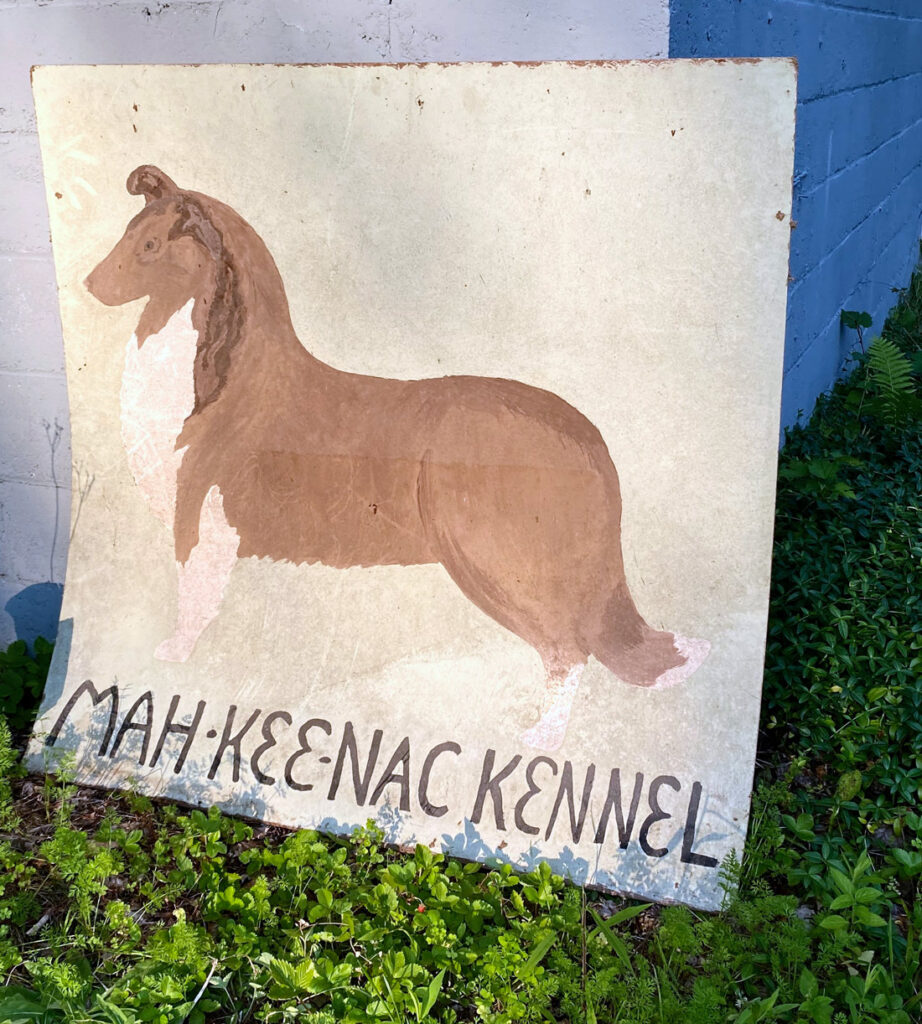
Camp Mahkeenac, Joseph Newberg, and T-Laken LLC have appealed their tax bill to the Appellate Court within 90 days of receipt of tax bill. The Town will answer the appeal once the hearing date is set.

News
Key Take Aways from Conservation Commission July 11, 2023
ConCom is diligently trying to complete the Performance Standards — to help everyone understand the requirements when we build, plant, or even clear land in certain areas.
With the help of Consultant David Cameron, ConCom is pressing enforcement of the safe removal of railway ties that were left along the tracks close to the river. Augmented with maps and photographs, an enforcement letter will be sent to the railroad.
There is culvert repair required all over Town.
The golf course is underwater from the heavy and persistent rains.
News
Key Take Aways from Stockbridge Board of Health, July 6, 2023
The “Opioid Settlement” is complete. The Commonwealth received the money and will allot it to the municipalities. Some towns in Berkshire County will receive a large amount while others very small amounts. On behalf of Tri-Town Health, Jim Wilusz suggested the three towns pool their money for greater impact. Further he suggested that they turn the money over to Rural Recovery located in Great Barrington and serving all of South County — specializing in opioid addiction. The Board of Health moved and passed a motion to turn money over to Rural Recovery.
They also suggested the expenditure of the money be audited — with annual reports. Dr.
Lefferton complimented the new ride-along program where police answering mental health, drug-related and/or domestic violence calls take a mental health specialist with them.
The Board discussed who carries Naloxone — Narcon — a life-saving drug administered after ingestion of a narcotic overdose. However, police do not like to carry it, EMPs do and schools have it but not all who might need it do carry it.
Finally, the Board voted on an expenditure for a Spector Photometer and a course in how to use it. This will allow the Town in partnership with Tri-Town Health to immediately determine if a cyanobacterial bloom is toxic. Right now, out of an abundance of caution, the Town closes the beach immediately upon observation — sends for testing — only reopens days later when toxicity determined or discounted. This will allow us to know immediately if NOT toxic. Only send away to Commonwealth if toxic and then follow safety protocol. Moved and passed unanimously.

News
Key take Aways from the Select Board meeting, July 13, 2023
Our Town Administrator is moving staff around for greater efficiency and Select Board member White asked that the SB be consulted before Canales does it.
Harvey Waller, President of the Colonial Carriage and Driving Society, announced two events in 2023′ There will be horse-drawn carriages through Town on Columbus Day weekend October 6,7, and 8. Times will be posted.
The 24th annual Horse Show will be at Orleton Farm Stockbridge –Au8gst 10, 11 and 12 — open to public.
SB Chair Cardillo opposed a separate Second Homeowner Advisory Group and encouraged second homeowners to contact the Town with concerns and sign up for openings on committees, boards, and commissions. Thus they are integrated into the Town not separated. Minacci supported Cardillo. In public comment, Josh Peyron objected to having too many committees and also to what he saw as second homeowners stepping in to defeat programs (like the Residential Tax Exemption) meant to help primary homeowners. Others spoke and did not seem to support the idea.
The vote was 2-1 — the idea of a second homeowner advisory board was defeated.
The trees treated in Ice Glen: the ash trees seem to be doing well — the hemlock seem to need more attention.
Finally the Housatonic Water Works, serving 24 Stockbridge residents, is proposing to raise their rates 120% in order to make the required improvements. Great Barrington and Stockbridge have the right to appoint an intervener to determine if the rate is fair and only covers the cost of repairs. GB appointed their Town Counsel and Stockbridge will appoint Patrick White — voted and approved
Editor’s note: During public comment, Patty Caya suggested that the Town advertise committee, commission, and board openings on her Internet group. Her Internet group is closed — not everyone is welcome, and even sharing comments posted by members with nonmembers is frowned upon.
The Commonwealth requires “a notice or announcement be made in a public medium or multiple mediums, publicizing board, committee, commission or council vacancies and seeking applications for the opening(s)… Methods used must meet at least that minimum criterion.”

The Last Word
Reader to Reader
To the Editor,
In the last issue of Stockbridge Updates, Patrick White suggested a second homeowners’ advisory board. We are all in Stockbridge together, but we have very different reasons for being in Stockbridge, different needs, different interests, and we play different parts. Historically Stockbridge always benefitted from observing and respecting the differences.
Blurring the differences backfired last year and will again. We bring different things to the table in different ways. When we respect the different roles and don’t try to make everyone alike or have everyone doing the same jobs, Stockbridge thrives — it always did.
Very Sincerely, John Hart
Thank you Carole Owens,
Your publication, Stockbridge Updates, revised this year in a better and more readable way, surely helped make the difference. The towns’ peeps are engaged, and their voices are heard through Stockbridge Updates as well as in all the public committee meeting reports. It is a treat to see “democracy” thriving right here!
Ramelle Pulitzer
Hi Carole,
Apologies if you’ve already explored this topic on previous posts, but I’m curious to know your thoughts about what I perceive to be the increase in large truck traffic on Main Street. It’s probably nothing new, but I wanted to get your take on it.
Thanks very much,
Haas Regen
Dear Hans,
I agree, it seems to have increased. I will ask our Police Chief — see his response in this issue. Thanks for writing, Carole
A Conversation about our history…
Carole Owens to Richard Koplin
In 1901, President William McKinley was shot in Buffalo, New York. In an effort to save his life, the President’s men called renowned pathologist Francis Delafield (1841 — 1915). Delafield suggested they use a new machine — the X-ray — to locate the bullet. The President’s other doctors declined to use it. They considered it too new, experimental, and potentially dangerous. McKinley died. Could the X-ray have saved McKinley’s life? Modern physicians can only guess but they wish it had been tried.
Delafield returned to New York to his practice, his books, and the bosom of his family. He was married to Katherine Van Rensselaer, and together they had three daughters Elizabeth, Julia, and Cornelia, and one son Edward.
In 1884 Elizabeth purchased a farm on East Street and was welcomed into the Lenox community. After all the Van Rensselaers were considered high society, and the Delafields were descendants from French nobility. John De La Feld came from France to England with William the Conqueror in 1066 earning himself a British title and land in Oxfordshire. Such old and noble antecedents earned Elizabeth pride of place in the Gilded Age colony.
In the first 100 years, owners the farm were from more humble stock. James Guthrie was the first purchaser in 1774. Guthrie was one of the first settlers of Lenox, and one of the original eighty-nine members of the Lenox Congregational Church. Those earliest members were described as “excellent men who contributed to the town’s formation, growth, and prosperity [noted for] becoming and virtuous behavior.”
Guthrie sold to Jeremiah Osborne. Osborn was the surveyor appointed to “make and mend highways” and the hog reeve. A reeve was a minor official, elected or appointed to oversee fences, sheep, or in Osborn’s case, hogs. That meant he was the fellow who oversaw the release of the hogs onto the streets of Lenox in fall. Why release hogs into the streets? The explanation was simple: in the 1700s, Lenox streets were lined with Chestnut trees. In autumn, when the chestnuts fell, the hogs were released to eat the chestnuts thereby making it cheaper to feed the hogs and easier to clean the streets.
Osborn sold to Jonathan Taylor on November 12, 1797. Taylor was the third owner of the land, and the first to build a house on it and establish it as a farm. That house stands to this day. In 1822 Henry Mack purchased the farm. It was 75 acres with house, barn and creamery. He paid $1800 (approximately $36,000 today) and from then on it was known as Mack Farm. Sixty-two years later, it was sold to Elizabeth R. Delafield for $4100 — two and 1/2 times the amount Mack paid. Elizabeth called it October Mountain Farm.
In 1892, Elizabeth sold to Sarah Morgan for $20,000 (approximately $436,000 today). In seventy years, 1822 — 1892, the price of the farm rose $18,200, the equivalent of $400,000 in today’s dollars. Sarah Morgan, the sister of J. P. Morgan and owner of Ventfort Hall, could afford it, but moreover it was evidence of what a fine investment land in Lenox was during the nineteenth century.
The Delafield association with Lenox was long and strong; there were Delafields in Lenox throughout the twentieth century. Elizabeth’s brother Edward found true love in the Berkshires. The New York Times reported, “LENOX, Mass., Oct. 1. — Miss Winifred Folsom, fifth daughter of Mr. and Mrs. George Winthrop Folsom of Lenox, and Edward Delafield of New York were married in Trinity Episcopal Church at noon to-day.”
Winifred was one of nine children. One of her sisters was named Frances Folsom, not to be confused with Frances Claire Folsom who married Grover Cleveland and was first lady of the United States.
Though not related to President Cleveland, George Winthrop Folsom was descendent from both Peter Stuyvesant and John Winthrop. Folsom practiced law in New York City and selected Lenox as the perfect place for a summer residence. Folsom bought the land in 1882 and built his Cottage Sunny Ridge in 1884, the same year Elizabeth Delafield came to Lenox. Sunny Ridge was designed by architect Charles Coolidge Haight who called it an American adaptation of early English architecture. In 1925 Sunny Ridge burned to the ground. Coolidge height, grandson of the original architect, was hired to rebuild.
The two Lenox dwellings, the Berkshire Cottage and the farm, were linked by more than marriage. June 18, 1904: “Berkshire Farms Retreat the home for convalescents owned and operated by Miss Ethel F. Folsom [a trained nurse] is open and a number of patients are in residence…A large fair was held at Sunny Ridge the home of her parents from which a handsome sum was realized for the benefit of the Retreat.”
From Hog Reeve to society spinster, from the decendants of Van Rensselaer to descendants of Peter Stuyvesant, from a beautiful couple to a dedicated nurse — the stories of our houses are the stories of us.
Six Degrees of Separation…
Richard Koplin to Carole Owens
Your cataloging of the Delafield’s and their Lenox connection is fascinating. And all the other characters with famed surnames are remarkable.
I am a physician, ophthalmologist and researcher, and my wife and I have been long-time (28 years) part-time residents of Stockbridge. I am the co-Chief of the surgical division of The New York Eye and Ear Infirmary (NYEEI) in Manhattan (the oldest specialty hospital in the US), and my office has resided there since the early 1980’s (in a building with a cornerstone that says 1850). Presently I am on sabbatical, and this is the first time that I’ve been able to remain in Stockbridge without commuting back and forth to NYC to operate and teach.
Your notes have confirmed my suspicion regarding the Delafield clan, specifically that Edward Delafield (May 7, 1794 — February 13, 1875), the father of Francis by his second marriage, is indeed family to the Lenox Delafield’s.
As you know Edward Delafield was a physician, primarily known as an ophthalmologist, but also for his work in obstetrics and gynecology. Along with John Kearny Rodgers (both he and Delafield were Columbia medical graduates) he was the co-founder of the New York Eye and Ear Infirmary (NYEEI) after both returned from studies at famed Moorfield Eye Hospital in London. Delafield became the first president of the American Ophthalmological Society. From 1858 until his death, he was the president of the College of Physicians and Surgeons in New York City. As you know his son, Francis Delafield, also became a prominent physician and an attending pathologist at the NYEEI as well.
Among my published research papers is the history of a slave who attended my alma mater — Lafayette College and was the first black to graduate from the school (David McDonogh). He was slave to a well know plantation owner in New Orleans but unbelievably came to NYC after graduation, and under the tutelage of Rodgers and Delafield attended Columbia Medical School. The Dean refused to provide a black man with a degree at the time insisting he leave for Liberia under the auspices of the American Colonization Society. David was the only slave to have gained a professional medical education. When John Kearny Rodgers died, David took Kearny as his middle name. David was not, however, given a diploma at the conclusion of his studies in 1847 (which made my blood boil). My research team found David McDonogh’s great, great grand-daughter and with a gun to their heads I was able to provoke Columbia University to award David a posthumous degree that was presented to his great-great grand-daughter 2018. Along with a $1million dollar scholarship program for students of color.
Dr. Richard Koplin

Perspective
Stockbridge Affordable Housing Trust to Conduct a Community Housing Workshop on Monday, July 17th at 6:00 pm
The Town of Stockbridge is in the process of preparing a Housing Production Plan (HPP) that will provide up-to-date information on local housing issues, identify priority housing needs, and propose strategies to address those needs.
The Housing Trust will present the major findings from the first component of the HPP, the Housing Needs Assessment. This Assessment provides updated information on demographic and economic shifts, as well as housing market changes that have notable implications on community housing needs and demand. Demographic trends over the past eleven years show an increase in the number of older residents and a decrease in younger people. The median age of residents increased from 40.8 to 60.1 years between 2010 and 2021, based on U.S. Census data. During the same period, the number of middle-income households has declined, while lower income (under $25,000) and higher income (over $150,000) households have increased. Median household income has declined, from $55,096 in 2010 to $46,458 in 2021.
Rising housing prices make it more difficult for residents, those raised in the community, or those wanting to live in Stockbridge to find, or retain affordable living options. For example, the median single-family home price in 2022 was $575,000, requiring an estimated income of $148,000. As the Housing Needs Assessment documents, there are segments of the community spending 30% or even 50% of their income on housing costs.
The Stockbridge Affordable Housing Trust will present the draft Housing Needs Assessment on Monday, July 17th at 6:00 pm. Most important, the meeting will include a special program to gather the perspectives of attendees on the Town ‘s future housing agenda.
The meeting will be held in the Community Room (Town Offices at 50 Main Street), and all are welcome to attend. For more information or to submit comments about the project, please contact Janet Ackerman via email at JAckerman@stockbridge-ma.gov. To review the draft Housing Needs Assessment and Workshop presentation, visit the Town’s Affordable Housing Trust website at www.stockbridge-ma.gov after July 14th.
Join Zoom Meeting
https://us06web.zoom.us/j/6076425435?pwd=dVdGdlJKamhEOGQraFlOc0xGZHIyUT09
Meeting ID: 607 642 5435
Passcode: Gstock

by Jan Ackerman
News
SU FYI
An advisory from National Grid
It is not National Grid on the phone, and it probably is a scam if….
- You are threatened with immediate service termination (this is NOT our procedure).
- The caller seeks payment when your account is current.
- The caller demands immediate payment by wire transfer or prepaid card (National Grid doesn’t accept payment through these cards).
- The caller is someone you cannot identify.
- The caller can’t provide the last five digits of your National Grid account number when asked. A National Grid representative will know it.
- Be careful and don’t be scammed.
A Clement Climate
How very lucky we have been to enjoy earth’s “clement climate”. Is it now changing? What if the climate is becoming harsher? What if the weather is less predictable, the seasons less well defined, the winds stronger, the rain harder, the storms more destructive?
I went home before the fireworks on July 4 because of the lightning. On the one hand, it was Mother’s Nature’s light show. On the other hand, what will it mean to us if our climate is changing?

Perspective
The Grange
If you have ever driven down Church Street, then you have driven by the Stockbridge Grange Hall. But what is the Grange? The Grange is a family organization that originated from Reconstruction. Farmers needed extra help following the Civil War and the Grange was developed to help. Over the last 150 years the Grange has helped to bring about agricultural education, fought the railroads in order to have fair transportation, and is partially responsible for rural free delivery.
A number of the founders of the Grange were Freemasons. As a result of this connection there are some similarities between the two organizations. This partially accounts for the Degrees that a member must go through in order to become a member.
In the Grange there are seven (7) degrees that a member can go through. Degrees are part of the time-honored traditions the Grange has and are designed to be presented as a play with the candidate as an active observer there to learn certain lessons.
To become a member of the Grange, a candidate goes through four degrees which represent life on a farm throughout the course of the four seasons. There are lessons that are imparted to the candidates about faith, hope, charity, fidelity, and continuing education.
Once an individual becomes a member of a Subordinate, or Community Grange, they can take the Fifth Degree, also known as the Degree of Pomona. A Pomona Grange is a regional Grange that is made up of two or more Subordinate Granges. Here the candidates are seeking more understanding and are challenged to persevere through obstacles to reach Pomona’s court.
The Sixth Degree, or Degree of Flora, is the state level degree and is held annually at the State Grange Annual Session. Similar to the earlier degrees, candidates are journeying to learn more about the organization and are introduced to Flora.
The final degree, the Seventh Degree, or Degree of Ceres, is performed at the Annual Session of the National Grange. This play brings all of the lessons of the previous six degrees together and leads the candidate through the story of the history of agriculture. The goddess Ceres is introduced as one of the storytellers.

by Joshua David Hall
Perspective
Volunteers in Medicine
Founded in 2003, Volunteers in Medicine Berkshires, known as VIM, is a Great Barrington-based organization that provides free comprehensive healthcare to serve a growing need to Berkshire residents, several from Stockbridge, mobilizing doctors, dentists, nurses, and other health care professionals who donate their time and expertise. Some are retired, others are not. VIM treats social and economic pains along with the physical. It provides primary care, dentistry, women’s health, ophthalmology, optometry, behavioral therapy, and more—all under one roof. VIM also works with community partners (schools, local governments, housing agencies, and more) to create more equitable systems for their patients. VIM now has 60 clinicians and 100 non-clinical volunteers, as well as a paid staff of 16.
The patient population ranges from newly arrived asylum seekers who need lifesaving care, to veterans who need dental work, to undocumented essential workers who have lived in the Berkshires for decades. Nearly all of the patients are employed, some holding up to 3 jobs.
Over the past 20 years, VIM has treated thousands of patients. It usually has an active patient roster of 1,300. There were 400 new patients in 2022 and 200 new patients in just the first three months of 2023.
This June, at the Berkshire Museum, VIM launched Care Works: The VIM Impact Campaign, announcing the plan to open a second VIM Care Center in Pittsfield, renovate and expand the Great Barrington Care Center, and create a fund to ensure VIM’s impact for years to come.
Recent articles in The Berkshire Eagle and The Berkshire Edge described the reception as “joyous” and “radiating joy and excitement.” In an emotional speech, Ilana Steinhauer, VIM’s Executive Director, told the story of Ermelinda, who fled Ecuador with her teenage son to escape gang violence. She suffered a head injury that detached two retinas while she was detained in a border facility in the U.S. and received no medical care before she was deported. Her son was eventually murdered, and her eyesight faded.
Ermelinda fled again last year and this time successfully landed in the Berkshires with her niece. VIM arranged for four eye surgeries, in addition to legal and other assistance, and Ermelinda now has a strong case for asylum. After the last surgery, Ermelinda came into the care center to put on a pair of glasses, and she could see the faces around her for the first time in years. “She saw light,” Steinhauer said, “she saw hope and she saw a future.”
Portions of this article are excerpted from articles in The Berkshire Eagle (June 3, 2023) and The Berkshire Edge (June 5, 2023)
Editor’s note: Matt Mandel, MD, is a co-founder and board member of VIM Berkshires. He received the American Medical Association Volunteer Physician of the Year award in 2013 and is one of the three VIM Berkshire physicians who have received the Massachusetts Medical Society Senior Volunteer Physician Award. For many years, he was an anesthesiologist in Holyoke, Massachusetts. He and his wife, Catherine, have been permanent residents of Stockbridge since 1999 and were part-timers since 1981.

by Matt Mandell
Sign Up for
Stockbridge Updates
Local news provided free of charge.
Past Issues
-
VOL. VII NO. 12 06/15/2026
-
VOL. VII NO. 11 06/01/2026
-
VOL. VII NO. 10 05/15/2026
-
VOL. VII NO. 09 05/01/2026
-
VOL. VII NO. 08 04/15/2026
-
VOL. VII NO. 07 04/01/2026
-
VOL. VII NO. 06 03/15/2026
-
VOL. VII NO. 05 03/15/2026
-
VOL. VII NO. 04 03/01/2026
-
VOL. VII NO. 03 02/15/2026
-
VOL. VII NO. 02 01/15/2026
-
VOL. VII NO. 01 01/01/2026
-
VOL. VI NO. 22 10/15/2025
-
VOL. VI NO. 21 10/01/2025
-
VOL. VI NO. 20 09/21/2025
-
VOL. VI NO. 19 09/15/2025
-
VOL. VI NO. 18 09/01/2025
-
VOL. VI NO. 16 08/15/2025
-
VOL. VI NO. 15 08/01/2025
-
VOL. VI NO. 14 07/21/2025
-
VOL. VI NO. 13 07/15/2025
-
VOL. VI NO. 12 07/01/2025
-
VOL. VI NO. 11 06/15/2025
-
VOL. VI NO. 10 06/01/2025
-
VOL. VI NO. 09 05/15/2025
-
VOL. VI NO. 08 05/01/2025
-
VOL. VI NO. 07 04/01/2025
-
VOL. VI NO. 06 04/15/2025
-
VOL. VI NO. 05 03/15/2025
-
VOL. VI NO. 04 03/01/2025
-
VOL. VI NO. 03 02/15/2025
-
VOL. VI NO. 02 02/01/2025
-
VOL. VI NO. 01 01/15/2025
-
VOL. V NO. 22 11/15/2024
-
VOL. V NO. 21 11/01/2024
-
VOL. V NO. 20 10/15/2024
-
VOL. V NO. 19 10/01/2024
-
VOL. V NO. 18 09/15/2024
-
VOL. V NO. 17 09/01/2024
-
VOL. V NO. 16 08/15/2024
-
VOL. V NO. 15 08/01/2024
-
VOL. V NO. 14 07/15/2024
-
VOL. V NO. 13 07/01/2024
-
VOL. V NO. 12 06/15/2024
-
VOL. V NO. 11 06/01/2024
-
VOL. V NO. 10 05/15/2024
-
VOL. V NO. 09 05/01/2024
-
VOL. V NO. 08 04/15/2024
-
VOL. V NO. 07 04/01/2024
-
VOL. V NO. 06 03/15/2024
-
VOL. V NO. 05 03/01/2024
-
VOL. V NO. 04 02/15/2024
-
VOL. V NO. 03 02/01/2024
-
VOL. V NO. 02 01/15/2024
-
VOL. V NO. 01 01/01/2024
-
VOL. IV NO. 28 12/15/2023
-
VOL. IV NO. 27 12/01/2023
-
VOL. IV NO. 26 11/15/2023
-
VOL. IV NO. 25 11/01/2023
-
VOL. IV NO. 24 10/22/2023
-
VOL. IV NO. 23 10/15/2023
-
VOL. IV NO. 22 10/01/2023
-
VOL. IV NO. 21 09/22/2023
-
VOL. IV NO. 20 09/15/2023
-
VOL. IV NO. 19 09/08/2023
-
VOL. IV NO. 18 09/01/2023
-
VOL. IV NO. 17 08/22/2023
-
VOL. IV NO. 16 08/15/2023
-
VOL. IV NO. 15 08/01/2023
-
VOL. IV NO. 14 07/15/2023
-
VOL. IV NO. 13 07/01/2023
-
VOL. IV NO. 12 06/15/2023
-
VOL. IV NO. 11 06/01/2023
-
VOL. IV NO. 10 05/15/2023
-
VOL. IV NO. 09 05/01/2023
-
VOL. IV NO. 08 04/15/2023
-
VOL. IV NO. 07 04/01/2023
-
VOL. IV NO. 06 03/15/2023
-
VOL. IV NO. 05 03/11/2023
-
VOL. IV NO. 04 02/15/2023
-
VOL. IV NO. 03 02/01/2023
-
VOL. IV NO. 02 01/15/2023
-
VOL. IV NO. 01 01/01/2023
-
VOL. III NO. 24 12/15/2022
-
VOL. III NO. 23 12/01/2022
-
VOL. III NO. 22 11/15/2022
-
VOL. III NO. 21 11/01/2022
-
VOL. III NO. 20 10/15/2022
-
VOL. III NO. 19 10/01/2022
-
VOL. III NO. 18 09/15/2022
-
VOL. III NO. 17 09/01/2022
-
VOL. III NO. 16 08/15/2022
-
VOL. III NO. 15 08/01/2022
-
VOL. III NO. 14 07/15/2022
-
VOL. III NO. 13 07/01/2022
-
VOL. III NO. 12 06/15/2022
-
VOL. III NO. 11 06/01/2022
-
VOL. III NO. 10 05/15/2022
-
VOL. III NO. 09 05/01/2022
-
VOL. III NO. 08 04/15/2022
-
VOL. III NO. 07 04/01/2022
-
VOL. III NO. 06 03/15/2022
-
VOL. III NO. 05 03/01/2022
-
VOL. III NO. 04 02/15/2022
-
VOL. III NO. 03 02/01/2022
-
VOL. III NO. 02 01/15/2022
-
VOL. III NO. 01 01/01/2022
-
VOL. II NO. 24 12/15/2021
-
VOL. II NO. 23 12/01/2021
-
VOL. II NO. 22 11/15/2021
-
VOL. II NO. 21 11/01/2021
-
VOL. II NO. 20 10/15/2021
-
VOL. II NO. 19 10/01/2021
-
VOL. II NO. 18 09/15/2021
-
VOL. II NO. 17 09/01/2021
-
VOL. II NO. 16 08/15/2021
-
VOL. II NO. 15 08/01/2021
-
VOL. II NO. 14 07/15/2021
-
VOL. II NO. 13 07/01/2021
-
VOL. II NO. 12 06/15/2021
-
VOL. II NO. 11 06/01/2021
-
VOL. II NO. 10 05/15/2021
-
VOL. II NO. 09 05/01/2021
-
VOL. II NO. 08 04/15/2021
-
VOL. II NO. 07 04/01/2021
-
VOL. II NO. 06 03/15/2021
-
VOL. II NO. 05 03/01/2021
-
VOL. II NO. 04 02/15/2021
-
VOL. II NO. 03 02/01/2021
-
VOL. II NO. 02 01/15/2021
-
VOL. II NO. 01 01/01/2021
-
VOL. I NO. 10 12/15/2020
-
VOL. I NO. 09 12/01/2020
-
VOL. I NO. 08 11/13/2020
-
VOL. I NO. 07 11/01/2020
-
VOL. I NO. 06 10/18/2020
-
VOL. I NO. 05 10/01/2020
-
VOL. I NO. 04 09/15/2020
-
VOL. I NO. 03 09/01/2020
-
VOL. I NO. 02 08/18/2020
-
VOL. I NO. 01 08/06/2020