

Now we are seven and all systems are go. Click http://www.stockbridgeupdates.com and in upper right corner, subscribe or leave us a comment. Find our complete archive from the first issue in August 2020 through April 15, 2026. Search an old article, read or reread them, and of course, take another look at all those fabulous photographs. if you would like to support Stockbridge Updates, go to VENMO @carole-owens-6 (no caps) or mail a check to P. O. Box 1072, Stockbridge, MA. 01262. If you like this issue, pass it on.
IN THIS ISSUE: VOL. V NO. 05 03/01/2024
by Joanne Spies
by Carole Owens , Executive Editor
by Carole Owens
by Michael Forbes Wilcox
Photography
A Baker's Dozen
13 Bonus Photos by Lionel Delevingne













Perspective
A Special Treat
A thank you song and gratitude dance in an animated journey that celebrates our different parts and our ancestors. Created by Stockbridge resident singer/songwriter/visual artist JoAnne Spies, with video production and animation support from Erica Spizz and Community Television for the Southern Berkshires, ‘Hu Ray’ features JoAnne’s clay ‘Speak/No Speak’ people, her drawings, and her original song.
Click here and enjoy! https://www.youtube.com/watch?v=y5ziOIucd1E

by Joanne Spies
News
Community Preservation Committee (CPC), February 22, 2024, Hybrid
This year CPC had more money to allocate than ever before — approximately $1,100,000. Requests were $1,801,526.
CPC reviewed and discussed every request. CPC recommended the amount requested in a few cases, and then recommended 35% of the amount requested in all the others. CPC recommended that every institution receive some CPC support. The process allowed CPC to put over $400,000 in an undesignated fund for future requests. It is anticipated that the state will not match CPC funds leaving a much smaller pot to award in the coming years.
When it becomes available SU will attach the list with the exact amount and use of award recommended. In the meanwhile, the following are the organizations that requested funds and that CPC recommended they receive. These recommendations will go to Town Meeting.
- Stockbridge Housing Authority
- Stockbridge Affordable Housing Trust
- Riverbrook
- Construct (Pine Woods)
- St Joseph’s
- St. Paul’s
- Stockbridge Library
- Berkshire Waldorf High School
- Berkshire Theater Group
- Friends of Gould Meadows
- Town of Stockbridge
- Stockbridge Bowl Association
- Kripalu
- Guerrieri Block
- Stockbridge Cemetery

Editorial
Editorial: An Origin Story
Last issue, the editorial was about Town Meeting (TM ) in Massachusetts. The first TM was held in 1622 shortly after the Puritans arrived from England, seeking liberty. TM was the people approving the costs they would pay and the laws they would ill obey — democracy in action. But there is more…
The Stockbridge TM was an experiment in multi-cultural democracy. In this place indigenous people and European settlers — two nations – founded a town and governed together.
In Indigenous People and the New England Town Meeting: Stockbridge, Massachusetts, 1730-1775, 2019, Daniel Mandell wrote: “In June 1739, [the General Court granted] 40 Native and four white families who lived in the mission community of Stockbridge full status as a town.”
TM was conducted in English with Tribal members who were fluent in English, translating. The Stockbridge-Munsee decided by consensus and the settlers decided by majority so there was more than a language barrier, but they made it work. Settler Timothy Woodbridge coached them about procedure and TM process.
Mandell wrote, “Town meetings exercised legislative, judicial, and executive powers, and had the authority to deal with all aspects of life: moral (individual behavior), economic (wages and prices), administrative (markets and roads), and even household relations. While only men with sufficient property could participate…the bar was low enough [so that] about 3/4 could participate.”
The primary duty in the first Stockbridge TM was to elect a set of officers: selectmen, one or more constables, and men to lay out roads, inspect fences, prevent stray hogs and evaluate their damage (hog reeves), enforce Sabbath rules (tithingmen), assess property for taxes, and other community needs.
Sachem Konkopot and Umpachene called Stockbridge’s first meeting on July 11, one month after the Court created the town. The Stockbridge-Munsee, who vastly outnumbered the settlers, chose settlers for the necessary positions.
Mandell went on, “Three of the five Anglo-American men living in the town were selected for the posts necessary to conduct the gathering: Ephraim Williams was chosen moderator; Timothy Woodbridge became town clerk, and Josiah Jones was chosen constable.”
However, the Stockbridge-Munsee chose Konkopot and Umpachene to be selectmen, the most powerful jobs. In 1761, a decade after Umpachene died and Konkopot retired, Johannes Mthoksin and Captain Jacob Cheek-son-kun were selectmen. Right from the start Stockbridge was culturally diverse and was establishing a multi-cultural democracy without precedent. As this country becomes more diverse, the first Stockbridge Town meetings are things to learn about and learn from.
To me TM is a precious continuation of our heritage, a thing to protect and perpetuate. Like Stockbridge Updates, it is hard work, it is not so simple, but well worth doing.

by Carole Owens , Executive Editor
News
Events
US Presidential Primary – In person voting March 5!
Vote by Mail Application Deadline – Feb. 27
Democratic Town Committee Causcus, Saturday, March 9 at 10am. Agenda: to elect delegates and alternates to the June 1 convention. The caucus is open to all, but only registered and pre-registered Stockbridge Democrats can vote or run for delegate or alternate. In person or via Zoom.
Local elections
Last Day to Obtain Nomination Papers is Friday, March 29, 5pm
Last Day to Submit Nomination Papers (with 25 signatures) is Tuesday, April 2, 2024, 5pm
Last Day to Object or Withdraw is Thursday, April 18, 2024, 5pm
Town Meeting May 20
Town Elections May 21
OFFICES FOR ELECTION:
3 Year Term
- Moderator
- Select Board
- Tree Warden
- Board of Assessors
- Board of Health
- Sewer & Water Commissioner
- Parks & Recreation
5 Year Term
- Planning Board
- Housing Authority
Candidates who have taken out papers:
- Don Schneyer: Water and Sewer
- Gary Pitney: Board of Assessors
- Charlie Kenny: Board of Health
- Nick Fredsall: Parks and Recreation
- Katie Szywd: Parks and Recreation
- Gary Johnston: Moderator
- Carole Owens, Moderator
- Anne Rabinowitz: Housing Authority
- Chuckie Cardillo: Select Board Memeber
Candidates who have taken out and returned papers:
- Gary Johnston: Moderator
- Carole Owens: Moderator
- Katie Szwyd: Parks and Recreation
- Anne Rabinowitz: Housing Authority
- Don Schneyer: Water and Sewer
- Chuck Cardillo: Select Board Member
- Lisa Sauer: Select Board Member
Get to Know the Candidates
Stockbridge Updates will spotlight all the candidates and invites all those running to send Stockbridge Updates the answers to The Candidates’ Q&A:
- What prompted you to run?
- If elected, what would be your primary focus?
- What would you like voters to know about you?
In addition, SU will offer space for The Candidates’ Opening statements – 400 words or less posted in an issue between now and Election Day.
There are three contested races, (Select Board, Moderator, and Parks and Rec) but even if you are running unopposed, send your answers and your statement to SU — introduce yourself to the voters. An informed electorate is the bedrock of democracy.
Virtual Program
Leo Lionni, Root and Branch: His Creative Influences and the Art He Inspired
March 21 at 7 pm on Zoom
In this wide-ranging illustrated talk, children’s book historian and exhibition co-curator Leonard Marcus will pinpoint the key art and life experiences that shaped Leo Lionni’s many-faceted career and highlight his ongoing legacy in the creative work of illustrator-designers Eric Carle, Lois Ehlert, and others.
$10/free for Members
Curator Tours
Between Worlds: The Art and Design of Leo Lionni
March 23 at 2pm
April 18 at 2pm
May 23 at 2pm
Join Chief Curator Stephanie Haboush Plunkett for a 40-minute Guided Tour exploring Lionni’s artistic pursuits as a leading figure in postwar American graphic art and design to his surprising “retirement career” as a creator of collage-based children’s books that have helped generations of children find their place in the world.
$15/ $10 for members
https://www.nrm.org/events/curator-tours-between-worlds-the-art-and-design-of-leo-lionni
https://www.nrm.org/events/curator-tours-between-worlds-the-art-and-design-of-leo-lionni-2
https://www.nrm.org/events/curator-tours-between-worlds-the-art-and-design-of-leo-lionni-3

Select Board, February 15, 2024, Hybrid
Kate Fletcher recommended that the term Board of Selectmen be changed to Select Board, that Selectmen be changed to members of the Select Board, and Chairman be replaced with Chair on the Town Web site, in Town bylaws, and other Town materials. Passed unanimously.
Shirley Miller suggested a representative be sent to all meetings about the PCB clean up. SB Chair said to post request for volunteer and wanted it clear that it was not a representative of the SB. Miller volunteered. The matter will be taken up at next SB meeting.
Approved destination signage at various venues and intersections. They will be placed in Spring 2024. Patrick White suggested one sign include the permanent exhibition in the building behind the Mission House about the Stockbridge-Munsee experience. Approved
Appointment of Wendy Strothman to the Cultural Council, approved.
Polly Mann Salenovich has stepped down as Director of the Council on Aging effective February 29.
The old Talbot Center will be demolished — the new smaller “swap shop” already in place.
White explained the Wildlife Highway (which is the widening and extending of culverts for all manner of critters to use.)
Kripalu will reopen on March 9 after a catastrophic pipe burst and resulting water damage.
Agreed that the Stockbridge Bowl Stewardship Commission will be considered as one stakeholder group — the Town — so anyone can volunteer to serve. The next meeting will be March 7.
Town Administrator Michael Canales reported on the draft copy of the 2025 budget. The cost of bridges, the transfer station, and the schools are rising.
Work is progressing at a good pace on the bridges. However, Glendale Middle Road, closed by Mass Department of Transportation as unsafe, will be one-lane — with proper signage and lights — for as much as three years. Costs of other repairs are also rising and the timeline extending as materials are not available.
Nonetheless, residents may see an estimated 5.4 increase in the budget. One increase will be at the transfer station as the costs of getting rid of solid waste have increased exponentially.
To cover rising costs should the transfer station be a program subsidized by the town of Stockbridge or a utility? If the former, the cost of a sticker would be triple the cost or $150.
Member White favored keeping a low sticker price. Cardillo concurred wanting the sticker price left as is at $50 per year per resident.
Other budget concerns are employee payroll, lifeguard costs, town agreement with the Chamber of Commerce, and town vehicle replacement. The Finance Committee will also weigh in upcoming meetings.

The Last Word
Reader to Reader
Hi Carole,
Please excuse my ignorance (or forgetfulness) since I am a part-timer who does not attend meetings. Regarding affordable housing: what is the current status of the former DeSisto estate at Interlaken? Or the abandoned factory in Housatonic (I know that isn’t technically in Stockbridge)? If the goal is to actually provide housing for people in need, it seems these properties would or should be considered at the top of the list. Meanwhile, as someone who has lived in New York City for 16 years and listened to these hamster-wheel debates, I’d like to say that affordable housing is only effective if it is able to be owned and maintained by the resident (or on a rent-to-own contract). Thank you in advance.
Haas Regen
Haas,
Thank you for being in touch. As you point out, Housatonic is a part of Great Barrington, and we could not do anything there. The former factories are in partial use with a dance studio, artists’ ateliers, and other workspaces. There are no living spaces as far as I know. I wonder if the cost to rehab the building for housing would not make the housing units too expensive?
DeSisto has made some legal moves that confused people. For example, they submitted a subdivision plan. It does not necessarily indicate something they are going to do. Rather, the plan satisfies a legal requirement that protects them from having to obey a new Stockbridge bylaw. That bylaw requires developers to build a percentage of affordable housing or pay the Town, in lieu, so that affordable housing can be built elsewhere through the Affordable Housing Trust.
DeSisto is just creating the record to avoid that obligation because laws cannot be applied retroactively.
Finally, Stockbridge might benefit from more affordable housing even though, unlike many other Mass towns, it has met the state requirement for percentage of affordable housing. Stockbridge is in desperate need of middle-class, sometimes called “missing middle” housing. Missing middle identifies those missing out – not qualified for assisted living and not able to pay market prices.
Carole
Good morning. David and I wish you success in your bid for the Moderator position. You are the model of positive civic involvement! I also want you to know how much I enjoy reading the articles you write about the local history. I am so interested in the topic and your articles are so fascinating.
Very good luck and best of wishes,
Leslie Jameson
The following two letters were first posted in The Berkshire Edge
To the Editor:
Current town Moderator — Gary Johnston — has served Stockbridge for over 45 years in an unbiased and exemplary manner. Gary has “kept order and not allowed business to be obstructed” for the entire time he has served Stockbridge. Johnston has followed Massachusetts Laws for proper governance of town meetings. Get off topic, and you are properly shut down — in a nice but firm manner. This is the most important part of the Moderator’s job — “keeping proper order, while doing so in a friendly, polite and expeditious manner.
The additional responsibility of the Stockbridge Moderator is to appoint the town Finance Committee.
The duties of the appointed Finance Committee are very simple — they act on all financial matters presented for their approval by the SELECTBOARD. The Finance Committee is the town’s financial oversight body but can only act on the financial issues submitted by the proper governing body — the Selectboard. If the committee does not approve a particular financial issue, it is then voted on separately at the annual town meeting.
Simply stated, the Finance Committee is a recommending body — but only after having “fully informed themselves of all the issues regarding a recommended appropriation/financial issue.”
Johnston’s opponent, has written “Times are changing and we have to change with them.”
If she will check out Magislature.gov/Laws/General Laws/Part I/Title VII/Chapter 39/Sections 14 through 18, she could accurately determine the role of the Moderator. It is not complicated. Yet, she wants to arbitrarily revise the duties of that position as well as the legitimate role of the Finance Committee. Stockbridge does not need a moderator who will act outside Massachusetts legislative jurisdictions.
Gary Johnston has earned the support of voters in town who simply want a Moderator who will follow the laws governing the position, and not try to exceed his authority, and appoint members to the Finance Committee who are apolitical when it comes to Stockbridge finances. The appointees to the Finance Committee have various political views, which are not expressed, nor do they influence Stockbridge financial decisions.
Here’s a recommendation to Stockbridge Voters. Vote for Gary Johnston for another three-year term, based on his excellent job performance for the past 45 years. He has earned your vote.
Jim Balfanz
Please note: I write this as a private citizen and not as a member of any town committee.
To the Editor: The role of the Town Moderator
A recent letter to the Edge may give readers an incorrect impression of the role of the Town Moderator. A section of the Massachusetts General Laws was cited as giving “the role of moderator” https://malegislature.gov/Laws/GeneralLaws/PartI/TitleVII/Chapter39/Section15
That section describes the “powers and duties” of moderators — quite a different thing. The letter-writer claims that “the role of the moderator … is not complicated” — a claim that flies in the face of experience.
Until I hung up my gavel a year ago, I served for twenty years as the Town Moderator for Alford. During that time, I served for six years on the Board of Directors of the Massachusetts Moderators Association (MMA). I also helped write a guidebook for Moderators for conducting Town Meetings during the health crisis created by the Covid-19 virus.
The MMA publishes (among many other resources) a 200-page book for Moderators called Town Meeting Time: A Handbook of Parliamentary Law. In addition, the MMA sponsors an active email group in which Moderators discuss issues that arise frequently and require creative treatment by the Moderator. None of this is simple.
I examined Carole Owen’s website http://www.owensmoderator.com/ and could find no evidence that she “will act outside Massachusetts legislative jurisdictions” — Town Meeting is a Massachusetts legislative jurisdiction. The Moderator may do anything that is not in violation of state or federal laws or constitutions.
Rearranging the order of articles is not against the law, for example. I did it frequently in Alford in order to help the Meeting run smoothly. Town Meeting is a legislative body that makes its own rules, determined by a combination of local tradition, town charter, town by-laws, and by decree of the Moderator. If challenged, the Moderator can put a question to the Meeting for a vote. The role of the Moderator is indeed a complex one. It requires a person who is willing to stay informed and keep up with the challenges of new legislation and new technology. I found my time as Moderator to be immensely rewarding.
Michael F. Wilcox
Alford
Carole,
Very well said. Times are changing and we have to change with them Some say that we can keep doing what we always did. Yet, all around us, times are changing.
www.owensmoderator.com
Good luck with your bid to be moderator. Hope it works out well for you.
David Jameson
To the editor [of The Berkshire Edge]:
I have been reading with interest the articles and letters surrounding the upcoming election for Stockbridge town moderator.
As suggested by another writer, I did take a quick look at Chapter 39 of the general Massachusetts laws. Those laws most certainly specify what duties a moderator must perform, but I don’t see any laws that prevent them from doing anything else. And even if there was such a law, I would point out that, as demonstrated by Section 19 of that same chapter, laws can be repealed.
Ms. Owens has indeed written “Times are changing and we have to change with them.”
I would note that without change, there is only stagnation. As long as it is for the betterment, change is not something to be feared; rather, it is something that must be embraced. The world is changing, and I, for one, would prefer not to be left behind.
David Jameson
Hi Carole,
I sent a note to Michael Canales (and Patrick) two years ago about a new approach to the town meeting.
I was unconstrained by precedents, knowledge of legal requirements and, at the time, I did not know that the management of the town meeting was up to the moderator. I find the current format disjointed (to be kind).
Good luck!
We need a change!!!
Judith Wilkinson

Perspective
Rents and Rates
On the evening of February 28, a story unfolded in West Stockbridge that all South County towns should understand. The West Stockbridge Select Board also serves as the Rent Control Board. The new owner of Mill Pond Trailer Park came before them for approval of a rent increase from $241 per month to over $700 per month.
That eye-popping increase is similar to that asked by Housatonic Water Works. What justifies so gigantic an increase on rents or rates? Interestingly, the basis for an increase is the same whether rents or rates. The basis on which the right and amount of increases are evaluated based on the following: One is affordable housing, and the other is a necessity of life. Increases in the Mill Pond rents are based upon carrying costs (purchase price/mortgage), capital improvements (whether potable water or passable roads), operating costs, and owner profit. The total costs fairly and properly determined is divided by the number of users and then by twelve months. The result is the monthly rent.
So what?
The margin for profit goes up as the value of our Berkshire property rises. It is rising exponentially. We are attracting investors from outside our communities. They are focused on maximizing the bottom line. If we want to preserve community, the character of our Berkshires, decency for all our residents — rich and poor — old and young — then we are going to have to fight for it. In West Stockbridge and Housatonic and Becket and Lenox and over the county. So suit up.
They come with lawyers and accountants and experts. What can we do? We can help each other. For example, three towns, Great Barrington, West Stockbridge, and Stockbridge came together as Housatonic faced a large proposed water rate increase. A member of our Select Board stepped up as West Stockbridge is considering a rent hike at Mill Pond. We can do this.
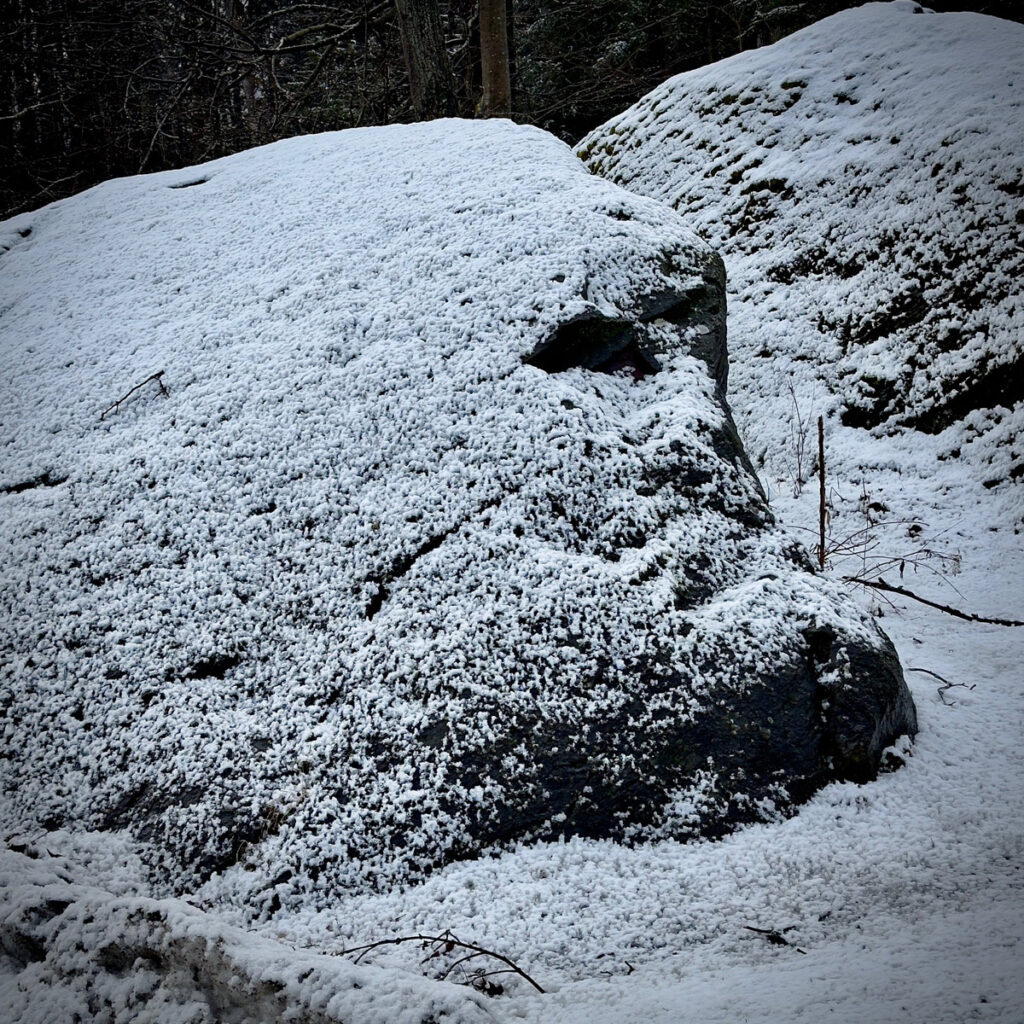
by Carole Owens
News
SU FYI
Be a Better Gardner at BBG
For all the gardeners out there from Berkshire Botanical Garden:
Click here for gardening tips and to “Be A Better Gardener.”
https://www.berkshirebotanical.org/be-better-gardener-benefits-snow
League of Women Voters Presents: Tara Jacobs
The League of Women Voters of Central Berkshire County will host
A Conversation With Tara Jacobs: “Equity, Inclusion, Accountability and Social Justice for All”
March 4th at 5:30 PM
Via Zoom
https://us02web.zoom.us/s/87835316176
Tara is a Member of the MA Governor’s Council: – Representing District 8 (Berkshire, Franklin, Hampshire, Hampden and a bit of Worcester counties).
The LWV Central Berkshire County chapter welcomes your input to this conversation.
Please forward any questions in advance of the meeting to: berkshirelwv@gmail.com
We look forward to welcoming you to the Zoom Room!
President Ramelle Pulitzer and the Board Members of LWV-CBC:
Amy Cooper, Betty Farbman, Susan Morris, Lucy Kennedy, Mose Olenik
Norman Rockwell Bash
The Norman Rockwell Museum Bash will be Saturday night, June 8, 2024, 6pm — 10pm
NRM is participating in the American alliance of Museums survey. If you want to share your ideas, click here: Survey Link
You could win a $100 Visa gift card.
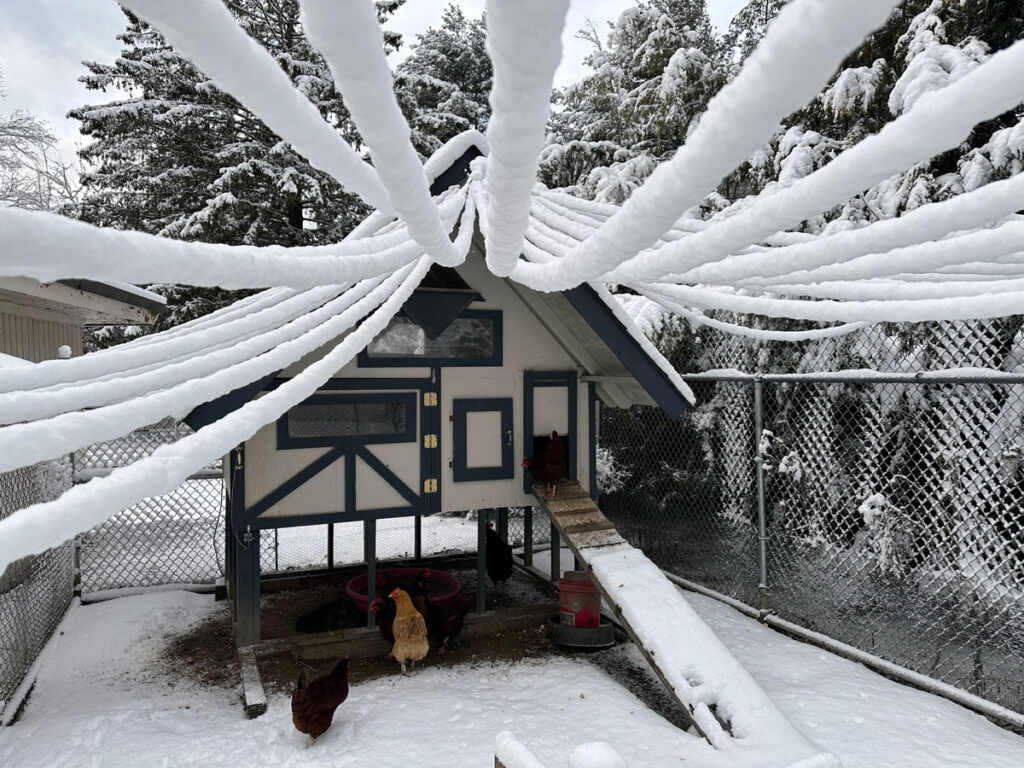
Perspective
What is Democracy?
My rough definition of “Democracy” is that it is a system of government in which open deliberation results in policies being decided or leaders being chosen, (or both) by the people being governed.
The word “democracy” has been used to describe indigenous governance in our part of the world (northeastern North America) prior to the arrival of Europeans. The traditional Native system certainly meets the criteria of my crude definition. There are, however, significant differences with Western practices. In the indigenous system, decisions were made by consensus, not by voting. Also, every member of the polity (Tribe or Nation) had a say in the outcome. Suffrage, in other words, was universal, including men, women, and children.
The New England Town Meeting is a deliberative body in which voting determines the outcome (the majority rules). Town Meeting is often cited as an example of “pure direct democracy” harking back to the origin of the word to describe the Classical Greek form of government in Athens.
demos (the people) + kratia (authority) = demokratia (the people rule), which (via Greek) entered the French language as democratie and into English in the late 15th century as democracy
The central events of the Athenian democracy were the meetings of the assembly. Unlike a parliament, the assembly’s members were not elected, but attended by right when they chose. Greek democracy created at Athens was direct, rather than representative: any adult male citizen over the age of 20 could take part, and it was a duty to do so. The officials of the democracy were in part elected by the Assembly and in large part chosen by lottery in a process called sortition. [source: wikipedia]
What is your definition of “democracy”? I would love to hear ideas from readers.

by Michael Forbes Wilcox
News
Zoning Board of Appeals, February 20, 2024. Hybrid
With respect to the propane depot on Lee Road, Chair Tom Shuler asked each side — Superior Propane and neighbors – to present their “case.” The attorney for Superior Propane made several points as follows: the 1973 permit allowed propane storage and 1981 special permit allowed an increase in the propane storage (from one tank to three). He argued distribution of the stored propane was implied. Also, for fifty years, from 1973 — 2023, use of property has gone unchallenged and should continue to do so.
Attorney for the appellant, David and Stephanie Adler, argued that the use of the property had fundamentally changed requiring a new permit. The change from delivery through a pipeline of natural gas to the customer with propane to augment natural gas in an emergency — one 30- gallon storage container – to delivery of propane to customers as primary use after closing natural gas pipeline — three storage tanks 90 gallons total.
Shuler delayed any decision subject to an opinion from our Town Counsel. On question might be on whom does the burden of proof rest? Another question might be did the use change substantially requiring a new or modified permit? Was the information supplied reflected in the minutes of the meeting in 1973 conditions of the permit — for example — number of truck trips per day?
The follow-up meeting scheduled for Feb. 28 was postponed as the two sides are in settlement discussions.
Editor’s note: An Appellant is a person who applies to a higher court for a reversal of a decision, in this case, of the Building Inspector.

Sign Up for
Stockbridge Updates
Local news provided free of charge.
Past Issues
-
VOL. VII NO. 17 10/01/2026
-
VOL. VII NO. 16 09/15/2026
-
VOL. VII NO. 15 09/01/2026
-
VOL. VII NO. 14 07/15/2026
-
VOL. VII NO. 13 07/01/2026
-
VOL. VII NO. 12 06/15/2026
-
VOL. VII NO. 11 06/01/2026
-
VOL. VII NO. 10 05/15/2026
-
VOL. VII NO. 09 05/01/2026
-
VOL. VII NO. 08 04/15/2026
-
VOL. VII NO. 07 04/01/2026
-
VOL. VII NO. 06 03/15/2026
-
VOL. VII NO. 05 03/15/2026
-
VOL. VII NO. 04 03/01/2026
-
VOL. VII NO. 03 02/15/2026
-
VOL. VII NO. 02 01/15/2026
-
VOL. VII NO. 01 01/01/2026
-
VOL. VI NO. 22 10/15/2025
-
VOL. VI NO. 21 10/01/2025
-
VOL. VI NO. 20 09/21/2025
-
VOL. VI NO. 19 09/15/2025
-
VOL. VI NO. 18 09/01/2025
-
VOL. VI NO. 16 08/15/2025
-
VOL. VI NO. 15 08/01/2025
-
VOL. VI NO. 14 07/21/2025
-
VOL. VI NO. 13 07/15/2025
-
VOL. VI NO. 12 07/01/2025
-
VOL. VI NO. 11 06/15/2025
-
VOL. VI NO. 10 06/01/2025
-
VOL. VI NO. 09 05/15/2025
-
VOL. VI NO. 08 05/01/2025
-
VOL. VI NO. 07 04/01/2025
-
VOL. VI NO. 06 04/15/2025
-
VOL. VI NO. 05 03/15/2025
-
VOL. VI NO. 04 03/01/2025
-
VOL. VI NO. 03 02/15/2025
-
VOL. VI NO. 02 02/01/2025
-
VOL. VI NO. 01 01/15/2025
-
VOL. V NO. 22 11/15/2024
-
VOL. V NO. 21 11/01/2024
-
VOL. V NO. 20 10/15/2024
-
VOL. V NO. 19 10/01/2024
-
VOL. V NO. 18 09/15/2024
-
VOL. V NO. 17 09/01/2024
-
VOL. V NO. 16 08/15/2024
-
VOL. V NO. 15 08/01/2024
-
VOL. V NO. 14 07/15/2024
-
VOL. V NO. 13 07/01/2024
-
VOL. V NO. 12 06/15/2024
-
VOL. V NO. 11 06/01/2024
-
VOL. V NO. 10 05/15/2024
-
VOL. V NO. 09 05/01/2024
-
VOL. V NO. 08 04/15/2024
-
VOL. V NO. 07 04/01/2024
-
VOL. V NO. 06 03/15/2024
-
VOL. V NO. 05 03/01/2024
-
VOL. V NO. 04 02/15/2024
-
VOL. V NO. 03 02/01/2024
-
VOL. V NO. 02 01/15/2024
-
VOL. V NO. 01 01/01/2024
-
VOL. IV NO. 28 12/15/2023
-
VOL. IV NO. 27 12/01/2023
-
VOL. IV NO. 26 11/15/2023
-
VOL. IV NO. 25 11/01/2023
-
VOL. IV NO. 24 10/22/2023
-
VOL. IV NO. 23 10/15/2023
-
VOL. IV NO. 22 10/01/2023
-
VOL. IV NO. 21 09/22/2023
-
VOL. IV NO. 20 09/15/2023
-
VOL. IV NO. 19 09/08/2023
-
VOL. IV NO. 18 09/01/2023
-
VOL. IV NO. 17 08/22/2023
-
VOL. IV NO. 16 08/15/2023
-
VOL. IV NO. 15 08/01/2023
-
VOL. IV NO. 14 07/15/2023
-
VOL. IV NO. 13 07/01/2023
-
VOL. IV NO. 12 06/15/2023
-
VOL. IV NO. 11 06/01/2023
-
VOL. IV NO. 10 05/15/2023
-
VOL. IV NO. 09 05/01/2023
-
VOL. IV NO. 08 04/15/2023
-
VOL. IV NO. 07 04/01/2023
-
VOL. IV NO. 06 03/15/2023
-
VOL. IV NO. 05 03/11/2023
-
VOL. IV NO. 04 02/15/2023
-
VOL. IV NO. 03 02/01/2023
-
VOL. IV NO. 02 01/15/2023
-
VOL. IV NO. 01 01/01/2023
-
VOL. III NO. 24 12/15/2022
-
VOL. III NO. 23 12/01/2022
-
VOL. III NO. 22 11/15/2022
-
VOL. III NO. 21 11/01/2022
-
VOL. III NO. 20 10/15/2022
-
VOL. III NO. 19 10/01/2022
-
VOL. III NO. 18 09/15/2022
-
VOL. III NO. 17 09/01/2022
-
VOL. III NO. 16 08/15/2022
-
VOL. III NO. 15 08/01/2022
-
VOL. III NO. 14 07/15/2022
-
VOL. III NO. 13 07/01/2022
-
VOL. III NO. 12 06/15/2022
-
VOL. III NO. 11 06/01/2022
-
VOL. III NO. 10 05/15/2022
-
VOL. III NO. 09 05/01/2022
-
VOL. III NO. 08 04/15/2022
-
VOL. III NO. 07 04/01/2022
-
VOL. III NO. 06 03/15/2022
-
VOL. III NO. 05 03/01/2022
-
VOL. III NO. 04 02/15/2022
-
VOL. III NO. 03 02/01/2022
-
VOL. III NO. 02 01/15/2022
-
VOL. III NO. 01 01/01/2022
-
VOL. II NO. 24 12/15/2021
-
VOL. II NO. 23 12/01/2021
-
VOL. II NO. 22 11/15/2021
-
VOL. II NO. 21 11/01/2021
-
VOL. II NO. 20 10/15/2021
-
VOL. II NO. 19 10/01/2021
-
VOL. II NO. 18 09/15/2021
-
VOL. II NO. 17 09/01/2021
-
VOL. II NO. 16 08/15/2021
-
VOL. II NO. 15 08/01/2021
-
VOL. II NO. 14 07/15/2021
-
VOL. II NO. 13 07/01/2021
-
VOL. II NO. 12 06/15/2021
-
VOL. II NO. 11 06/01/2021
-
VOL. II NO. 10 05/15/2021
-
VOL. II NO. 09 05/01/2021
-
VOL. II NO. 08 04/15/2021
-
VOL. II NO. 07 04/01/2021
-
VOL. II NO. 06 03/15/2021
-
VOL. II NO. 05 03/01/2021
-
VOL. II NO. 04 02/15/2021
-
VOL. II NO. 03 02/01/2021
-
VOL. II NO. 02 01/15/2021
-
VOL. II NO. 01 01/01/2021
-
VOL. I NO. 10 12/15/2020
-
VOL. I NO. 09 12/01/2020
-
VOL. I NO. 08 11/13/2020
-
VOL. I NO. 07 11/01/2020
-
VOL. I NO. 06 10/18/2020
-
VOL. I NO. 05 10/01/2020
-
VOL. I NO. 04 09/15/2020
-
VOL. I NO. 03 09/01/2020
-
VOL. I NO. 02 08/18/2020
-
VOL. I NO. 01 08/06/2020