

Now we are seven and all systems are go. Click http://www.stockbridgeupdates.com and in upper right corner, subscribe or leave us a comment. Find our complete archive from the first issue in August 2020 through April 15, 2026. Search an old article, read or reread them, and of course, take another look at all those fabulous photographs. if you would like to support Stockbridge Updates, go to VENMO @carole-owens-6 (no caps) or mail a check to P. O. Box 1072, Stockbridge, MA. 01262. If you like this issue, pass it on.
IN THIS ISSUE: VOL. VI NO. 10 06/01/2025
by Carole Owens, Executive Editor
by Bill Vogt
by Carole Owen
by AI (no joke)
Editorial
"Oh so proudly we stand"
We could have done better. Content is what we do; process is how we do it. We voted down the purchase of land this year. No matter, this year we will learn why we must control our destiny and next year we will have a land bank. (Read suggestions from readers below) For now, forget the content and look at the process because “it ain’t what you say, it’s the way how ya say it.”
1. Now that we have clickers handed out at the door to only those on an official voters list, there is absolutely no reason, in a town with a median age of 65, to ask anyone to sit on bleachers. They might like to sit on a more comfortable seat; age-related conditions may require that they must. They may like to sit with friends. Is it so hard to imagine that “townies” and “outlanders” might be friendly? Is it so hard to recognize that it is a travesty to create an us-and-them in our little village?
2. During a Public Hearing, Jamie Minacci was roundly criticized for limiting speakers to two minutes, but remember, Minacci allowed everyone to speak. To each of us who criticized Minacci, what did we say when the Moderator stopped one woman from speaking? Did we understand her feelings, rise, and defend her right to speak?
3. There is no good reason, now or ever, to publicly humiliate anyone who wants to put in their two cents worth. There is no fairness or decency in allowing someone to speak who articulates your position, and then in rudely shutting up someone who doesn’t.
4. The Moderator said he did it because she was a nonvoter. Folks that’s almost 50% of us. Do we wish 50% to lose their First Amendment rights in Stockbridge? Someone justified it by saying, “that’s okay, Town Meeting is for us (locals) not them (second homeowners).” Really? Two of our early second homeowners were Theodore Sedgwick and MumBet. They were followed by the Astors, Carnegies, Vanderbilts, Proctors, Alsops, Whistlers, and Whitneys. They contributed their words and more; we benefited.
5. For excellent reasons, there is a whole body of ethics that insists town employees, appointed and elected representatives, remain neutral. That all disclose any potential conflicts of interest. That no one lies to the assembly.
6. Whether against the strict interpretation of ethics, or just in opposition to the spirit of ethical laws, neither the Moderator nor anyone else should speak without disclosing a conflict. The Moderator might model this behavior and invite other speakers to disclose that they own or work for someone who owns Chapter 61 property, is an abutter, or lives close enough to benefit or be harmed by how a Chapter 61 property is disposed of.
7. For good reason, a Moderator moves the meeting along, manages time, and does not allow a 15-minute “commercial interruption” for one committee (and no other committee commission or board) to announce their “credentials.”
I like Gary. I think most people do. However, on May 19, Gary led a meeting that did not reflect well on us. With your 50 years of experience, we need you, Gary, please help us to do better. Please lead with equanimity and an even hand, remind the assembly of their rights, remind them of the roles of those who speak, correct misinformation, and remind us that every human being deserves dignified response. Thank you, Gary. You know what? We’re Stockbridge; we could have and we should have done better.

by Carole Owens, Executive Editor
Perspective
A Better Way
By Bill Vogt
Carole,
Please print the following in Stockbridge Updates. Thank you, Bill
Bill,
Delighted to. So pleased so many of you recognize the necessity to control our growth and control our own destiny. With help of people like you and others, by next Town Meeting, we will get the votes for the best plan — so keep thinking and keeping writing. Thank you.
Carole
At the Annual Town Meeting there was a long debate about the warrant article for the town to purchase land owned by the Moffatt Trust. The owner had an offer to buy the land, requiring its removal from a real estate tax program that reduces the tax assessment on land kept in its natural state. In return for this reduction, when the owner wants to sell the land for development, the town can purchase it if they match the valid offer, in this case $600,000, by a town meeting vote.
The warrant article was overwhelmingly rejected.
There is a better way to do this that both requires no town funding and also conserves features of properties that should not be developed.
Several years ago, when I was chairman of the Planning Board, Christine Rasmussen and I proposed a new zoning bylaw which would have required that larger properties be developed in a way that preserved most of the land as open space while allowing a house, or houses, to be erected in a clustered way on a small part of the property. The proposed bylaw included a sensible feature whereby the owner and the town would cooperate in determining which major portion of the property would be preserved as open, e.g., a lovely stream or wooded area or special view, and which smaller part could be built on.
The Planning Board reviewed several drafts of such a bylaw and visited communities where this kind of bylaw was in effect so that we could see what a property looked like when it was developed. The examples were enlightening.
However, after much discussion and review of bylaw drafts, it became clear that the Planning Board could not reach unanimity or near-unanimity on whether to proceed to a final recommended bylaw. We felt that in order for the new bylaw to pass at town meeting, the Planning Board needed to be unanimous, or nearly so, in its recommendation. Reluctantly, we agreed to cease this work.
The future owner of the Moffatt Trust land seems to have plans to develop it in a way that closely conforms with the open space residential zoning bylaw that the Planning Board considered. If the town can agree to put such a bylaw into effect there would obviously be no need for town money to be involved in future transactions. The owner would be required to comply with the bylaw, preserving most of the land as open space while building on only a small part of it.
I urge those who were behind the proposal for the town to acquire the Moffatt Trust property to urge the Planning Board to reconsider an open space residential zoning bylaw. Responsible development of the fifty or so Chapter 61 properties can be done at no cost to the town and with the benefit of preserving a great deal of open space now and for future generations.

by Bill Vogt
Perspective
Discussion for a Town Square
In 2023, the Massachusetts Supreme Judicial Court (SJC) ruled that public comment policies that restrict speech based on “civility” are unconstitutional under the Massachusetts Declaration of Rights. This ruling essentially means that government officials cannot silence members of the public during public comment periods based on the content of their remarks even if they are critical or controversial or contain offensive phrases. What do you think?

by Carole Owen
News
Events
1. Stockbridge Library, Annual meeting, June 3, 2025, at 4:30pm
Note from our library: Federal Funding and Massachusetts Libraries – On Friday, March 14, President Trump signed an executive order that targets federal funding to libraries and museums through the Institute of Museum and Library Services (IMLS). IMLS is the single largest source of critical federal funding for libraries. IMLS’ entire program of service costs 87 cents per person. (US population July 2024)
2. Norman Rockwell Museum Gala Saturday, June 7, 2025, 4pm. Tickets for Adult 21+ (Includes 1 Meal) $50.00
3. Chesterwood WordsAlive! June 11 at 5:00 PM
Patricia Hoerth talks about her new book Evelyn Beatrice Longman: The Woman Who Sculpted Golden Boy, Thomas Edison, and Other Monuments. Longman was an assistant and protégée of Daniel Chester French.
Artists in Residence Program
Since the 1970s, Chesterwood has hosted artists in a variety of disciplines through partnerships with organizations in which residency opportunities are a key element of their mission. Currently Chesterwood has established partnerships with Berkshire Art Center (Stockbridge, MA) and the National Sculpture Society (New York, NY). The 2025 season will see four artists in residence at Chesterwood including Sculptor Heidi Wastweet: An elected member of the National Sculpture Society, Heidi was selected through a competitive national juried process. Heidi will spend the month of June at Chesterwood, residing at The Meadowlark, Daniel Chester French’s private working studio in the woods. This residency is supported, in part, by the Lee M. Weiser Fund.
Perspective
From the desk of Michael Canales, Town Administrator
1. Acquisition or Sale of Land
Legal Authority: M.G.L. c. 40, Section 15
The acquisition, sale, lease, or transfer of real property by the Town requires a 2/3 vote at Town Meeting. This includes:
- Buying or selling land
- Conveying easements
- Accepting land donations
- Disposing of land under Chapter 61 right of first refusal
2. Town Meeting Notes
At Town Meeting in Stockbridge, the Town Moderator is responsible for presiding over the meeting and ensuring that debate proceeds in an orderly and lawful manner. While the Moderator does not verify every statement made during discussion, they may pause proceedings if a materially incorrect or misleading claim is made—particularly if it could influence the outcome of a vote. When needed, the Moderator may ask Town Counsel, the Town Administrator, or the chair of a relevant board or committee to provide clarification.
Town Counsel attends Town Meeting to offer legal guidance. Their primary role is to ensure that motions, amendments, and procedural actions comply with applicable laws and bylaws. If a legal misstatement occurs—whether about zoning, the warrant process, or legislative authority—Counsel may speak to correct it, either on their own initiative or at the request of the Moderator. However, Counsel is not expected to fact-check general commentary unless the misinformation raises legal concerns or affects the legality of the vote.
- Factual clarifications on financial data, departmental operations, or prior board decisions are typically handled by the Town Administrator, department heads, or board chairs. These individuals are present at Town Meeting and can be recognized by the Moderator to speak when a correction or explanation is appropriate.
- Ultimately, ensuring the accuracy of information shared at Town Meeting is a collaborative responsibility. Voters also have the right to raise a point of order or request clarification if they believe an incorrect statement has been made.

Perspective
History and Impact of the Nantucket Land Trust
By AI (no joke)
Passed by a Town Meeting, the Nantucket Land Trust (also called the Nantucket Land Bank) was the first program of its kind in the United States.
Conceived by Nantucket’s Planning Commission and adopted by the island’s voters, the Land Bank was created in response to growing concerns about rapid development and the loss of open space on the island. The Land Bank is funded primarily through a 2% fee levied on most real estate transfers on Nantucket. This innovative funding mechanism provides a steady stream of revenue, enabling the acquisition, management, and preservation of open spaces, agricultural land, and recreational areas for public use. The organization is governed by a five-member elected commission.
Collaboration and Broader Conservation Efforts
The Land Bank is one of several key organizations dedicated to conservation on Nantucket, working alongside the Nantucket Conservation Foundation, Nantucket Land & Water Council, Massachusetts Audubon Society, and others. Collectively, these groups have ensured that more than half of the island is protected from development, preserving Nantucket?s unique character and natural beauty for future generations.
Conclusion
The Nantucket Land Bank?s pioneering approach to land conservation has not only transformed the landscape and protected vital resources on Nantucket but has also inspired similar initiatives nationwide. Its ongoing efforts continue to balance development pressures with the preservation of the island?s ecological, recreational, and scenic value.
Closing comment by Carole Owens:
It was my honor and privilege to work with intelligent, constructive, and generous folks who never once limited their vision to what was good for them and always widened it to what was good for Stockbridge. Regardless of the vote, your efforts are a credit to this community. I want to be sure someone says, “thank you.”
Equally I am proud of the Community Preservation Committee for recognizing its obligation to open space, for its insight and understanding of the situation. I sincerely hope that, as in Nantucket, every nonprofit organization whose mission is to preserve land, will take another look and join this concerted effort. This isn’t about limiting protection to “pretty” land; it is about the serious business of controlling our destiny, saving habitat, connections between habitats as we humans build, and shaping our Town as we wish it to be, and protecting the character of Stockbridge. No matter how your voted, thank you, for attending, voting, and most of all, continuing to think about this challenge.

by AI (no joke)
News
More News
Playing Catch Up — hard to imagine that anything besides the Desisto Public Hearings, the election, and Town Meeting went on in May 2025. but there were other meetings
Notes from the statewide meeting of the Energy Facilities Siting Board, May 5, Hybrid meeting
The meeting extended over three hours. The initial content consisted of presentations by Commonwealth representatives explaining “An Act Promoting a Clean Energy Grid, Advancing Energy Equity, and Protecting Ratepayers” signed into law in November 2024, and the regulations that are being written now to implement the law.
The elements regulated will include the permitting process, the implementation of the Executive Order to accelerate permitting, environmental justice, and site suitability for large wind structures, transmission lines, solar panels, battery storage, and more.
These presentations were followed by comments from the 351 municipalities. There was an unexpected uniformity of response across a large, diverse group of municipalities. The common themes were opposition to the eradication of local control over where and how many battery storage facilities, fields of solar panels, wind turbines and transmission lines will be sited and the concomitant devastation of open spaces, forestlands, trees, views, etc. There would be local control over permits for small (25 megawatts) facilities. All expressed opposition to less local control.
The Commonwealth will devise a Energy Site Suitability Score. There was serious concern that there would be a disproportionate impact (burden) placed on certain areas of the state, particularly rural and forested regions.
There were flat critical statements that the Commonwealth and the Governor’s office was not listening to local concerns.
To meet the goals of the new law, it is estimated the 133,000 acres of currently undeveloped land will be destroyed to install the energy facilities. There was strong support for natural solutions and recognition that the trees cut down are oxygen producers.
Expenses were incurred to translate the content of the meeting into 11 languages, and to employ 40 staff members plus consultants to write the regulations.
News
Notes from the Annual Town Meeting
Notes from the Annual Town Meeting (TM), May 19, 2025, televised and in person only
To speak or vote at TM, a person must be present in the room, therefore, TM is televised but not on Zoom.
Moderator Gary Johnston called the meeting to order. There was an explanation of how to use the clickers. The first seven articles of the Warrant, mandated by law to be first, all passed. Article 17 was the last article on the Warrant — Article 18 was withdrawn, and Article 19 was the standard inquiry, is there any further business, made before adjourning TM.
At the discretion of the Moderator, Article 17, A Citizen’s Petition, was moved from last place on the Warrant to the first place possible — Article 8.
Carole Owens read the petition and asked the Moderator if she might add a clarification. Given permission, Owens explained:
Background
The figure of $600,000 was the amount offered in a contract from Jim Scalise to the Miles Moffatt Trust for 35 acres on Interlaken Cross Road in February 2025. The contract could not be executed unless the Town released its Right of First Refusal. If the Town exercised its right of first refusal that would supersede the Scalise contract, and the Town would pay $600,000 from Free Cash and own the property.
Privately owned land is placed in Chapter 61 to save on real estate taxes. The conservation restriction can be lifted any time but while it is in place, the owner has a reduction in taxes. The amount exempted is shifted to and paid by the rest of us — just as it is with the Residential Tax Exemption. When land is removed from Chapter 61 at the owner’s discretion, the owner pays some of the prior tax savings and the Town by law is granted the first right to purchase. Possibly, Stockbridge could have exercised it before another offer was made and potentially paid less.
Clarification
Because the Community Preservation Committee conditionally pledged $100,000 and a group of citizens proposing Article 17 raised $80,000, the maximum the Town would have to spend from Free Cash would be $420,000 leaving over $1million dollars in Free Cash. In addition, if the Town opted to sell 2 building lots, conserving 31 acres, then the amount spent could be as low as $120,000 from Free Cash.
Proponents argued that Stockbridge would be stronger and more able to control growth and development if it owned the land, especially with Chapter 61 properties where the Town has the Right of First Refusal. They urged folks to vote yes to take a stand against over-development in Stockbridge. The meteoric rise in property values in Stockbridge creates a profit margin very attractive to developers. Stockbridge needs to push back or be swallowed up by development. On just 27 acres at Desisto, a developer is building a hotel with 133 residential units, 2 restaurants with 250 seats, conference space, a pool and tennis courts plus 23 single-family houses and 4 townhouses. 35 acres is no small area, proponents argued, and the size of development should be controlled. At the same time, there would be real estate tax income from 2 or maximum 3 homes as well as the return on investment for the Town.
Opponents argued about depleting Free Cash — that is spending $600,000 of the $670,000 in Free Cash.
Owens asked Steve Shatz, Finance Committee member who mentioned those figures, to please tell the assembly home much was in Free Cash. Shatz refused to answer and asked Town Administrator to answer. Michael Canales confirmed there was $1,550,000 in Free Cash. An expenditure of $420,000 would leave $1,130,000 in Free Cash and sales could replenish that.
Some opponents said they did not wish Stockbridge to be in the real estate business. Jonathan Gotlieb argued that the land may not be salable, and Stockbridge may lose money. Apparently contradicting that argument, others pointed out that the offer of $600,000 by a developer far exceeded the assessed value. Opponents wanted to spend on affordable housing. Scalise spoke and gave no indication he was interested in building affordable housing, leaving the Town buying it as the only option to control the use of the land, to control what was built and how much, still this was articulated as an argument against Town purchase. Finally, representatives of organizations intended to preserve our land seemed to argue that the particular 35 acres on Interlaken Cross Road was not pretty enough to save.
Just before the vote was called, the Moderator announced that Article 17 would require a 2/3 vote to pass. Stockbridge Updates would welcome an explanation from Town Counsel as to why. General understanding is that spending from Free Cash is by majority vote while spending from the Stabilization Fund requires a 2/3 vote. In either case, Article 17, the Citizen’s Petition, was roundly defeated, but more information and expert information is always welcome.
When Article 13 was passed, Free Cash was depleted, not by $420,000 or $120,000, but by $880,000. That amount was transferred from Free Cash to the Stabilization Fund with the blessing of the Finance Committee, Select Board, and Town Administrator. Again, SU would welcome an explanation: if how much remained in Free Cash was a serious consideration when debating Article 17, why was it so drastically depleted without discussion by Article 13?
Editor’s note: 1. One speaker suggested CPC is only tax dollars. According to the Commonwealth “In Massachusetts, Community Preservation Act (CPA) funds are made up of a combination of local property tax surcharges and matching funds from the Massachusetts Community Preservation Trust Fund. The local surcharges are typically a small percentage of property taxes, while the trust fund receives revenue from surcharges on real estate transactions at the Registry of Deeds and Land Court. 2. From inception, municipalities are in the real estate business. It is their core business. In the 1600s and 1700s in the Massachusetts Bay Colony, the General Court in Boston allowed areas to incorporate, become towns, when they met certain conditions (Stockbridge in 1739). Their first order of business when incorporated was to establish property lines, legally confer ownership, and establish rate paying obligations. The business towns conduct is in real estate — zoning, protecting ownership, roads, bridges. The town levies real estate taxes to pay for all these items. 3. Corrections of fact were not made by the Finance Committee, Town Administrator, Town Counsel or Select Board. Stockbridge Updates would deeply appreciate corrections in real time and thank all representatives in advance for kind consideration of this suggestion.

News
Notes from the Public Hearing (continued) May 13, 2025, Hybrid meeting
After five months, legal fees, consultant fees, hours of work by our Select Board, and deeply held emotions on all sides, a conditional Special Permit was granted.
On just 27 acres at Desisto, a developer can now preserve some part of Beckwithshaw, a Berkshire Cottage, extend it to create a hotel with 133 residential units, 2 restaurants with 250 seats, and conference space, a swimming pool, tennis courts, plus 23 single-family houses and 4 townhouses. There were 32 conditions placed on the Special Permit, including:
- preserved 277 acres
- limited activities on an additional piece which could include glamping, outdoor dining, non-residential buildings such as a barn. and perhaps some farming.
SU sent out a Special News Report explaining all conditions on May 21, 2025.
News
Notes from the Select Board, May 8, 2025, Hybrid meeting
It was a SB meeting with a single agenda. Should the SB vote to release or execute the Right of First Refusal. An unprecedented audience of almost 100 people asked the Select Board not to vote on that issue until after Town Meeting so that the people could debate and vote on a Article 17, Citizens’ Petition on the Warrant. The Citizens’ Petition asked that the Town transfer money from Free Cash so that, if the Select Board approves, they can purchase the property and thereby control the use — the amount of development and the type of development.
Although they sounded as if a Citizens’ Petition was an imposition and that the matter should be voted upon without public comment because it was the dominion of SB, in the end, the SB heard public comment and voted to table their decision on the Right of First Refusal until after Town Meeting.
Editor’s note: Even before the Bill of Rights and then Constitution, it should never be felt as an imposition upon our representatives who are meant to listen and represent — not ignore and rule.

The Last Word
Reader to Reader
Carole
“Thank you, Carole, for your undying love of and support for our humble community of Stockbridge.” Bob Feuer.
Bob, thank you, there is nothing I would rather be thanked for than a lifelong love of Stockbridge and working for it — Mary told me to ‘watch out for Stockbridge.’ No way I can do it as well as she did; but I try.” Carole
“Well, you are doing just that. Kudos, Bob
To the Editor,
Re: “My Thinking About Desisto” by Patrick White. While I don’t always agree with his stance on certain issues in Stockbridge (i.e. the RTE) and sometimes have mixed feelings about other issues in town, I wanted to commend him for taking the time to explain his reasons for voting for the DeSisto School development, and you Carole for publishing.
So often the key considerations leading to a decision get lost in the haze of choppy presentations by the interested parties at multiple Select Board and Town Meetings spread out over time, it was helpful for him to lay out the pros and cons of the project and why he decided as he did, particularly for those who may have disagreed with him or had only casually followed the evolving debate. It also fosters confidence among our fellow citizens that its elected representatives are rolling up their sleeves and working hard to achieve the best results for the Town.
I hope this is a practice that can be followed in the future, at least on major town issues.
Again, thank you both for your efforts.
Meryl and Phil Cedar
Meryl and Phil,
Thanks so much for understanding why Stockbridge Updates does what it does. SU wants the best-informed voters possible. Sharing the thought behind, and the context for, a decision is our job — whether we agree with the final vote or not. I hope all the “deciders” — elected and appointed — take advantage of the opportunity a hometown paper affords especially when it is a controversial issue. Again thanks, folks like you make our community better, Carole
Hi Carole and Patrick,
Thanks for putting us on this list (actually Mike and I share this address) and Thanks to Carole for posting this.
I’d like to congratulate Patrick on his excellent work and decision on the Desisto project. It was thorough, he considered all the relevant issues, consulted competent experts, weighed the facts, and made a well-supported decision with the good of the town and its residents in mind. Would that all elected officials, especially those at the national level, were as thorough and rational and sought advice from competent experts.
Bravo for a task well done.
Susan Pettee
Great Barrington
To the editor:
At a moment in time when the spotlight is often on conflict, divisiveness, and polarization, I would like to share a story that showcases the spirit of community and the power of grassroots action.
Three weeks ago, residents of the beautiful, historic area that encompasses Interlaken Cross, Willard Hill, and Hill Road discovered that 35 acres of land abutting Interlaken Cross were sold to a developer in February. Within days, a passionate and dedicated number of community residents rallied neighbors to support a buyout of the land by the Town of Stockbridge.
A shared passion for our area’s natural beauty, the wildlife with which we are fortunate to share our land, and a commitment to preserving the tranquility and character of our neighborhood sealed a common resolve to support conserving this land.
Following a CPC meeting during which committee members and neighbors came together to discuss the development, the CPC provisionally committed some funds to support a buyout. Two days later, a large group of residents rallied prior to a town meeting and committed $50,000 in under four hours. Carole Owens led this fundraising effort with an aim to save taxpayers money. This is just the start!
Neighbors have organized fundraising events in their homes over the next few weeks. We have even engaged people who don’t live in the area but have a deep connection to Stockbridge and want to preserve the natural beauty of the historic Interlaken neighborhood.
At a time when our nation is divided and shared norms seem to be in decline, the Interlaken community has shown that the spirit of American democracy and civil society is alive and well. What could be a more worthy cause than preserving the natural beauty of Stockbridge?
Natasha Hritzuk
Dear Jamie, Chuck and Patrick,
It has come to our attention that the citizen’s petition regarding Moffatt Family Trust property would be of no use if the selectmen vote to release the right of first refusal before the town meeting on May 19th. We are writing to ask that you NOT release the right of first refusal and instead postpone that vote, let the petition be heard and let town meeting voters decide.
More than whether or not we support the petition, we do not support elected officials who would overstep in such a way as to take the matter away from the people by this sort of workaround. Please postpone the vote until after you hear from the citizens of Stockbridge on the 19th to see if we the people of Stockbridge want to spend the money for this land.
Sincerely,
Alan, Teresa and Luke O’Brient
Thank you, Teresa, Alan, Luke, and Natahsa —
We end where the SU editorial began. It isn’t the content; it is the process. It is not what we decide to do, it is how and how decide, and we treat one another as we decide.
Carole

News
SU FYI
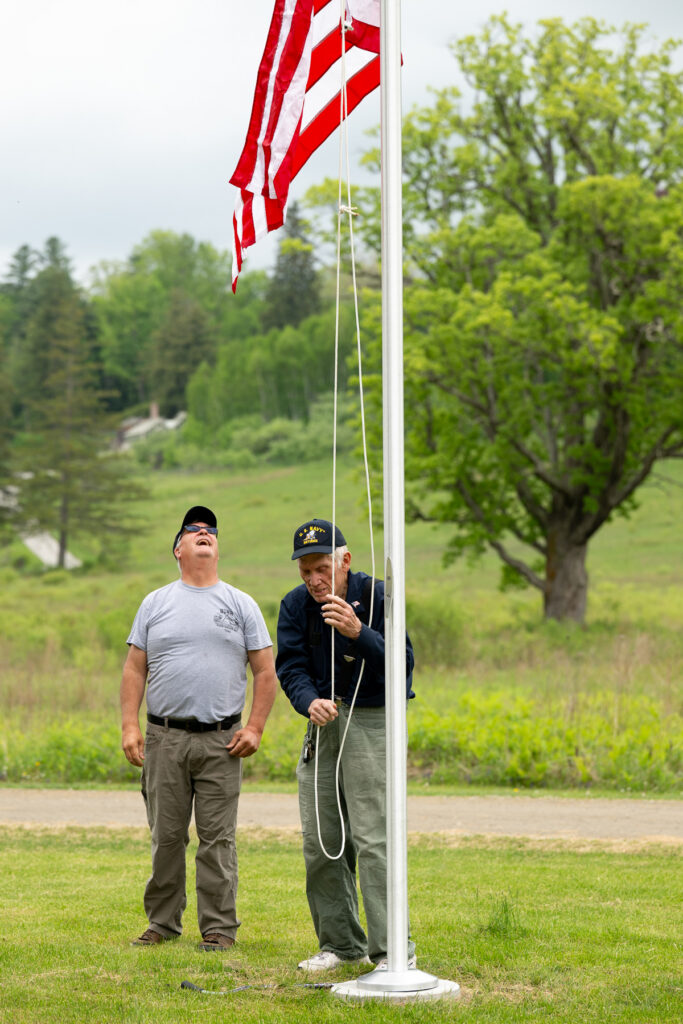
1. Congratulations, Harold French, the flagpole is installed in the Stockbridge Cemetery. You fought a good fight.
2. We are losing two of the more qualified members of the Finance Committee. Ed Lane is an Associate of the Society of Actuaries (ASA) and Certified Financial Planner (CFP), a former actuary and university adjunct professor of finance and economics. Bill Vogt retired from a 30-year career at JP Morgan Chase & Co. where he held various management positions in corporate and municipal finance, as well as private banking in New York, Tokyo, Hong Kong, Lagos and London. Gentlemen, thank you for your service. Gary, please, replace them with folks of equal caliber. We heard the resumes, let’s raise the bar.
3. After four decades as Director/CEO of the Norman Rockwell Museum, from Laurie, in her own words:
Dear Carole,
As a friend of the Museum, I write to share the news of the beginning of my and the Museum’s next chapter. This morning the Board of Trustees and I announced the thoughtful process of leadership transition ensuing over the next 12 — 18 months.
There comes a time in every institution when it is time to initiate succession and now is the right moment for the Board to select our next leader who will carry the Museum’s work forward. Serving as the director of Norman Rockwell Museum since 1986 has been the privilege of my lifetime. During these years, I have been blessed to work alongside visionary colleagues who have grown NRM to be the wonderful Museum we steward today. Working with each of them is a joy, and I am confident that this moment of transition will flourish because of you. Your support is at the heart and soul of this museum’s mission, and I have every confidence we will steward NRM into the future.
Museums are vital institutions, holding places to memorialize human achievement, as well as to inspire, gather, and invite reflection around contemporary times, through bringing visual creativity to the forefront. This mission seems more relevant than ever, leading the important work that NRM gives to the world at a time when our civic institutions are vitally needed and there is so much to be inspired by Norman Rockwell.
I am eternally grateful for the opportunity to steward Norman Rockwell Museum to become a global thought leader through the art of illustration. I hold immense gratitude to the many generations of trustees, staff, the Norman Rockwell Family, patrons, artists, our Stockbridge and museum community, our visitors, and of course, our namesake artist, Norman Rockwell.
In the near future, little will change. I will continue in my role for the next year as the board conducts its leadership search. We will pursue our work together, ensuring a strong, smooth leadership transition.
With gratitude and appreciation,
Laurie Norton Moffatt

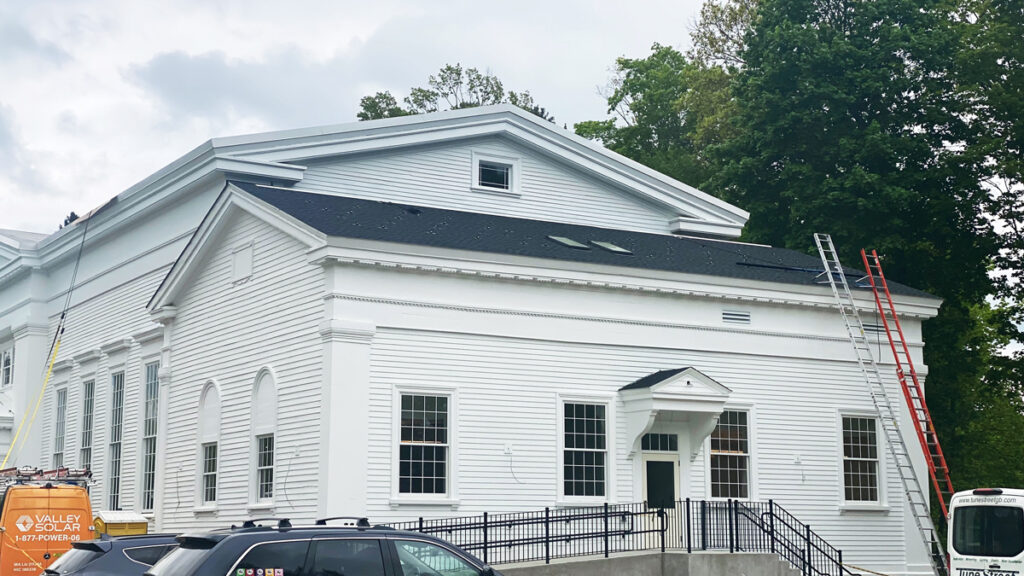
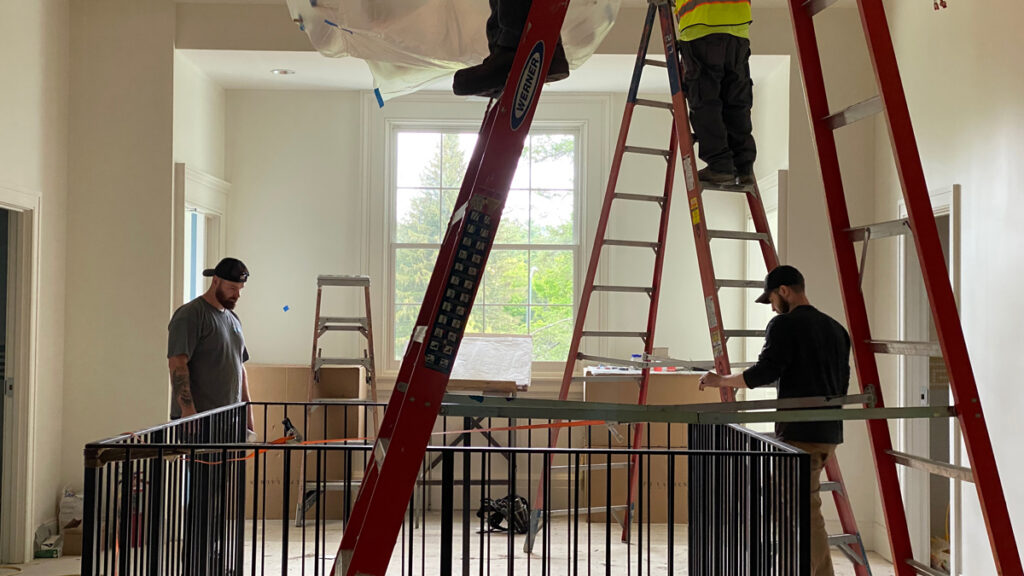
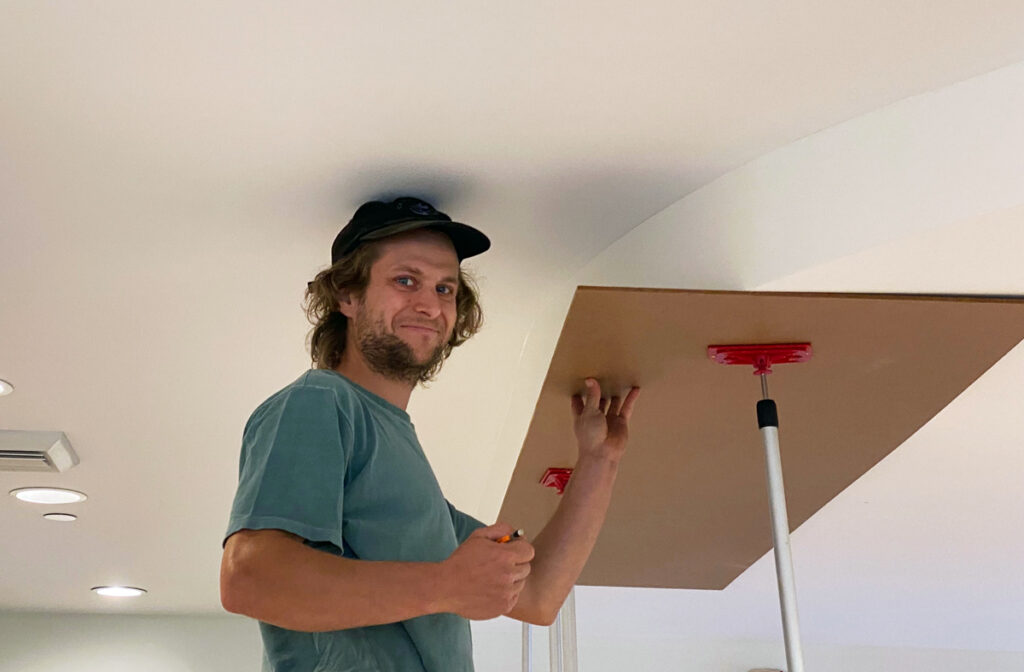
4. Congratulations to the Berkshire Waldorf High School (BWHS), its Board Chair Teresa O’Brient, Executive Director Steven Sagarin, CFO Patrick White, the Board of Directors, architect Pam Sandler, and General Contractor Carl Mercieri, you did it! BWHS is finished. Town Hall is saved. Kids will be laughing and learning in Stockbridge for decades to come.
Watch Now!
SU TV: An Interview with Kate Maguire
Sign Up for
Stockbridge Updates
Local news provided free of charge.
Past Issues
-
VOL. VII NO. 15 09/01/2026
-
VOL. VII NO. 14 07/15/2026
-
VOL. VII NO. 13 07/01/2026
-
VOL. VII NO. 12 06/15/2026
-
VOL. VII NO. 11 06/01/2026
-
VOL. VII NO. 10 05/15/2026
-
VOL. VII NO. 09 05/01/2026
-
VOL. VII NO. 08 04/15/2026
-
VOL. VII NO. 07 04/01/2026
-
VOL. VII NO. 06 03/15/2026
-
VOL. VII NO. 05 03/15/2026
-
VOL. VII NO. 04 03/01/2026
-
VOL. VII NO. 03 02/15/2026
-
VOL. VII NO. 02 01/15/2026
-
VOL. VII NO. 01 01/01/2026
-
VOL. VI NO. 22 10/15/2025
-
VOL. VI NO. 21 10/01/2025
-
VOL. VI NO. 20 09/21/2025
-
VOL. VI NO. 19 09/15/2025
-
VOL. VI NO. 18 09/01/2025
-
VOL. VI NO. 16 08/15/2025
-
VOL. VI NO. 15 08/01/2025
-
VOL. VI NO. 14 07/21/2025
-
VOL. VI NO. 13 07/15/2025
-
VOL. VI NO. 12 07/01/2025
-
VOL. VI NO. 11 06/15/2025
-
VOL. VI NO. 10 06/01/2025
-
VOL. VI NO. 09 05/15/2025
-
VOL. VI NO. 08 05/01/2025
-
VOL. VI NO. 07 04/01/2025
-
VOL. VI NO. 06 04/15/2025
-
VOL. VI NO. 05 03/15/2025
-
VOL. VI NO. 04 03/01/2025
-
VOL. VI NO. 03 02/15/2025
-
VOL. VI NO. 02 02/01/2025
-
VOL. VI NO. 01 01/15/2025
-
VOL. V NO. 22 11/15/2024
-
VOL. V NO. 21 11/01/2024
-
VOL. V NO. 20 10/15/2024
-
VOL. V NO. 19 10/01/2024
-
VOL. V NO. 18 09/15/2024
-
VOL. V NO. 17 09/01/2024
-
VOL. V NO. 16 08/15/2024
-
VOL. V NO. 15 08/01/2024
-
VOL. V NO. 14 07/15/2024
-
VOL. V NO. 13 07/01/2024
-
VOL. V NO. 12 06/15/2024
-
VOL. V NO. 11 06/01/2024
-
VOL. V NO. 10 05/15/2024
-
VOL. V NO. 09 05/01/2024
-
VOL. V NO. 08 04/15/2024
-
VOL. V NO. 07 04/01/2024
-
VOL. V NO. 06 03/15/2024
-
VOL. V NO. 05 03/01/2024
-
VOL. V NO. 04 02/15/2024
-
VOL. V NO. 03 02/01/2024
-
VOL. V NO. 02 01/15/2024
-
VOL. V NO. 01 01/01/2024
-
VOL. IV NO. 28 12/15/2023
-
VOL. IV NO. 27 12/01/2023
-
VOL. IV NO. 26 11/15/2023
-
VOL. IV NO. 25 11/01/2023
-
VOL. IV NO. 24 10/22/2023
-
VOL. IV NO. 23 10/15/2023
-
VOL. IV NO. 22 10/01/2023
-
VOL. IV NO. 21 09/22/2023
-
VOL. IV NO. 20 09/15/2023
-
VOL. IV NO. 19 09/08/2023
-
VOL. IV NO. 18 09/01/2023
-
VOL. IV NO. 17 08/22/2023
-
VOL. IV NO. 16 08/15/2023
-
VOL. IV NO. 15 08/01/2023
-
VOL. IV NO. 14 07/15/2023
-
VOL. IV NO. 13 07/01/2023
-
VOL. IV NO. 12 06/15/2023
-
VOL. IV NO. 11 06/01/2023
-
VOL. IV NO. 10 05/15/2023
-
VOL. IV NO. 09 05/01/2023
-
VOL. IV NO. 08 04/15/2023
-
VOL. IV NO. 07 04/01/2023
-
VOL. IV NO. 06 03/15/2023
-
VOL. IV NO. 05 03/11/2023
-
VOL. IV NO. 04 02/15/2023
-
VOL. IV NO. 03 02/01/2023
-
VOL. IV NO. 02 01/15/2023
-
VOL. IV NO. 01 01/01/2023
-
VOL. III NO. 24 12/15/2022
-
VOL. III NO. 23 12/01/2022
-
VOL. III NO. 22 11/15/2022
-
VOL. III NO. 21 11/01/2022
-
VOL. III NO. 20 10/15/2022
-
VOL. III NO. 19 10/01/2022
-
VOL. III NO. 18 09/15/2022
-
VOL. III NO. 17 09/01/2022
-
VOL. III NO. 16 08/15/2022
-
VOL. III NO. 15 08/01/2022
-
VOL. III NO. 14 07/15/2022
-
VOL. III NO. 13 07/01/2022
-
VOL. III NO. 12 06/15/2022
-
VOL. III NO. 11 06/01/2022
-
VOL. III NO. 10 05/15/2022
-
VOL. III NO. 09 05/01/2022
-
VOL. III NO. 08 04/15/2022
-
VOL. III NO. 07 04/01/2022
-
VOL. III NO. 06 03/15/2022
-
VOL. III NO. 05 03/01/2022
-
VOL. III NO. 04 02/15/2022
-
VOL. III NO. 03 02/01/2022
-
VOL. III NO. 02 01/15/2022
-
VOL. III NO. 01 01/01/2022
-
VOL. II NO. 24 12/15/2021
-
VOL. II NO. 23 12/01/2021
-
VOL. II NO. 22 11/15/2021
-
VOL. II NO. 21 11/01/2021
-
VOL. II NO. 20 10/15/2021
-
VOL. II NO. 19 10/01/2021
-
VOL. II NO. 18 09/15/2021
-
VOL. II NO. 17 09/01/2021
-
VOL. II NO. 16 08/15/2021
-
VOL. II NO. 15 08/01/2021
-
VOL. II NO. 14 07/15/2021
-
VOL. II NO. 13 07/01/2021
-
VOL. II NO. 12 06/15/2021
-
VOL. II NO. 11 06/01/2021
-
VOL. II NO. 10 05/15/2021
-
VOL. II NO. 09 05/01/2021
-
VOL. II NO. 08 04/15/2021
-
VOL. II NO. 07 04/01/2021
-
VOL. II NO. 06 03/15/2021
-
VOL. II NO. 05 03/01/2021
-
VOL. II NO. 04 02/15/2021
-
VOL. II NO. 03 02/01/2021
-
VOL. II NO. 02 01/15/2021
-
VOL. II NO. 01 01/01/2021
-
VOL. I NO. 10 12/15/2020
-
VOL. I NO. 09 12/01/2020
-
VOL. I NO. 08 11/13/2020
-
VOL. I NO. 07 11/01/2020
-
VOL. I NO. 06 10/18/2020
-
VOL. I NO. 05 10/01/2020
-
VOL. I NO. 04 09/15/2020
-
VOL. I NO. 03 09/01/2020
-
VOL. I NO. 02 08/18/2020
-
VOL. I NO. 01 08/06/2020