

Now we are seven and all systems are go. Click http://www.stockbridgeupdates.com and in upper right corner, subscribe or leave us a comment. Find our complete archive from the first issue in August 2020 through April 15, 2026. Search an old article, read or reread them, and of course, take another look at all those fabulous photographs. if you would like to support Stockbridge Updates, go to VENMO @carole-owens-6 (no caps) or mail a check to P. O. Box 1072, Stockbridge, MA. 01262. If you like this issue, pass it on.
IN THIS ISSUE: VOL. I NO. 04 09/15/2020
by Carole Owens, Editor
by Carole Owens, Managing Editor
by Carole Owens
by adapted from the MACC website
by Rick Wilcox
by Kate Fletcher
by Roxanne McCaffrey
Introduction
Stockbridge Updates Statement of Purpose
To inform without opinions or pressure and give you the facts you need to make your own decisions.
To provide space for opinion, but since facts and opinions are different, to clearly mark opinion pieces, and clearly identify the opinion holder.
Stockbridge Updates is a periodic newsletter delivered through email.
Carole Owens, Editor
by Carole Owens, Editor
Introduction
Vote 2020
The Primary Vote
Of the 1711 registered voters in Stockbridge, 823 voted in the primary.
Of the 823 voters, 135 voted in person on primary day and 65 voted in person early. 538 were vote-by-mail ballot requests, and 85 were absentee-ballot requests.
General Election November 3, 2020
When you requested your mail-in ballot for the September primary, if you checked the box for “all 2020 elections” then a ballot for the General Election will arrive automatically. Fill it out, mail it back, or place it in the drop box at town hall.
If you did not request a ballot for “all elections” and you want to vote by mail in the General Election, go to www.stockbridge-ma.gov, click on the link and download the application for a ballot, or you can pick up an application at the town trash compactor, the downstairs lobby of Town Hall, and outside the police station lobby.
Voting in person will be at Town Hall from 7 A.M. – 8 P.M. on Tuesday, November 3, 2020. Wear a mask and practice social distancing.
More information is available at: stockbridge-ma.gov and from Town Clerk Terri Iemolini at clerk@stockbridge-ma.gov or 298-4170 extension 251.
Editorial
The Real Estate Boom
This summer there was a sense that Berkshire County was experiencing a boom in real estate sales. Now as summer ends, do the facts support the theory?
Patricia Harris is the Registrar of Deeds for Berkshire Middle District which includes Becket, Dalton, Hinsdale, Lee, Lenox, Otis, Peru, Pittsfield, Richmond, Stockbridge, Tyringham and Washington.
In comparing sales for summer 2019 with summer 2020, Harris found an increase.
| Year 2019: | Year 2020: |
| Deeds in June: 215 | Deeds in June: 269 (Increase 25%) |
| Deeds in July: 246 | Deeds in July: 271 (Increase 10%) |
| Deeds in August: 263 | Deeds in August: 276 (Increase 5%) |
Harris added, “I believe that we would have experienced more transactions if there was more inventory on the market. We’ve also noticed that many of the deeds indicate the purchaser has an address other than the property address.”
That could indicate a second homeowner.
Harris concluded, “Compared to June of 2019, the excise tax jumped significantly; it rose 48%.”
The excise tax is collected on the sale price at a rate of $4.56 per $1000, therefore, the total excise tax goes up as the price of the house goes up.
Reflecting on county-wide sales, Sandra Carroll, CEO, Berkshire County Board of Realtors and Multiple Listing Service Inc., supported Harris’ findings.
The Board of Realtor’s Berkshire Market Watch Report (BMWR) found, “Closed sales in July [for single family dwellings] are up 11% countywide compared to last year.”
BMWR also reported, “the dollar volume of home sales has jumped 16% year-to-date compared to last year… [and] a 68% jump in July residential sales to $59 million dollars transacted compared to $35 million last year.”
Sales rose, cost of individual sales rose, and concomitantly inventory fell. Homes available lagged behind demand. “In July, countywide inventory fell to 511 homes on the market compared to 913 last year; a 44% decrease.”
The trend continued into August with a 22% increase in home sales. The condo market reflected the single-family home market with inventory down, sales and sale prices up.
The boom in the Berkshires may be the result of a “flight to safety” from more densely populated areas during Covid. It may also reflect the increased popularity the Berkshires experienced overall. In the last few years, lodging reservations, event attendance, and the length of the season have all increased. Whatever the reason, locals may ask: what is the impact? Will the trend continue? The Berkshires has a year-round population of approximately 126,000. If the trend continues, what else about the Berkshires might change?
Currently the percentage of second homeowners in Berkshire towns ranges from 16% to 64% — for example, 16% in Lee, 54% in Stockbridge, and 64% in Otis. Will the percentage of second homeowners increase? Ironically, will those escaping density create density here? Who are the new homeowners and what are their needs? What are the implications for planners and for elected and appointed officials?
by Carole Owens, Managing Editor
Around Town
Town News: September 15
Notes from the September 10 Select Board Meeting
The Select Board met on Thursday, September 10. Actions taken included:
Patty Cahill Andrew was appointed to the Zoning Board of Appeals. Andrew is a life-long Stockbridge resident and real estate professional.
The Select Board approved the special permit for the owners of 37 Mahkeenac Road to rebuild a house on the lot, after both the Planning Board and Conservation Commission signed off on the proposed work.
The Select Board entered Executive Session to discuss two issues: the Stockbridge Bowl DEP settlement (see piece by Roxanne McCaffrey below) and “to consider the purchase, exchange, lease or value of real estate”.
Finance Committee
The newest member of the Finance Committee is Pamela Boudreau, head teller, Lee Bank, Stockbridge.
The Planning Board
The Planning Board did not meet on September 1, 2020 (election day).
Notes from the Zoning Board of Appeals
ZBA met on September 8, 2020 via ZOOM to consider:
Teresa and R J Wise’s request for a variance from the Zoning Bylaw requirements with respect to maximum lot coverage and setback to the left property line for the purpose of allowing a 96 square foot Lawn House Studio to be placed on the property located at 6 Cherry Hill Road.
Thomas and Susanna Sharpe’s request for a variance from the Zoning Bylaw requirements with respect to an extension or alteration of a non-conforming structure/deck, on property located at 1 West Dale Road.
Site visits for both projects were scheduled for this week.
Water and Sewer
Water and Sewer meetings may not be the most exciting, but they are important. They deal with maintenance issues of delivery of water and the disposal of sewage. On the agenda: need to move water and sewer pipes due to bridge repairs; status of Echo Lake status and Stockbridge Bowl testing: addressing an odor at the Glendale pump station, and finishing Vine Street pavement.
Stockbridge Bowl Stewardship Commission
The Stockbridge Bowl Stewardship Committee met on Wednesday, September 2, 2020 via ZOOM. Among the items on the agenda was discussion of preparing a Lake Management Plan.
Trout stocking report
Fall trout stocking begins mid-September. Close to 60,000 rainbow trout that are 12 inches or longer and at least 4,000 brown trout about 9+ inches long will be stocked across Massachusetts this fall.
This is an annual event complicated this year by bridge construction, draught and low water levels. The Commonwealth rarely gives the exact time and location of stocking, but additional information is available at https://www.mass.gov/service-details/trout-stocking-report.
MassSave is Paying for 100% Insulation Costs through Nov. 30, 2020
Need your house insulated? Get it for free through November 30.
MassSave is offering 100% of the cost of insulation, up from 80% normally. You can learn more at https://www.masssave.com.
Opinion
Opening and Closing in the Time of Covid
Dr. Austen Riggs said Stockbridge, with its good New England manners, natural beauty, and comity, was an extension of the treatment he provided.
Comity is an old word and a good old New England ideal. It is out of fashion as a word but not as an ideal. Comity, from community, means an association for mutual benefit. The meaning implies simple courtesy and consideration toward others. It implies a little bit more: an awareness that the association as neighbors is more important than the outcome of any disagreement; an awareness that your neighbors’ wellbeing is related to your own – not theoretically but actually.
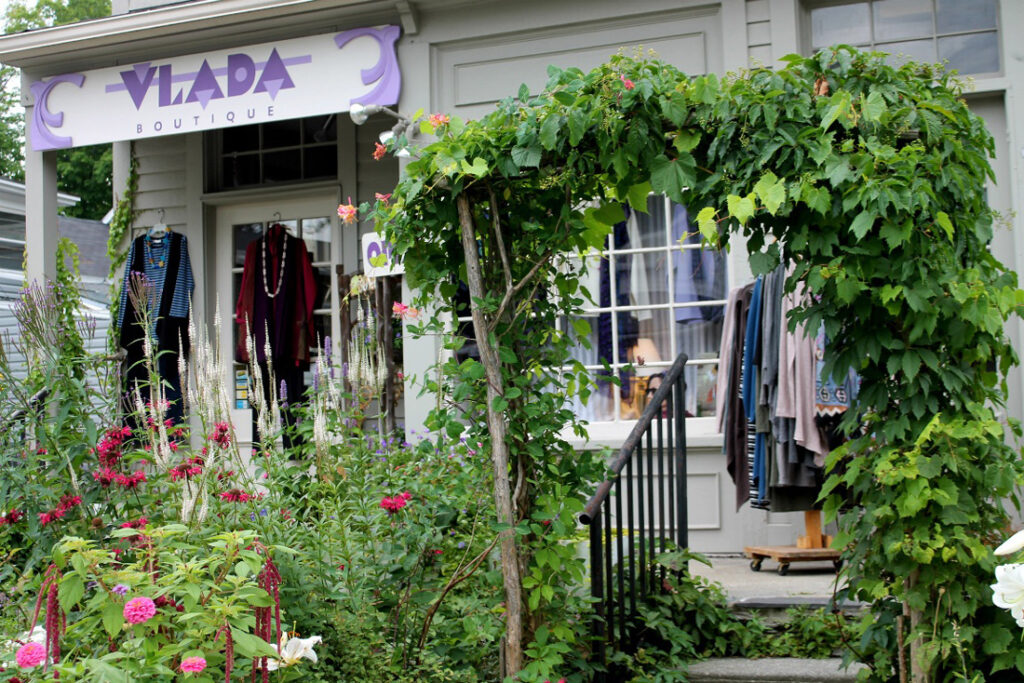
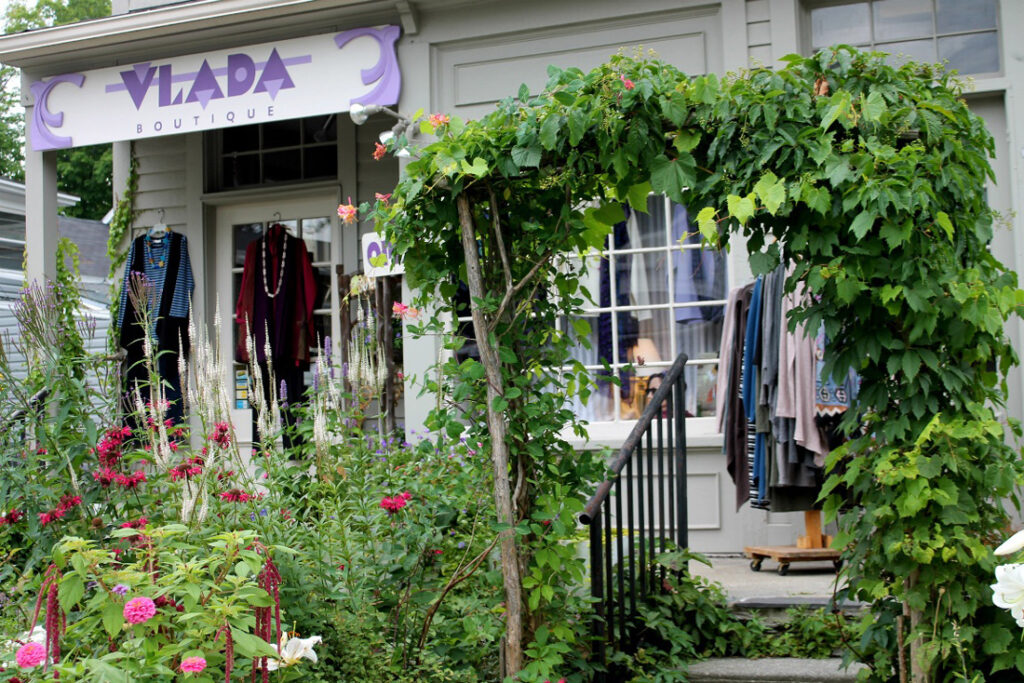
Vlada Rousseff owns and operates Vlada Boutique. It is a marvelous shop for women’s clothing and gifts at 9 Elm Street. It is filled with great “finds” and has been for the last forty years. It was in Stockbridge even longer. Vlada Boutique opened in 1970 at the Red Lion Inn.
Now after 50 years, the doors are closing. Covid forced her out.
“I am old enough to retire,” Vlada said, “but I was hoping to stay a little longer. I ordered great stuff for this year.”
As neighbors, please do stop in. Say fare-thee-well and help make sure Vlada’s shelves are empty when her doors close.
The closing might prompt the question: Is the money the Finance Committee put aside “due to Covid” available to help businesses?
On the same street, amidst the worst of Covid, Elm Street Market is refurbished and reopened. By all accounts, it is doing well. Go from Vlada’s to the Market. There are excellent things available to wear and to eat. With Sidetracks, Stockbridge Coffee Shop, Nejaime’s and Michael’s in between. Meander and enjoy our Stockbridge shopping street.
by Carole Owens
Opinion
About the Stockbridge Conservation Commission
This information was taken from Massachusetts Association of Conservation Commissions. Read the full text at http://maccweb.org/page/aboutmassconcomm.
Massachusetts invented the municipal conservation commission. The need was identified in the 1950s. By 1957, General Law Chapter 40 Section 8C – the Conservation Commission Act — enabled municipalities to establish conservation commissions by a vote of the town meeting or city council. By the mid-1980s, every city and town in the Commonwealth had established a conservation commission.
Duties
The duties and responsibilities of a conservation commission are set forth in the Conservation Commission Act. The conservation commission is the official agency specifically charged with the protection of a community’s natural resources. The commission also advises other municipal officials and boards on conservation issues that relate to their areas of responsibility. The duties include:
Open Space Protection
The Conservation Commission Act authorizes conservation commissions to inventory the municipality’s natural resources and to prepare relevant maps and plans. Open Space and Recreation Plans are therefore coordinated by conservation commissions. These important documents are a prerequisite for securing funds for open space acquisition. Conservation commissions also have the authority to adopt rules and regulations for the use of conservation land. These regulations have the full force of law; they are not merely “guidelines.”
Wetlands Protection
In 1972, conservation commissions were given responsibility to administer the Wetlands Protection Act (G.L. Ch. 131 Section 40) in their community. The commission serves the community in a regulatory capacity. Under the Massachusetts Wetlands Protection Act, conservation commissions process over ten thousand applications every year for permits to do work in and near wetlands, flood plains, banks, riverfront areas, beaches, and surface waters. The requirements of the Wetlands Protection Act are set forth in regulations promulgated by the state Department of Environmental Protection (DEP). How to administer the Wetlands Protection Act is described in detail in Protecting Wetlands and Open Space: MACC’s Environmental Handbook for Massachusetts Conservation Commissioners.
Legislative Authority
In Massachusetts, conservation commissions’ authority comes from several sources: the Conservation Commission Act (MGL Chapter 40 section 8C) for open space protection; the Wetlands Protection Act (MGL Chapter 131 section 40) for protecting wetlands and waterways; and the home rule provisions of the state constitution for non-zoning wetlands bylaws. Conservation Commissions have authority to issue permits.
The first powers given to conservation commissions in the Conservation Commission Act focused on “promotion and development of natural resources…and protection of watershed resources.” Under these powers, commissions undertake planning, acquiring, and managing open space, encouraging and monitoring conservation and agricultural preservation restrictions.
All state statutes can be found in the Massachusetts General Laws (MGL) at https://malegislature.gov/Laws/GeneralLaws
Stockbridge Conservation Commission
In Stockbridge, commissioners are appointed by the Select Board. Our Conservation Commission has five members and two associate members. Terms are three years in length.
If you have an interest in serving on your local conservation commission, talk to the commissioners, attend meetings and hearings, and learn what the job is all about. If you want to join, let the commission and the Select Board know of your interest.
Stockbridge Conservation Commission meets on the second and fourth Tuesday at 7 P.M. via ZOOM. Chair: Ron Brouker

by adapted from the MACC website
Insight
Our Archaeological Digs: An Historical Perspective
Serendipity, General George Washington, an 1100-pound Ox, Stockbridge Mohican Sachem Solomon Uhhaunnuhwaunnuhmut, Seeking a Needle in a Haystack
Part One by Rick Wilcox
Editor’s note: have you wondered about the Great Stockbridge archeological dig? Here is the back story by Rick Wilcox, former Stockbridge Chief of Police and current Stockbridge historian.
Town of Stockbridge Facilities Manager Chris Marsden, Stockbridge-Munsee Band of the Mohicans Historic Preservation Manager Bonney Hartley and archaeologist Casey Campetti, M.A. RPA were gathered at Bidwell Park, the site of a storm drainage upgrade that was funded by a grant from the Federal Emergency Management Agency. Part of FEMA’s legal obligations under Federal law was to conduct a survey for any pre- or post-contact cultural artifacts relating to Mohican presence. During a sidebar conversation, as they viewed nearby Laurel Hill, the trio wondered if archaeology would reveal the site of a 1783 Ox Roast that had been provided by General George Washington as a thank you to the Stockbridge Mohicans for their service in the Revolutionary War.
The mythology surrounding the ox roast had evolved over time to create an event that took place on Laurel Hill and that common knowledge suggested a survey of Laurel Hill might reveal cultural artifacts. The only likely location on the hill was the glen used as the gathering place for annual meetings of the Laurel Hill Association. A serendipitous moment unfolded when the Laurel Hill Association announced its desire to conduct a renovation of certain areas of the hill, which would require a history of the hill and a professional cultural resource survey to protect any pre- and post- contact cultural sites. To that end I was asked to create a history of Laurel Hill from 1735 to 1853 and Karen Marshall of Stockbridge authored a history from 1853 to present.
Research for the report eventually revealed that ownership of Laurel Hill by Stockbridge Mohicans included a three-acre home lot of Aaron Shaushockkock’s father on the north side of the hill as well as brief ownership of the same lot by Aaron himself. In addition, a five-acre lot on the southern half of Laurel Hill was owned by Jacob Tusnnuck. Tusnnuck and his wife Mary Wolummauck may have lived on the hill prior to his purchase of the land. By the time Mohican ownership of Laurel Hill had been established and it was confirmed that the ox roast had taken place across the river, the Stockbridge-Munsee Band of the Mohicans had been awarded a grant to conduct an archaeological survey on the Solomon Uhhaunauwauaunmut home lot.
The oldest historical record of the ox roast that I was able to uncover came from David Dudley Field, Sr.’s 1829 history of Berkshire County: “At the close of the war, Timothy Edwards and others, contractors for supplying a division of the Army at West Point with provisions, were ordered by Gen. Washington (as tradition is here) to give the Indians a feast, in consideration of their good conduct in the service. An ox, weighting 1100, was roasted whole, the whole tribe partook of it, men first, and then women, according to custom. The Rev. John Sergeant (the younger) and a Mr. Deane presided at the table, and the principal men of the place attended. The feast was kept near the residence of King Solomon; and after it was over, the Indians buried the hatchet, in token that the war was past, and performed other ceremonies in their own style, for the gratification of the company. ” Field arrived in Stockbridge in 1819 and one would wonder if he might even have been able to speak with someone who had firsthand knowledge of the ox roast a little more than forty years after the event.
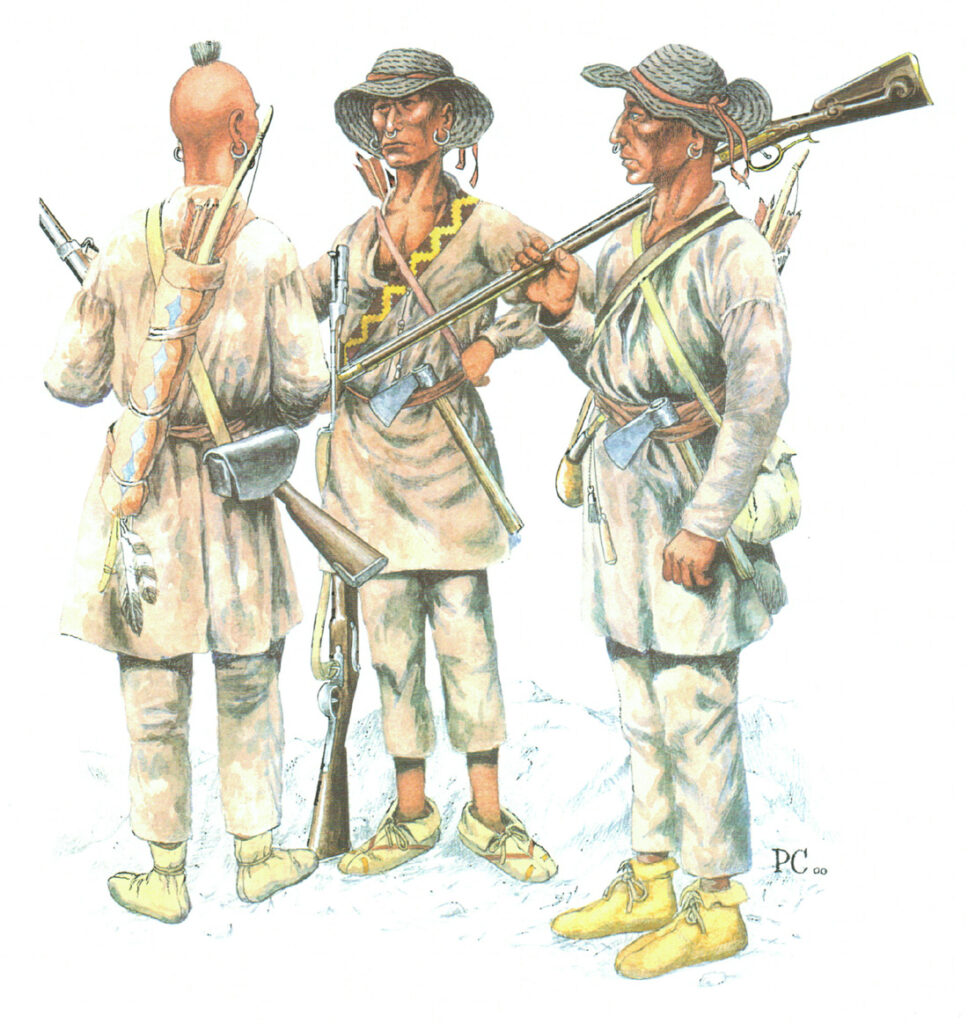
by Rick Wilcox
Insight
The Vision and the Zoning
by Kate Fletcher
Stockbridge town leaders in the 1970s, 80s, and 90s shared a vision for Stockbridge that planners now refer to as smart growth. Smart growth encourages conservation and sustainability by keeping development and businesses focused in downtowns and conserving natural resources and open space on the town outskirts. This vision has helped maintain our town’s character, property values and healthy municipal finances as well as our many natural resources. Our municipal budget is mostly funded with property taxes; during the 2008 Great Recession, property taxes held up better than other broad-based taxes like sales and income tax. Stockbridge has even managed to meet a state mandate that 10% of housing stock meet affordable housing guidelines, ahead of every other town in the Berkshires.
When our zoning was introduced in the 1990s, the zoning map was drawn such that it acknowledged the existing density in places like Glendale and Interlaken while seeking to preserve the rural character in the town outskirts. How does it work? On a basic level, the town is divided into six zones – Manufacturing, Business, Central Residence, one acre, two acre and four acre zones. Lot size minimums, frontage and set-back requirements are set for each zone. As an example, in the Central Residence zone, the lot size area, frontage and set-back requirements are less than in the four-acre zone. Stockbridge also has the Lake and Pond Overlay District which is intended to protect the natural beauty and ecology of the Stockbridge Bowl and other waterways in the Housatonic watershed.
A letter in a mailing this summer to all residents from the Stockbridge Bowl Association included the lead “Stockbridge is an old-fashioned town that is having trouble adapting to the 21st century.” My observation is that people continue to seek out rural towns like Alford, Becket, Monterey, Mt. Washington, Sheffield, Stockbridge and Tyringham in order to get away from the problems of the 21st century.
Here are a few facts on Stockbridge:
1. As of 2020, Stockbridge has the eighth lowest property tax rate in Berkshire County out of 32 towns and cities.
2. Stockbridge ushered in the Community Preservation Act (CPA) in 2002 as one of the first two early adopters in Berkshire County (Williamstown was the other early adopter). Affordable housing is a required component of the CPA. The first major CPA project that the town implemented was the Pinewoods complex, a mixed housing complex. It was a four-year commitment of funds and remains the largest allocation of CPA funding and public support in Stockbridge.
3. The State of Massachusetts mandates that 10% of housing stock in towns and cities be affordable. In the Berkshires, Stockbridge and North Adams are the only municipalities that exceed this 10% state mandate.
The following information is gleaned from the US Census:
4. The population of full-time residents in Stockbridge increased by 17% from 2010 to 2018.
5. In Stockbridge, 20 to 59 year olds make up 42% of the population as of 2018.
6. Women in Stockbridge outnumber men by a ratio of 1.51 to 1.
7. In the 2010 census, out of 1,671 residents, 51 people identified themselves as Black or African American, 48 as Hispanic or Latino and 63 as Asian.
8. In the 2010 census, the Stockbridge per capita income was $31,821; for Berkshire County it was $29,387.
Editor’s note: Kate Fletcher is a member of the Planning Board, chair of the Stockbridge Fountain Committee and was chair of the Stockbridge Zoning Review Committee from 2017-2019. She is writing as a resident and not a representative of any board or committee.
by Kate Fletcher
Perspective
Why the Delay of Treatment of Stockbridge Bowl?
After reading a recent letter to the editor of the Berkshire Eagle it seems there is a lack of understanding regarding the management of the Stockbridge Bowl, the role of jurisdictional agencies and the recent history of events.
Background history:
1957: The Massachusetts Conservation Commission Act was enacted, giving communities the option to establish conservation commissions to act as advocates for the natural environment, prepare appropriate conservation plans, and manage conservation lands. (Later legislation amended the Act to broaden those powers.)
2019 Stockbridge Bowl Association (SBA) appeals Conservation Commission denial of two wetlands permits:
- One appeal under the state Wetlands Protection Act to the Department of Environmental Protection (DEP)
- The denial is upheld by the DEP
- One appeal under the Stockbridge Wetlands Bylaw to Superior Court
- Judge Agostini ordered the Conservation Commission to approve a test application of herbicide to a portion of the Stockbridge Bowl.
- The SBA asked that the Conservation Commission hold off on issuing approval while negotiations were undertaken with DEP.
The stated goal of MassDEP Wetlands File # 296-0483 (Stockbridge Bowl Association herbicide application):
“The “Project Goal” is the substantial and ecologically significant control of Myriophyllum spicatum L., to effectuate the return of an indigenous and appropriately diverse aquatic plant community in the areas in which M. spicatum is effectively removed. The several Special Conditions of this Order shall be employed by the Department to gauge whether the Project Goal has been achieved.”
The Conservation Commission is not “flouting the court”.
As a result of negotiations, The Stockbridge Conservation Commission and the SBA signed an agreement allowing for a four-year program as defined by the Department of Environmental Protection (DEP) regarding the use of herbicides in Stockbridge Bowl.
This agreement was signed by the Town of Stockbridge on July 1, 2020 and filed, together with a proposed Final Order of Conditions (FOOC) agreed to by all parties, with the DEP Office of Appeals and Dispute Resolution (OADR) presiding officer on July 2, 2020. The Stockbridge Conservation Commission granted a permit for the herbicide application issued on August 19, 2020 under the wetlands bylaw pursuant to Judge Agostini’s order.
Under this permit, the SBA may apply the herbicide to test plots within the Bowl in 2021 following a 2020 vegetation survey in test and control plots (in accordance with the plan required by the DEP).
While the settlement agreement filed on July 2, 2020, was awaiting approval by the presiding officer and the DEP Commissioner, an aquatic vegetation and snail survey was undertaken July 27-28, 2020 at Town expense in support of the Town’s mechanical harvesting program by Dr. Thomas Coote of Otter Environmental and Bard College at Simon’s Rock.
Dr. Coote found that “…extensive beds of milfoil were not found in the lake or the channel …Most of the milfoil found was not reaching the surface of the lake, but were sparse and relatively short.”
The proposed FOOC regarding the herbicide three-year program includes Special Conditions as demanded by the DEP and is contingent upon a relative abundance of Eurasian water milfoil of at least 50% in the test and control plots.
Subsequently, the Stockbridge Bowl Association has chosen not to move forward with the required plant stem count in the control and test zones of the lake this year and instead has asked the Town of Stockbridge and the DEP to modify the settlement agreement, extending it to next year without showing a current, significant population of invasive Eurasian water milfoil.
The Coote survey also has significance for both the Town’s weed harvesting permit and the proposed dredging of the lake. The Town was being held to similar conditions by the DEP under our permit to harvest; i.e. relative abundance of Eurasian water milfoil of at least 50%, resulting in the inability to run the weed harvesters this year.
The Stockbridge Bowl Stewardship Commission (SBSC) was appointed by the Select Board in February, 2020 bringing stakeholders together to work cooperatively for the future health of the Stockbridge Bowl, its watershed and the lake ecosystem. The SBSC is comprised of a representative from each of the following: Select Board, SBA, Conservation Commission, Board of Health, Water & Sewer Commission, Water Department, and the Sportsmen’s Club. Additionally, the Harbormaster and Tri-Town Health are non-voting participants.
The Town of Stockbridge has initiated a monthly lake monitoring program in conjunction with GZA and Dr. Robert Kortmann, a prominent limnologist and expert in cyanobacteria. In 2020, the Stockbridge Water Department has been collecting data and test samples monthly from ice out and will continue to do so through September. Monitoring to date has shown no evidence of a cyanobacterial bloom and water clarity has been very good throughout the spring and summer months. It was noted in June that little Eurasian water milfoil was present; that condition has persisted.
The SBSC has undertaken the task of defining the goals and scope of a comprehensive Lake Management Plan. Any such plan must be reevaluated on a regular basis to take current conditions into account since the lake ecosystem is a dynamic environment as evidenced this year.
The Town of Stockbridge, the SBSC and the Conservation Commission are currently addressing the presence of water chestnut in one area of the outlet. This is an invasive species that can spread rapidly and action is being taken by the Town of Stockbridge to obtain the proper permission to remove these invasive plants.
Prior to the herbicide debate, the SBA and the Town historically worked together on various lake management projects.
It is imperative that we return to that spirit of cooperation so we can tackle the challenges we face in Stockbridge Bowl, preserving it for future generations.
Roxanne McCaffrey serves on the Select Board and the Stockbridge Bowl Stewardship Commission.

by Roxanne McCaffrey
Sign Up for
Stockbridge Updates
Local news provided free of charge.
Past Issues
-
VOL. VII NO. 14 07/15/2026
-
VOL. VII NO. 13 07/01/2026
-
VOL. VII NO. 12 06/15/2026
-
VOL. VII NO. 11 06/01/2026
-
VOL. VII NO. 10 05/15/2026
-
VOL. VII NO. 09 05/01/2026
-
VOL. VII NO. 08 04/15/2026
-
VOL. VII NO. 07 04/01/2026
-
VOL. VII NO. 06 03/15/2026
-
VOL. VII NO. 05 03/15/2026
-
VOL. VII NO. 04 03/01/2026
-
VOL. VII NO. 03 02/15/2026
-
VOL. VII NO. 02 01/15/2026
-
VOL. VII NO. 01 01/01/2026
-
VOL. VI NO. 22 10/15/2025
-
VOL. VI NO. 21 10/01/2025
-
VOL. VI NO. 20 09/21/2025
-
VOL. VI NO. 19 09/15/2025
-
VOL. VI NO. 18 09/01/2025
-
VOL. VI NO. 16 08/15/2025
-
VOL. VI NO. 15 08/01/2025
-
VOL. VI NO. 14 07/21/2025
-
VOL. VI NO. 13 07/15/2025
-
VOL. VI NO. 12 07/01/2025
-
VOL. VI NO. 11 06/15/2025
-
VOL. VI NO. 10 06/01/2025
-
VOL. VI NO. 09 05/15/2025
-
VOL. VI NO. 08 05/01/2025
-
VOL. VI NO. 07 04/01/2025
-
VOL. VI NO. 06 04/15/2025
-
VOL. VI NO. 05 03/15/2025
-
VOL. VI NO. 04 03/01/2025
-
VOL. VI NO. 03 02/15/2025
-
VOL. VI NO. 02 02/01/2025
-
VOL. VI NO. 01 01/15/2025
-
VOL. V NO. 22 11/15/2024
-
VOL. V NO. 21 11/01/2024
-
VOL. V NO. 20 10/15/2024
-
VOL. V NO. 19 10/01/2024
-
VOL. V NO. 18 09/15/2024
-
VOL. V NO. 17 09/01/2024
-
VOL. V NO. 16 08/15/2024
-
VOL. V NO. 15 08/01/2024
-
VOL. V NO. 14 07/15/2024
-
VOL. V NO. 13 07/01/2024
-
VOL. V NO. 12 06/15/2024
-
VOL. V NO. 11 06/01/2024
-
VOL. V NO. 10 05/15/2024
-
VOL. V NO. 09 05/01/2024
-
VOL. V NO. 08 04/15/2024
-
VOL. V NO. 07 04/01/2024
-
VOL. V NO. 06 03/15/2024
-
VOL. V NO. 05 03/01/2024
-
VOL. V NO. 04 02/15/2024
-
VOL. V NO. 03 02/01/2024
-
VOL. V NO. 02 01/15/2024
-
VOL. V NO. 01 01/01/2024
-
VOL. IV NO. 28 12/15/2023
-
VOL. IV NO. 27 12/01/2023
-
VOL. IV NO. 26 11/15/2023
-
VOL. IV NO. 25 11/01/2023
-
VOL. IV NO. 24 10/22/2023
-
VOL. IV NO. 23 10/15/2023
-
VOL. IV NO. 22 10/01/2023
-
VOL. IV NO. 21 09/22/2023
-
VOL. IV NO. 20 09/15/2023
-
VOL. IV NO. 19 09/08/2023
-
VOL. IV NO. 18 09/01/2023
-
VOL. IV NO. 17 08/22/2023
-
VOL. IV NO. 16 08/15/2023
-
VOL. IV NO. 15 08/01/2023
-
VOL. IV NO. 14 07/15/2023
-
VOL. IV NO. 13 07/01/2023
-
VOL. IV NO. 12 06/15/2023
-
VOL. IV NO. 11 06/01/2023
-
VOL. IV NO. 10 05/15/2023
-
VOL. IV NO. 09 05/01/2023
-
VOL. IV NO. 08 04/15/2023
-
VOL. IV NO. 07 04/01/2023
-
VOL. IV NO. 06 03/15/2023
-
VOL. IV NO. 05 03/11/2023
-
VOL. IV NO. 04 02/15/2023
-
VOL. IV NO. 03 02/01/2023
-
VOL. IV NO. 02 01/15/2023
-
VOL. IV NO. 01 01/01/2023
-
VOL. III NO. 24 12/15/2022
-
VOL. III NO. 23 12/01/2022
-
VOL. III NO. 22 11/15/2022
-
VOL. III NO. 21 11/01/2022
-
VOL. III NO. 20 10/15/2022
-
VOL. III NO. 19 10/01/2022
-
VOL. III NO. 18 09/15/2022
-
VOL. III NO. 17 09/01/2022
-
VOL. III NO. 16 08/15/2022
-
VOL. III NO. 15 08/01/2022
-
VOL. III NO. 14 07/15/2022
-
VOL. III NO. 13 07/01/2022
-
VOL. III NO. 12 06/15/2022
-
VOL. III NO. 11 06/01/2022
-
VOL. III NO. 10 05/15/2022
-
VOL. III NO. 09 05/01/2022
-
VOL. III NO. 08 04/15/2022
-
VOL. III NO. 07 04/01/2022
-
VOL. III NO. 06 03/15/2022
-
VOL. III NO. 05 03/01/2022
-
VOL. III NO. 04 02/15/2022
-
VOL. III NO. 03 02/01/2022
-
VOL. III NO. 02 01/15/2022
-
VOL. III NO. 01 01/01/2022
-
VOL. II NO. 24 12/15/2021
-
VOL. II NO. 23 12/01/2021
-
VOL. II NO. 22 11/15/2021
-
VOL. II NO. 21 11/01/2021
-
VOL. II NO. 20 10/15/2021
-
VOL. II NO. 19 10/01/2021
-
VOL. II NO. 18 09/15/2021
-
VOL. II NO. 17 09/01/2021
-
VOL. II NO. 16 08/15/2021
-
VOL. II NO. 15 08/01/2021
-
VOL. II NO. 14 07/15/2021
-
VOL. II NO. 13 07/01/2021
-
VOL. II NO. 12 06/15/2021
-
VOL. II NO. 11 06/01/2021
-
VOL. II NO. 10 05/15/2021
-
VOL. II NO. 09 05/01/2021
-
VOL. II NO. 08 04/15/2021
-
VOL. II NO. 07 04/01/2021
-
VOL. II NO. 06 03/15/2021
-
VOL. II NO. 05 03/01/2021
-
VOL. II NO. 04 02/15/2021
-
VOL. II NO. 03 02/01/2021
-
VOL. II NO. 02 01/15/2021
-
VOL. II NO. 01 01/01/2021
-
VOL. I NO. 10 12/15/2020
-
VOL. I NO. 09 12/01/2020
-
VOL. I NO. 08 11/13/2020
-
VOL. I NO. 07 11/01/2020
-
VOL. I NO. 06 10/18/2020
-
VOL. I NO. 05 10/01/2020
-
VOL. I NO. 04 09/15/2020
-
VOL. I NO. 03 09/01/2020
-
VOL. I NO. 02 08/18/2020
-
VOL. I NO. 01 08/06/2020