

Now we are seven and all systems are go. Click http://www.stockbridgeupdates.com and in upper right corner, subscribe or leave us a comment. Find our complete archive from the first issue in August 2020 through April 15, 2026. Search an old article, read or reread them, and of course, take another look at all those fabulous photographs. if you would like to support Stockbridge Updates, go to VENMO @carole-owens-6 (no caps) or mail a check to P. O. Box 1072, Stockbridge, MA. 01262. If you like this issue, pass it on.
IN THIS ISSUE: VOL. II NO. 06 03/15/2021
by Carole Owens
by Rick Wilcox
by Carole Owens
by Carole Owens, Managing Editor
by Carole Owens, Managing Editor
by Carole Owens, Managing Editor
News
During the Time of COVID
1. Historic Small Restaurant Grants
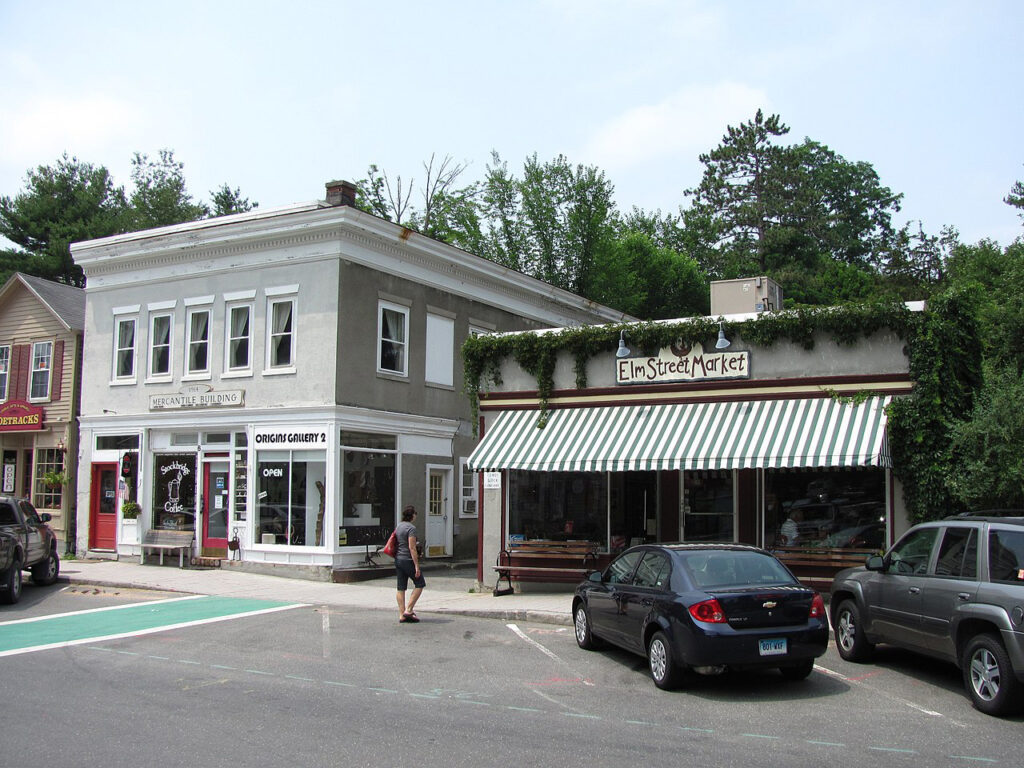
As a Stockbridge resident and customer, I was asked to support a grant application made by Tiffany’s Restaurant housed in Elm Street Market. American Express and the National Historic Trust are offering grants to aid small restaurants negatively impacted by COVID with special attention to those owned by minorities and women. The market and restaurant have served Stockbridge for almost 100 years. Please see my letter of support under Stockbridge History.
2. Berkshire Botanical Garden Programs
- March 17: Turning Lawns into Meadows (online)* JUST ADDED!
- March 20: Clean Composting 101*
- March 21: Dumplings from Scratch FULLY REGISTERED
- March 27: Ready, Set Grow! Seed Starting*
- April 9: How to Use Tools the Right Way
- April 10: Spring Pruning of Woody Ornamental Plants
- April 10: Spring/Summer Hive Management
- April 11: Seed Starting for the New Cutting Garden*
3. Get Vaccinated
Every day the ability to get your shot increases. Now vaccinations are available to those who are 65 years old, teachers and school workers, and folks with underlying conditions. The amount of vaccine is increasing and therefore the difficulty getting an appointment will decrease.
Openings in the Time of COVID
- Schools — Reopening for full time in-person learning
- Elementary Schools on April 5
- Middle Schools on April 28
- Restaurants
- Canyon Ranch
News
Notes from Town Boards
Notes from the Community Preservation Committee (CPC): March 5 via Zoom
Present:
- Sally Underwood-Miller, Chair
Committee Members:
- Jay Bikofsky
- Patrick White
- Tom Stokes
- Gary Pitney
- Linda Jackson
- Carole Owens
- Anne Rabinowitz
Also present: Laurie Norton Moffatt, Rick Wilcox, Ron Brouker, June Wolfe, Tim Minkler, Ellen Spear, Jane Ralph, Becky Amuso, Mark Wilson, India Spartz, Ellen Spear, Leigh Davis, Lillian Lee, Sarah DelSignore, Arthur Dutil, Bonny Hartley, and Andrea Lindsay
At the last meeting, these requests made by the Town were approved:
- $30,000 Soldier’s Monument
- $25,000 Cat and Dog Fountain
- $100,000 Stockbridge Housing Trust
- $0 Stockbridge Housing Repair Trust Fund (determined non-permissible)
The other applications were resolved as follows:
- $15,000 Berkshire Theatre Group’s Mellon Barn replacement of deteriorated clapboard
- $10,000 Stockbridge Library HVAC; $10,000 is half of what was requested as Select Board granted library $100,000 from CARES. It was suggested since the Town gives to the Library annually, perhaps the Library would offer the Town a seat on its Library Board.
- $20,000 Stockbridge-Munsee Community for GIS mapping, preservation and deed restriction at the Field Arboretum
- $9998 Norman Rockwell Museum for Linwood estate from CPC Administrative funds@$4999/year for two years
- $50,000 Riverbrook School to create an ADA compliant bathroom, sprinkler system & elevator.
- $5000 Stockbridge Housing Authority for replacement of damaged Heaton Hall sign
- $34,000 Stockbridge Housing Authority to replace wooden siding in buildings A, C, D, E, F and G
- $7270 Naumkeag for restoration of Frederick MacMonnies’s bronze sculpture, “Young Faun & Heron”. This sculpture is the oldest in the property’s collection. Linda Jackson suggested that the preservation include some extra protection against the elements.
- $75,000 Pine Woods to replace driveway and underlying cracked pipes.
- CPC discussed Kathryn Whitney’s request for assistance reroofing of her property at 17 Willard Hill. Town Counsel’s opinion was if CPC funded the historically correct roof, an historic preservation restriction must be placed on the property. CPC needed input from Ms. Whitney before making a decision. She was not present — tabled.
- Gould Meadows replacement of Mary Flynn sign determined non-permissible by Town Counsel.
- $11,750 Gould Meadows to build walkway over wetlands and continue the tree work.
Funds available for distribution were projected to be $285,000. However, through the efforts of Chair Sally Underwood-Miller and member Patrick White, $86,617 was recovered and returned to the fund. Of the $371,617, all but $3,597 was awarded.
The CPC funding recommendations will go to the Town Meeting for final approval.
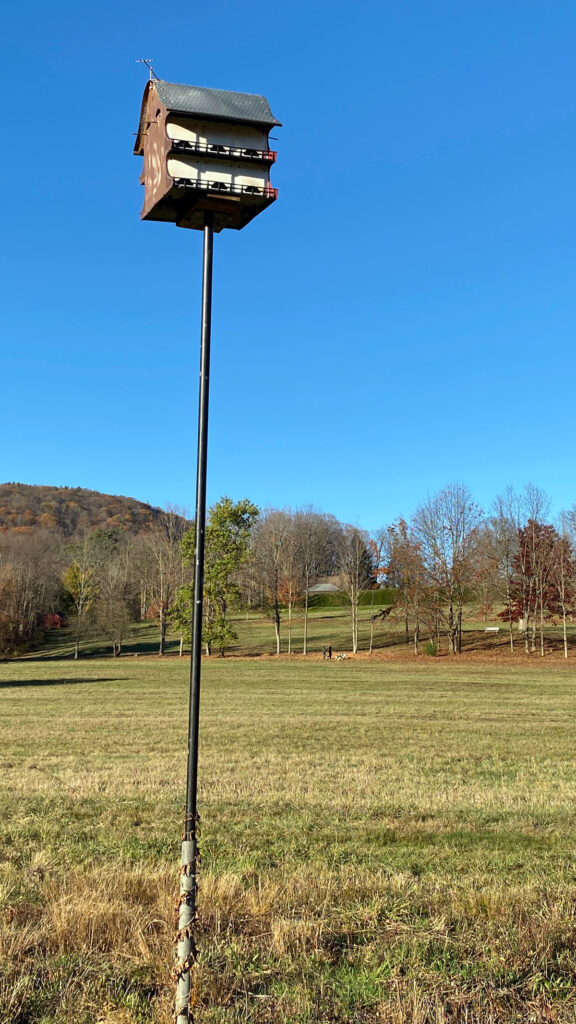
Notes from the Select Board: March 11 via Zoom
(There was no meeting March 4)
Present:
- Chuck Cardillo, Chair
- Patrick White
- Roxanne McCaffrey
- Michael Canales, Town Administrator
The Finance Committee:
- Jay Bikofsky, Chair
- Jim Balfanz
- Bill Vogt
- Neil D. Holden
- Steve Shatz
- Diane Reuss
- Pamela Boudreau
- Special Permit request – 82 Interlaken – Lori Robbins, atty, Mr. & Mrs. Brause, owners, Brent White, engineer— in light of approvals from Conservation Commission, Planning Board and compliance with setbacks, acreage, and Lake and pond Overlay District restrictions, approved. White requested they attempt to save mature Ash trees.
Convened joint meeting of SB and Finance Committee
- Fire Chief Vincent Garofoli presented FD budget divided between operating budget and capital expenditures. There was lengthy discussion about the relative merits of repairing an older truck or replacing it earlier than scheduled. Matter deferred.
- The Highway Department operating budget reduced by $75,709 due to a vacancy — the Department Supervisor. Otherwise, operating budget level from last year. Similarly, the Highway Department divided between operating budget and capital expenditures. The capital request was for $145,000 for a large truck used for plowing.
- Request for $6000 for Ice Glen old growth forest management plan – approved by joint vote.
- Questions were raised about the CARES money remaining unspent ($19,000) and the amount anticipated from the Biden Bill ($186,000)
The joint meeting was closed and the SB meeting resumed
- An item to raise occupancy and restaurant tax from 4 to 6% will be placed on the Warrant.
- Three zoning changes were proposed by the PB and sent to SB: driveways, signs, and parking. The SB has 14 days to review and return to PB with suggestions in advance of a public meeting. SB will take up at next meeting after reviewing, comparing to existing bylaws, and possibly checking with Town Counsel.
- There was surprise expressed by SB at the differences between the existing and suggested bylaws. Apparently, the request for minor changes was sent to PB from SB over a year ago. McCaffrey said it was returned “unrecognizable.”
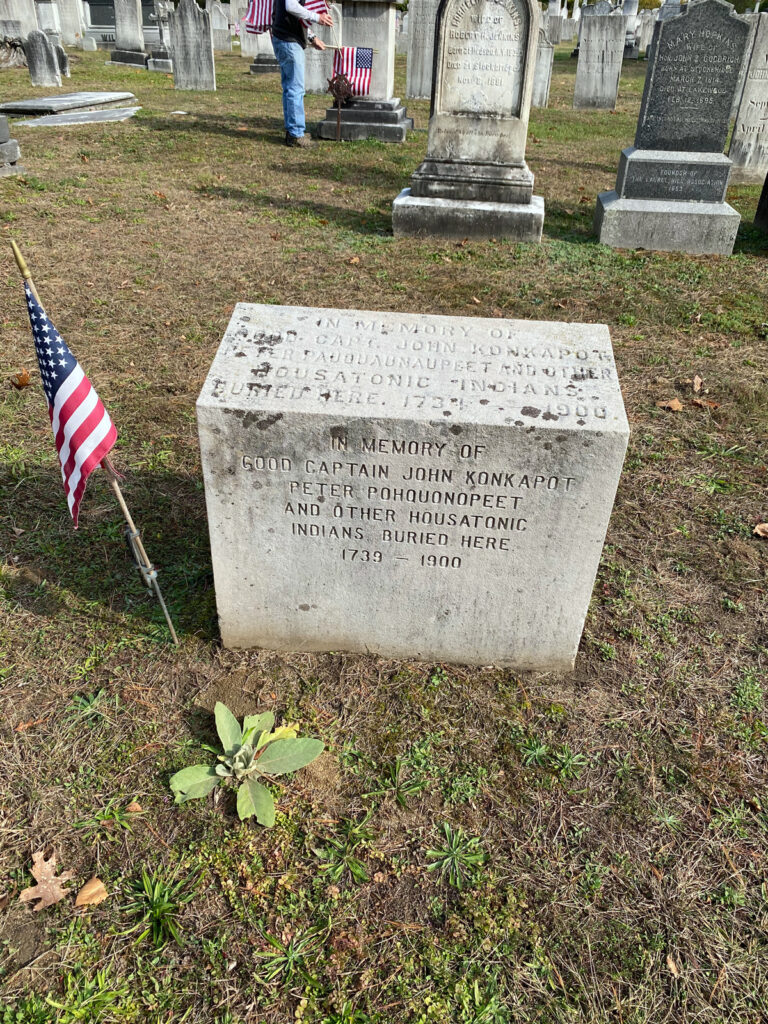
- At Old Town Hall (next to Congregational Church) documents were discovered from the 1700s (Stockbridge was formed in 1737 and incorporated in 1739). The name Konkaput (a Stockbridge-Munsee Community Chief and Stockbridge Selectman) appears with other names. The proposal is to return them to the Stockbridge-Munsee Community. It will appear on the Warrant at Town Meeting. It will require approval by the state legislature and Rep. Pignatelli is willing to move it forward.
- Discussion of Short-term Rental regulations to be placed on Warrant deferred until next meeting.
- Report to SB on CPC recommendations – see Notes from CPC above – those recommendations will be placed on Warrant.
- Lake Management Plan and Lake Monitoring Project – vote to fund passed.
- There will be a Senior Housing Listening Meeting via Zoom. White invited all to attend – look for posting of time.
- Evidently there is available from the Commonwealth, a free electric car charging station. Since this is an annual offer, it was deferred until next year.
- The Shared Streets money awarded to Stockbridge for propane heat and light near outdoor dining previously was declined. The money is still available if SB can devise an alternate use. McCaffrey suggested improvements to signage, trash cans and doggie stations.
- PB Vice Chair Christine Rasmussen requested that the meeting not be closed before approving and sending the three bylaws back to PB. There was a discussion – White wanted the 14 days to review. Rasmussen insisted that would not leave PB enough time to get changes on the Warrant. Canales took out a calendar and demonstrated that there was plenty of time. Rasmussen continued to object and said she thought the SB would just rubber stamp PB recommendations. McCaffrey had not had opportunity to read the bylaws; White wanted the 14 days statutorily granted, and the SB concurred. Canales again asserted there was plenty of time and offered to help Rasmussen with the calendar.
The SB meeting was adjourned.

Notes from Planning Board: March 2 via Zoom
Board Members:
- William Vogt, Chair
- Marie Raftery
- Christine Rasmussen
- Katherine Fletcher
- Gary Pitney
- Nancy Socha
- Wayne Slosek
- Jennifer Carmichael, secretary
- Consultants: Jeff Lacy and Philip Arnold
In addition: On behalf of special permit requests: Pam Sandler, Bruce Cohen, David Potter, design, Jackson Alberti and Marc Volke, Forsythe, David Brause, Ritch Holben, Brent White, architect and attorneys Elizabeth Goodman and Lori Robbins
- 50 Lake Drive, Special Permit to tear down an 1100 SqFt house and build a 2000 SqFt house. Approved by a vote of 5 – 2; Kate Fletcher and Christine Rasmussen voted no.
- Reopened the Public Meeting for 82 Interlaken in order to discuss altered plans. The guest house and pool were moved out of the Lake and Pond Overlay District (LPOD), and the size of the house was reduced by 618 SqFt. Approved by vote of 5 – 2: Kate Fletcher and Christine Rasmussen voted no.
- Budget: Chair requested approval for continuation of consultant fees ($40,000) in the PB budget for the coming year. A question was asked about how much of the $40,000 was spent this year; it was not answered.
- Bylaw changes: parking, signage, and driveways. The changes were sent to Town Counsel to compare to Commonwealth zoning bylaw. Here finding was that there were no significant differences. Next the Bylaw changes will be sent to the Select Board; however, some members complained that they did not receive a copy of the proposed bylaws in time to read and consider.
- In the final minutes of the meeting, there was an exchange about mixed use, that is, businesses in residential districts and residences in a business district. Rasmussen cited an “emergency” without specifying what it was. She said she had been working with consultant Phil Arnold to address this emergency.
Editor’s notes:
- If the PB subcommittee working with the consultants was deemed noncompliant with Open Meeting Law (OML) and disbanded, is one member working with the consultants and all questions and comments channeled thru that member, also noncompliant?
- If some of the $40,000 allocated for consultants this year is unexpended, does it carry forward for use next year? If yes, wouldn’t the PB request to the SB be $40,000 minus the unexpended amount?
Notes from the Planning Board: March 4 meeting via Zoom
Present: PB members and Consultant Jeff Lacy
- Christine Rasmussen asked that only the chat function be used to ask questions during the Zoom meeting; asked that all communication with consultant go through her at all times and asked that a written piece be included in the PB record. Although no specifics were given, it was apparently a written piece contradicting or objecting to an unnamed article in a prior issue of Stockbridge Updates.
- Chair said consultant Jeff Lacy explained NRPZ at the last meeting and suggested he move on to the Cottage Bylaw and Rural Sighting Principles.
- Rural Sighting Principles were developed by our last consultant, Joel Russell. It was suggested by Lacy that we include them in any bylaw as a compliment to NRPZ.
- Lacy moved to the Cottage Bylaw called Cottage era estate (CEE). Lacy raised two initial questions about CEE: should it be a part of the NRPZ Bylaw or separate? Lacy offered to append it but said it would make a very long bylaw (16-18 pages). Should it be appended or separate? No recommendation was made, and no vote taken.
- Lacy asked if there should be a list of the Berkshire Cottages in Stockbridge or if the Historical Commission should determine what is a Berkshire Cottage on a case-by-case basis? No recommendation was made, and no vote taken.
- Lacy continued to use 37 Interlaken (DeSisto) as an example until there was a comment from an attendee. On the CTSBTV replay, since it was required that attendees use “chat” only, the commenter was unseen, unheard, and when the comment was read, remained unidentified.
- Lacy replied that he often used a specific location to explain the impact of a proposed bylaw. However, the commenter offered that it could appear the PB is showing favoritism. At which point the Chair stated that the zoning changes contemplated were motived by what happened at DeSisto.
- The discussion continued and Lacy said before receiving this consulting contract he had never heard of Berkshire Cottages, and “I don’t know anything about them.” Nonetheless he was asked to produce a zoning bylaw to govern them at next meeting (March 11).
- Lacy complimented DeSisto’s planned preservation of the Great Lawn between the Berkshire Cottage and the road apparently without realizing that was a key element in the original Cottage bylaw in both Lenox and Stockbridge. The two key elements were to preserve the Cottage and the relationship between the Cottage and the road. The latter was both typical and definitional of a Berkshire Cottage.
Editor’s note:
- SU stands by its prior reporting and repeats: the suggestions offered by the consultant are not Stockbridge-specific. NRPZ is a template offered to many MA municipalities.
- SU stands by its reporting: NRPZ is designed to preserve and protect and should be respected for its intent, but whether or not NRPZ preserves our natural beauty, history, and the character of Stockbridge is a function not of the template but of the numbers plugged into it.
- Questions: If, as the Chair stated, the PB’s work on the bylaws is motivated by 37 Interlaken, could that be construed as spot zoning? If as member Rafferty stated, SB approval of special permits is over and PB now approves all special permits – when did that change occur? Did the town vote on it or by what process did it occur?
Notes from Water and Sewer Commission: March 4 via Zoom
Present:
- Donald Schneyer, Chairman
- John Loiodice
- Peter J. Socha
- Jennifer Carmichael, Secretary
- The Curtisville Project will be started in late March and completed in May.
- Budget for Tuckerman Bridge (by golf course) will be on the warrant at Town Meeting.
- Park Street Pump Station – total budget not yet determined.
- Abatement requests for water bill and sewer in two locations. At one location (water only), it was determined that a soaker hose set on a timer was unnecessarily increasing the water usage. At another location, a $594 abatement was requested (sewer only).
- Stockbridge owns forestry land and the logging is managed by the Water and Sewer Commission. They mark the trees according to what the loggers want in any given year. Stockbridge is paid for the wood, and harvesting is considered best the practice for clean water.
- A question was asked about the excess capacity of the Stockbridge sewer. Tony Campetti reported Stockbridge sewer has an excess capacity of 200,000-gallons. A requirement of 110 gallons per bedroom, per day is estimated, therefore, there is excess capacity for more houses to be connected.
Report from the Cemetery Committee – The Alternative Green Burial
by Candace Currie
Green burial offers an alternative to today’s conventional burials. What is green burial? A green burial is one in which everything—body, clothing, and casket—going into the ground is biodegradable. It is considered an environmentally friendly burial. Green burial is legal across the state of Massachusetts, but most municipal cemeteries, including ours, do not allow it.
Embalming or Cooling: There are two ways to temporarily preserve a body: cooling and embalming. There is no state law that requires embalming, but local public health departments may require it for having a public wake in a church or funeral home. It is legal, however, for families to do a home vigil for up to (3) days. This allows family members to wash, cool (in a cool room or with some form of dry ice) and place the body in the casket.
Once at the cemetery, a casket is never opened. Cemetery workers do not know if a body is embalmed or not. While there is little science about what leaches into the soil from a cemetery, embalming fluid does contain formaldehyde, which is a known carcinogen that is ubiquitous in our day-to-day lives.
Caskets: Caskets sold primarily by funeral homes are finished with varnishes or resins. Caskets used for green burials, particularly here in New England, are made of locally sourced, soft white pine. They are as beautiful, and artfully crafted as conventional caskets. Even being wrapped in a bed sheet or shroud, which is used for Muslim burial, is a valid container for burial.
Grave Liners or Vaults: Caskets are often placed in grave liners or vaults. Liners are concrete; vaults can be either metal or concrete. In essence, they become a casket for the casket. Conventional cemeteries often require these because it is much easier to dig next to a concrete grave liner than a wooden casket. When deciding to perform a green burial, it is important to work out how a grave will be dug (backhoe) and accessed (driving over existing graves.) This has been done successfully.
Allowing green burial in local cemeteries is one way for individuals to give back to the earth. What do you want? The cemetery commission would very much like to hear your thoughts and questions on green burial. Email Karen Marshall at kmarshall@stockbridge-ma.gov. For more information about green burial, visit www.GreenBurialMA.org and www.GreenBurialCouncil.org.
Report from the Stockbridge Health Department
by Charlie Kenny, Chair
Last fall the Boston Globe reported that PFAS, long-lasting toxic chemicals with potential for causing human health problems, had been dispersed through aerial and ground sprays used to kill mosquitos. Our local Mosquito Control Program (MCP) did not notify us that such chemicals might have been dispersed through spraying in Stockbridge because they weren’t sure. They had no plan to determine this. They also had no records that might help determine where such chemicals might have been used in Stockbridge.
The Board of Health found that such inaction and lack of information was unacceptable when facing a public health hazard. Because the Board had unsuccessfully requested information about the locations of spraying and cost allocation methods in Stockbridge, and because CDC and DPH recommendations are to use personally applied DEET (OFF) rather than perform aerial spraying, for the low level of threat of mosquito-borne illness that we now face and have faced for several years, the Stockbridge Board of Health has recommended that the town withdraw from participation in the MCP.
The Board will remain surveillant and recommend taking whatever steps are indicated for public safety following DPH guidelines should a real threat actually arise.
The Last Word
Reader to Reader – We Got Mail


Dear Carole,
I think it is important for everyone to understand the viewshed in order to keep Stockbridge, Stockbridge.
In 1980, Gould Meadows was designated a “Special Place” by Governor Dukakis. The first image is the view from Gould Meadows, shared by Tanglewood, seen by several hundred thousand visitors every year. Only one small white house can be seen in the entire panorama. The ridge immediately behind the house, starting left of it and extending almost to the right side of the picture belongs to the 37 Interlaken Cottage Era Estate (DeSisto).
The property was purchased a few years ago by a developer who wanted to put about 70 houses along that ridge. To help visualize what such a development would look like, the small white house that is visible has been pasted into 33 locations using the developer’s site plan. Many people in town, including the chair of our planning board, believe that the 37 Interlaken development would be hidden from view.
Look at the before and after pictures and click on the pdf link. Draw your own conclusions.
Charlie Kenny
Dear Charlie,
Thank you for contributing to Stockbridge Updates.
Carole
Dear Carole,
Today, a landowner or a developer can walk into Town Hall with an application for a development with every lot the size of one, two, or four football fields depending on the zoning district the land is in. Because of changes in legislation, court cases, and the Commonwealth’s policies supporting housing development, if that development complies with the town’s bylaws and regulations, it must be approved. In other words, development can now occur by right.
Aware of the unique character and beauty of the town and the desire to protect special places, the Planning Board is working on a proven concept that if passed at a future Town Meeting will allow boards and commissions to work with the developer. As the first step in this process, instead of finding the best sites for housing, the special features of the land, e.g., wildlife corridors or nesting areas for birds, a large front lawn, lovely old trees, or a stone wall are identified and permanently preserved with an easement. The siting of house lots then occurs with placement encouraged to take advantage of the land’s natural features, not a formula. The allowance for these lots is at approximately the same density as the underlying zoning allows, but the building envelops that owners are responsible for are smaller. For example, in a four-acre district, the housing may be on lots of approximately one-acre lots. The remaining three acres are protected open spaces available for passive recreation. The homes’ location creates more of a neighborhood feel, with substantially less environmental damage and infrastructure costs.
I understand that this new concept takes a while to get familiar with, but in your publication of a month ago, the concept was misconstrued. To address the issues, Jeff Lacy, a highly regarded consultant who has developed bylaws protecting small towns’ character in western Massachusetts and is now working with Stockbridge, developed a response. Because it was over your word limit, it was not published.
For people who are interesting in reading Jeff’s article, they can email me at christineb.rasmussen@gmail.com or call 298-7113. I hope next week Jeff’s article and other information on Natural Resource & Historic Preservation and Open Space Zoning will be readily available on the town’s website. I am writing this article based on my experience of working on land use issues, not as a member of the Planning Board.
Christine Rasmussen
Dear Christine,
Thank you for adhering to Stockbridge Updates policy so your letter could be included in this issue.
If it is deemed appropriate to place copy from Stockbridge Updates on the Town web site – we thank you. With a commitment to accuracy and without remuneration, SU endeavors to inform; posting our copy on Town web site helps.
SU never wishes to misconstrue but does point out contradictions, and questions assertions and generalizations in order to present Stockbridge with the best information available and indicate what to ask next.
As you say, landowners can develop by right once they comply with the town’s bylaws and regulations. That was always true and will remain true even as bylaws change. A landowner has rights/entitlements that can never be eradicated but can be limited when in the public interest to do so.
Carole
by Carole Owens
News
Senior Housing Listening Sessions
As part of the Municipal Vulnerabilities Plan grant, Stockbridge will host two senior housing listening sessions this week, the first on Tuesday, March 16th, 6-6:45 PM and the second on Wednesday, March 17th, 2-2:45 PM. Please join by clicking this zoom link at the time of the session: https://bscgroup.zoom.us/j/99455697241. If you prefer to participate by phone, call: 1-929-205-6099 passcode: 99455697241#
You can learn more about the Stockbridge MVP effort by viewing the dedicated website: https://stockbridgemvp.wordpress.com
https://www.youtube.com/embed/9UkMPdO_qv4
Stockbridge resident Lisa Lehmann, head of Bioethics at Google, shares some thoughts on climate change impacts on Stockbridge Seniors.
Perspective
Stockbridge History – Doc Campbell Heals a Community
Part One
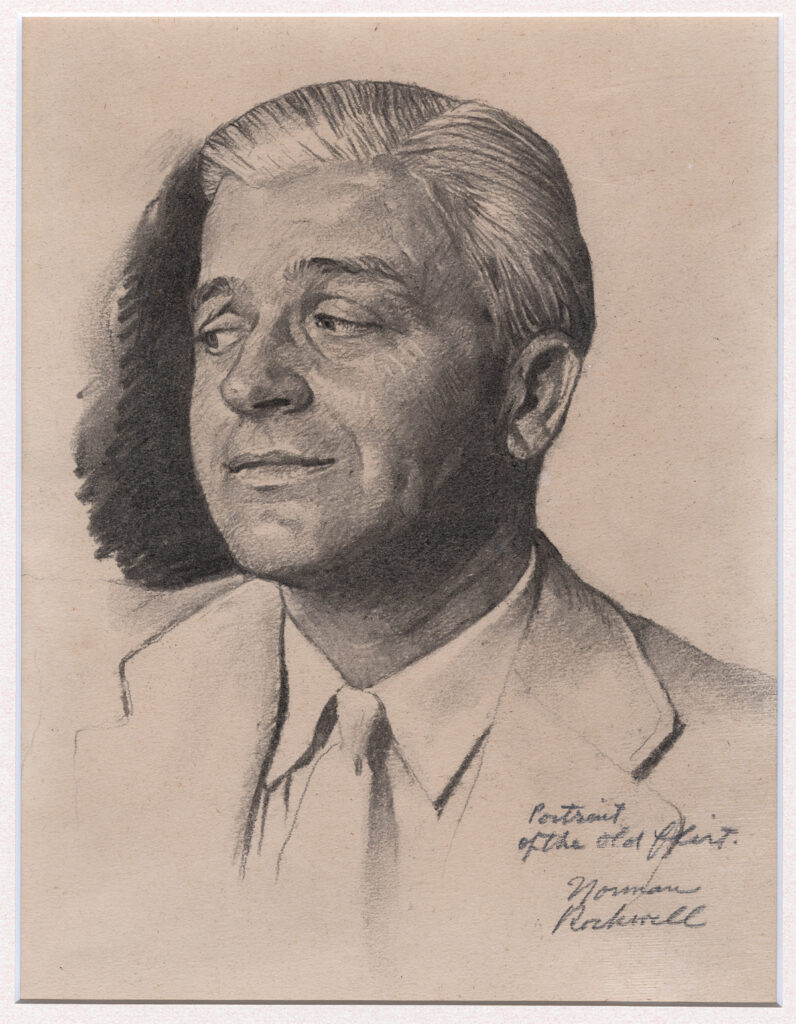
It was 1939, the 200th anniversary of the founding of Stockbridge, when Doctor Donald Campbell arrived in town. He was 33 years old. He setup his medical practice in a small office at his Main Street home.
On August 8th, 1940, Officer Thomas Killfoile was directing traffic as the Tanglewood concert traffic flowed through the Red Lion Inn intersection. He was struck by a car. A fellow officer ran down Main Street to ‘Doc’ Campbell’s house. Doc examined Killfoile and ordered an ambulance. Killfoile died at St. Luke’s Hospital, Pittsfield, at 3 a.m.
By the 1950s, Dr. Campbell was the quintessential silver-haired family doctor captured by Norman Rockwell in “Before the Shot”. Eddie Locke, the model, took a bit of friendly ribbing at school for baring a portion of his backside. Early in life, after I fell out of a tree, I met Doc Campbell. He charged $3.00 a visit; later I learned how much Doc Campbell gave back to Stockbridge.
In 2001, Doc Campbell died at the age of 95. The family asked if I could give a eulogy. I struggled to gather the words that captured the essence of the person who provided care for the people of Stockbridge for 50 years; to tell his children and grandchildren what he shared with his extended family – the village of Stockbridge.
From Doc Campbell I learned that symbols were important. In 1971, I worked the midnight shift as a Stockbridge policeman. There was no ambulance, no EMT. As often as not an injured person was placed in a police cruiser and transported to the hospital. After a vehicular accident, even at 3 a.m., the dispatcher called Doc Campbell. Within minutes he appeared carrying his little black bag. I wondered what was in that doctor’s bag that he could use for someone badly injured in a car accident. What I learned was that the little black bag contained faith and hope. The sight of Doc Campbell, calmly walking up to the accident scene, black bag in hand, always elicited a sigh of relief and the comment, “Doc is here.”
The week Doc Campbell died, I wore a black band across my badge to symbolize respect for those officers who died in the line of duty. In Stockbridge there were three. I decided to leave the band on until after Doc Campbell’s funeral as a symbol of how much he was a part of the life of the police department, providing care during the last minutes of the lives of those three officers.
Editor’s note: Doc Campbell, Part Two, will appear in the next issue. Rick Wilcox was police officer and police chief in Stockbridge for half a century.
by Rick Wilcox
Perspective
Stockbridge History – The Mercantile Building on Elm Street
Tiffany’s Café in Elm Street Market was faltering financially and crumbling physically, moreover, Tiffany opened during COVID.
The National Trust defines a building historically significant when the architect or owner or events that occurred therein are significant. The building on Elm Street satisfies all three.
It was built by Joseph Franz. Franz arrived in this country in 1897. Educated as an engineer and transplanted to the new world on the cusp of the Industrial Revolution, Franz helped America make its mark. He was among the first men to lay the electric wires that lit Western Massachusetts.
Stockbridge has been home to Tanglewood for ninety years. It attracts hundreds of thousands of visitors each year. Originally it was a “concert under the stars”, but in 1937 the Berkshire Symphonic Festival (BSF) raised $47,973 in cash and $29,208 in pledges to build a covered concert hall.
At Maestro Serge Koussevitzky’s behest, BSF hired renowned architect Eero Saarinen. Unfortunately, Saarinen’s estimate was $232,000. The Boston Symphony Orchestra (BSO) refused to “permit the conductor and orchestra to take the risk…of again attempting to give concerts in the open.” The BSF was in a difficult position. If they did not provide the building, their contract with BSO was voided and they were out of the summer concert business. On the other hand, they did not have the money to build Saarinen’s pavilion.
BSF board member, Joseph Franz, studied the plans and suggested a number of ways to save costs but architect Saarinen said, “under no conditions will I give my approval… I quit.” It was December 9, 1937, and apparently it was the end of the music festival.
Franz thought with the $77,181 on hand and the time available, he could construct it. Saarinen said, with the time and money available, “all you can build is a shed.”
Franz succeeded and the 5000-seat “Shed at Tanglewood” serves the public to this day. Franz then designed and built the first theater specifically for dance at Jacob’s Pillow.
A hundred years ago, Franz built a family home on Elm Street. It remains the family home to this day. Next door he built two mercantile buildings, creating a mixed-use street that stands as built today.
by Carole Owens
Editorial
Stockbridge Now, Before, and After
Stockbridge collects approximately $11 million in taxes annually, the greatest part coming from residential real estate taxes. Of the $11 million collected last year, Stockbridge saved more than $1.5 million while having one of the lowest tax “burdens” in the Commonwealth. Stockbridge has done well financially for over 280 years.
According to the “Diagnostic” completed by consultant Joel Russell, there were some minor but no major conflicts between our zoning bylaws and the Commonwealth’s. Since state zoning takes precedence over local, that is another good thing.
During one of the most threatening national emergencies in our history – the Novel Coronavirus epidemic – there was a “flight to safety”. People came here. Stockbridge was what they were seeking. Our small, underdeveloped, uncrowded, semi-rural community was what outsiders wanted, and what we were thankful to have.
In 1985, New Coke was the unofficial name given when the company changed the recipe for Coca Cola. According to the reports in Wikipedia and Wiki-Media, “The story of New Coke remains influential as a cautionary tale against tampering with a well-established and successful brand.”
For more than two centuries, Stockbridge was small and relatively unchanged. For example, Norman Rockwell Museum, in describing Rockwell’s “Home for Christmas” notes that Stockbridge Main Street is unchanged since this illustration was on the cover of McCall’s magazine in 1967. Now new folks with new ideas and new visions are here recommending change.
They want different things from that which kept Stockbridge what it is. They say change itself is good; change is progress. Others say do not change the recipe because Stockbridge is a success.
Out of the debate, changes may be suggested at Town Meeting. Before we vote, we might ask: What is the problem that needs addressing? How does the recommended change address that problem? What is the hoped-for outcome? What might be the unintended consequences?
Ask questions, evaluate the answers, and then vote. Don’t vote for change itself, but for the result you want. Oh, and don’t forget New Coke.
by Carole Owens, Managing Editor
Introduction
Stockbridge Updates Statement of Purpose
To inform without opinion or pressure and give the people of Stockbridge the facts they need to make informed decisions.
To provide space for opinion, but since facts and opinions are different, to clearly mark opinion pieces, and clearly identify the opinion holder.
Stockbridge Updates is a periodic newsletter delivered through email.
by Carole Owens, Managing Editor
News
The 2021 Town Election
Stockbridge Updates will publish “Stockbridge Candidates Q & A”
Stockbridge Updates invites all those running to retain their seats and those challenging them to please contact Stockbridge Updates and schedule an interview. In the May 1 issue, before election day, SU will print or videotape the candidates’ opening statements and answers to three questions.
To assure fairness, we will collect statements and answers whenever the candidate is ready and post them all in the same issue. Contact SU to be included in “Stockbridge Candidates Q & A”. Thank you. An informed electorate is the first priority of Stockbridge Updates.
Taken out papers:
- Donald Chabon Select Board
- Christine Rasmussen: Planning Board
- Jamie Minacci: Moderator
- Jimmy Welch: Housing Authority
- Gary Pitney: Planning Board & Board of Assessors
- Charles Kenny: Board of Health
Collected signatures and returned papers:
- Donald Schneyer: Water & Sewer Commissioner
- Gary Johnston: Moderator
- Mark Faber: Tree Warden
- Chuck Cardillo: Select Board
Open seats in 2021
- 3-year terms: Moderator, Selectman, Board of Assessors, Board of Health, Tree Warden, Sewer and Water Commission
- 5-year terms: Planning Board, Planning Board, Housing Authority
- Appointments: Finance Committee, Berkshire Regional Planning Commission – alternate
The current occupants of the seats are:
- Gary Johnston, Moderator
- Ernest (Chuckie) Cardillo, Selectman
- Gary Pitney, Chair, Board of Assessors
- Charles Kenny, Chair, Board of Health
- Peter Curtin, Tree Warden
- Donald Schneyer, Chair, Sewer and Water Commission
- Christine Rasmussen, Planning Board
- Gary Pitney, Planning Board
- James Welch, Housing Authority
- Jay Bikofsky, Chair, Finance Committee
Thank you all for your service. Good luck to you and to the contenders.
The people currently in the seats may choose to run again or decline to run. All those wishing to run will return nomination papers with requisite signatures by 5:00 p.m. on Tuesday, March 30, 2021 to gain a place on the printed ballot.

by Carole Owens, Managing Editor
Sign Up for
Stockbridge Updates
Local news provided free of charge.
Past Issues
-
VOL. VII NO. 14 07/15/2026
-
VOL. VII NO. 13 07/01/2026
-
VOL. VII NO. 12 06/15/2026
-
VOL. VII NO. 11 06/01/2026
-
VOL. VII NO. 10 05/15/2026
-
VOL. VII NO. 09 05/01/2026
-
VOL. VII NO. 08 04/15/2026
-
VOL. VII NO. 07 04/01/2026
-
VOL. VII NO. 06 03/15/2026
-
VOL. VII NO. 05 03/15/2026
-
VOL. VII NO. 04 03/01/2026
-
VOL. VII NO. 03 02/15/2026
-
VOL. VII NO. 02 01/15/2026
-
VOL. VII NO. 01 01/01/2026
-
VOL. VI NO. 22 10/15/2025
-
VOL. VI NO. 21 10/01/2025
-
VOL. VI NO. 20 09/21/2025
-
VOL. VI NO. 19 09/15/2025
-
VOL. VI NO. 18 09/01/2025
-
VOL. VI NO. 16 08/15/2025
-
VOL. VI NO. 15 08/01/2025
-
VOL. VI NO. 14 07/21/2025
-
VOL. VI NO. 13 07/15/2025
-
VOL. VI NO. 12 07/01/2025
-
VOL. VI NO. 11 06/15/2025
-
VOL. VI NO. 10 06/01/2025
-
VOL. VI NO. 09 05/15/2025
-
VOL. VI NO. 08 05/01/2025
-
VOL. VI NO. 07 04/01/2025
-
VOL. VI NO. 06 04/15/2025
-
VOL. VI NO. 05 03/15/2025
-
VOL. VI NO. 04 03/01/2025
-
VOL. VI NO. 03 02/15/2025
-
VOL. VI NO. 02 02/01/2025
-
VOL. VI NO. 01 01/15/2025
-
VOL. V NO. 22 11/15/2024
-
VOL. V NO. 21 11/01/2024
-
VOL. V NO. 20 10/15/2024
-
VOL. V NO. 19 10/01/2024
-
VOL. V NO. 18 09/15/2024
-
VOL. V NO. 17 09/01/2024
-
VOL. V NO. 16 08/15/2024
-
VOL. V NO. 15 08/01/2024
-
VOL. V NO. 14 07/15/2024
-
VOL. V NO. 13 07/01/2024
-
VOL. V NO. 12 06/15/2024
-
VOL. V NO. 11 06/01/2024
-
VOL. V NO. 10 05/15/2024
-
VOL. V NO. 09 05/01/2024
-
VOL. V NO. 08 04/15/2024
-
VOL. V NO. 07 04/01/2024
-
VOL. V NO. 06 03/15/2024
-
VOL. V NO. 05 03/01/2024
-
VOL. V NO. 04 02/15/2024
-
VOL. V NO. 03 02/01/2024
-
VOL. V NO. 02 01/15/2024
-
VOL. V NO. 01 01/01/2024
-
VOL. IV NO. 28 12/15/2023
-
VOL. IV NO. 27 12/01/2023
-
VOL. IV NO. 26 11/15/2023
-
VOL. IV NO. 25 11/01/2023
-
VOL. IV NO. 24 10/22/2023
-
VOL. IV NO. 23 10/15/2023
-
VOL. IV NO. 22 10/01/2023
-
VOL. IV NO. 21 09/22/2023
-
VOL. IV NO. 20 09/15/2023
-
VOL. IV NO. 19 09/08/2023
-
VOL. IV NO. 18 09/01/2023
-
VOL. IV NO. 17 08/22/2023
-
VOL. IV NO. 16 08/15/2023
-
VOL. IV NO. 15 08/01/2023
-
VOL. IV NO. 14 07/15/2023
-
VOL. IV NO. 13 07/01/2023
-
VOL. IV NO. 12 06/15/2023
-
VOL. IV NO. 11 06/01/2023
-
VOL. IV NO. 10 05/15/2023
-
VOL. IV NO. 09 05/01/2023
-
VOL. IV NO. 08 04/15/2023
-
VOL. IV NO. 07 04/01/2023
-
VOL. IV NO. 06 03/15/2023
-
VOL. IV NO. 05 03/11/2023
-
VOL. IV NO. 04 02/15/2023
-
VOL. IV NO. 03 02/01/2023
-
VOL. IV NO. 02 01/15/2023
-
VOL. IV NO. 01 01/01/2023
-
VOL. III NO. 24 12/15/2022
-
VOL. III NO. 23 12/01/2022
-
VOL. III NO. 22 11/15/2022
-
VOL. III NO. 21 11/01/2022
-
VOL. III NO. 20 10/15/2022
-
VOL. III NO. 19 10/01/2022
-
VOL. III NO. 18 09/15/2022
-
VOL. III NO. 17 09/01/2022
-
VOL. III NO. 16 08/15/2022
-
VOL. III NO. 15 08/01/2022
-
VOL. III NO. 14 07/15/2022
-
VOL. III NO. 13 07/01/2022
-
VOL. III NO. 12 06/15/2022
-
VOL. III NO. 11 06/01/2022
-
VOL. III NO. 10 05/15/2022
-
VOL. III NO. 09 05/01/2022
-
VOL. III NO. 08 04/15/2022
-
VOL. III NO. 07 04/01/2022
-
VOL. III NO. 06 03/15/2022
-
VOL. III NO. 05 03/01/2022
-
VOL. III NO. 04 02/15/2022
-
VOL. III NO. 03 02/01/2022
-
VOL. III NO. 02 01/15/2022
-
VOL. III NO. 01 01/01/2022
-
VOL. II NO. 24 12/15/2021
-
VOL. II NO. 23 12/01/2021
-
VOL. II NO. 22 11/15/2021
-
VOL. II NO. 21 11/01/2021
-
VOL. II NO. 20 10/15/2021
-
VOL. II NO. 19 10/01/2021
-
VOL. II NO. 18 09/15/2021
-
VOL. II NO. 17 09/01/2021
-
VOL. II NO. 16 08/15/2021
-
VOL. II NO. 15 08/01/2021
-
VOL. II NO. 14 07/15/2021
-
VOL. II NO. 13 07/01/2021
-
VOL. II NO. 12 06/15/2021
-
VOL. II NO. 11 06/01/2021
-
VOL. II NO. 10 05/15/2021
-
VOL. II NO. 09 05/01/2021
-
VOL. II NO. 08 04/15/2021
-
VOL. II NO. 07 04/01/2021
-
VOL. II NO. 06 03/15/2021
-
VOL. II NO. 05 03/01/2021
-
VOL. II NO. 04 02/15/2021
-
VOL. II NO. 03 02/01/2021
-
VOL. II NO. 02 01/15/2021
-
VOL. II NO. 01 01/01/2021
-
VOL. I NO. 10 12/15/2020
-
VOL. I NO. 09 12/01/2020
-
VOL. I NO. 08 11/13/2020
-
VOL. I NO. 07 11/01/2020
-
VOL. I NO. 06 10/18/2020
-
VOL. I NO. 05 10/01/2020
-
VOL. I NO. 04 09/15/2020
-
VOL. I NO. 03 09/01/2020
-
VOL. I NO. 02 08/18/2020
-
VOL. I NO. 01 08/06/2020