Carole,
First of all thank you. Wake boats are a serious concern for the Stockbridge Bowl. Wake boats are increasingly banned on many lakes and rivers due to the massive, artificially created high-energy waves they generate and the resulting environmental and safety hazards.
The SBSC is taking proactive steps to ban these wake boats from the Stockbridge Bowl.
May need your SU help at later date. Read your synopsis on our SBSC meeting and whoever is doing that is quite good.
Best, Michael
[Michael Nathan, Chair, Stockbridge Bowl Stewardship Commission]
Carole –
Here is the flyer about the public meeting in January, and below is the link to the survey that is now live. Here is my short introduction that I have been sending to schools to get students involved (below). Let me know if you have any questions! Thanks for getting the word out 
I am part of a Local Historic District Study Committee, assembled by the City to learn more about the importance of Park Square and its history to the community. We want to establish a Local Historic District to protect the buildings around Park Square. Right now, they are not protected, even though many of them are listed on the National Register of Historic Buildings. Recently, we lost the Catholic Youth Center on Melville Street to demolition, because it was not protected by a LHD. The building owners waited out a demolition delay placed by the Pittsfield Historic Commission, and then tore the building down, one more loss for Pittsfield’s historic architecture. We are trying to make sure this doesn’t happen again, and a LHD would protect buildings, starting with those surrounding Park Square.
There will be a public hearing in January, (flyer attached) but prior to that meeting, we want to collection information from city residents, especially young people. Here’s hoping that you could discuss with your students, and have them fill out the survey. Pass along to other teachers if you think they would be interested too! Please let me know if you have any questions – thanks!!
The link to the survey is: https://lp.
Best,
Lesley
[Lesley Herzberg, Executive Director, Berkshire County Historical Society at Herman Melville’s Arrowhead
Hello Carole,
Please consider this for Stockbridge Updates‘ November 15 issue. For a Stockbridge homeowner selling during heating season, a fuel account can deserve a place beside the mortgage payoff and utility bills on the closing checklist. The useful question is simple: what does the agreement say happens when the customer sells the house?
Start with the paperwork. Gather the signed oil contract, recent account statement, delivery tickets and any separate service agreement. Check whose name is on each document and its start and end dates. A monthly payment amount alone may not explain what has been purchased or what remains owed.
The Massachusetts Attorney General distinguishes fixed-price oil contracts from capped-price contracts. A fixed price locks in a per-gallon price; a capped price sets a ceiling while allowing the price to move below it. Neither label, by itself, answers what happens to the account when a house changes hands.
Ask the supplier for a written explanation of any remaining prepaid balance, cancellation charges, refund process and transfer options. Ask whether automatic deliveries will continue until a particular date and what notice is required to stop or change them. Keep the response with the contract rather than relying on a recollection of a phone call.
Keep two questions separate: how fuel already in the tank will be handled in the sale, and how the seller’s account with the supplier will be settled. Ask the closing professional to explain any proposed fuel adjustment and the records supporting it. An account credit should not be counted twice or assumed to transfer to the buyer.
Finally, coordinate the timing. Before ending an existing arrangement, establish who will arrange the next delivery and when the replacement account starts. If closing moves, revisit those dates. Decisions about maintaining heat should be made with appropriate professional guidance.
A short written reconciliation can leave both parties with a clearer picture: fuel in the house, money on the supplier’s books, and responsibility for the next delivery. This is general planning information; individual contracts and closing arrangements govern.
Thank you,
Gagan Saini
JiT Home Buyers
Editor’s note: Gagan Saini is the founder of JiT Home Buyers, a real estate investment company. Source of info: Massachusetts Attorney General: Understanding un-regulated utilities
Hello Carole- Good morning.
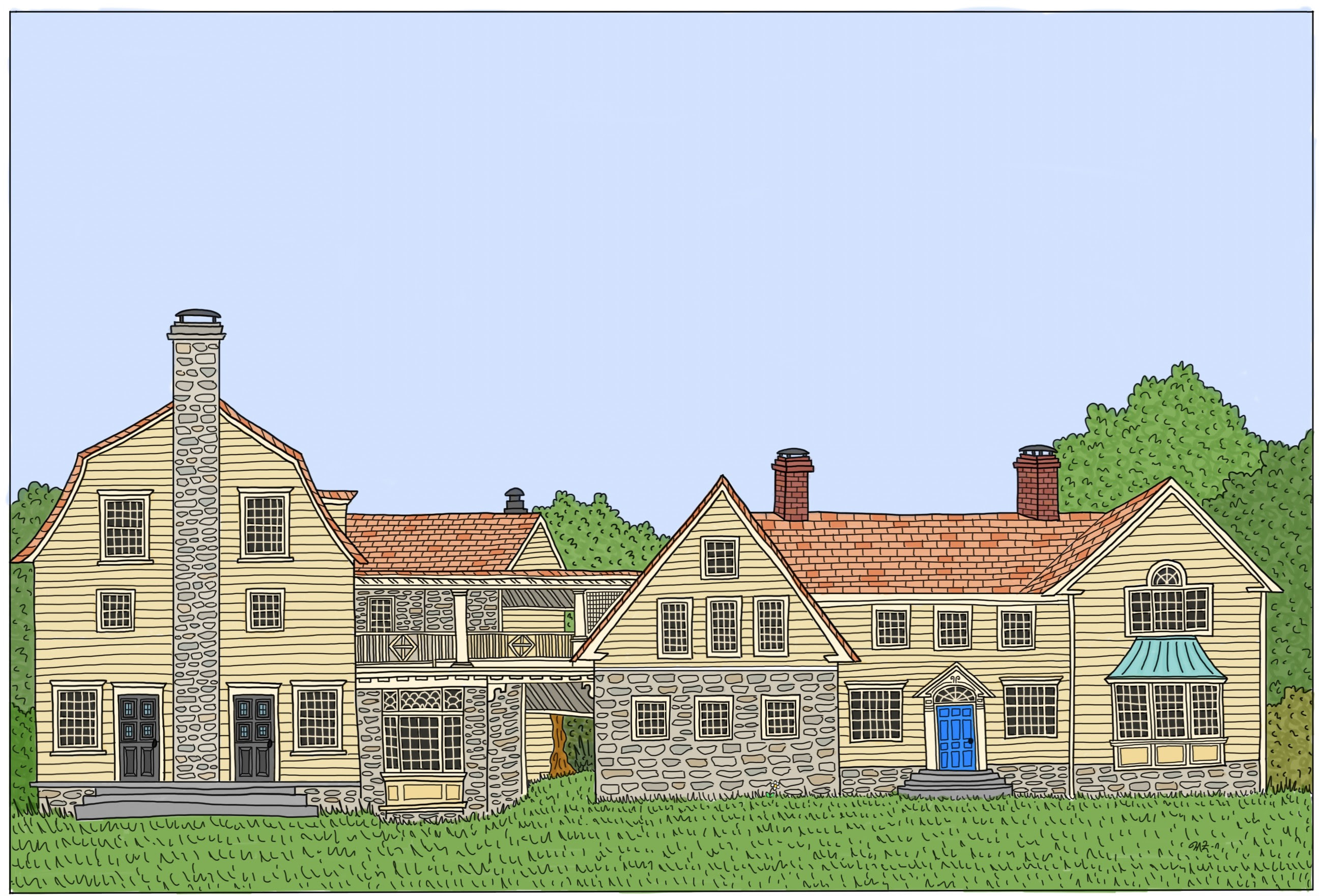
As follow-up materials to our conversation, I have attached the following: Cassilis Farm Through the Years
| c. 1890 | Colonel James Hyde builds the mansion Architect: Edward Pearce Caset Style: 3-story Georgian Revival |
| 1898 | Dr. and Mrs. Everett M Culver (nee Mary Clark) buy the property Mrs. Culver is the daughter of Montana Senator and “Copper King” William A. Clark.Dr. Culver had been coming to New Marlborough to hunt and fish with friends Hildreth Kennedy Bloodgood (Mepal) and Howard Willets (Gedney Farm).The Culvers name the property Brookmead. |
| 1902 | Fire destroys the home; the Culvers rebuild exactly as it was. |
| 1910 | J. Macy Willets and Gladys Bloodgood Willets buy the property and name it Cassilis Farm.With a staff of 12, they raise prize-winning Hackney ponies, Jersey cattle, pigs, sheep, and poultry. They plant heritage apple trees, a one-acre vegetable garden, and formal gardens. Like a village within a village, Cassilis Farm has its own blacksmith and dog hospital.The Willets add a second house connected to the main building by porte cochere. |
| 1971 | Mrs. Willets’s granddaughter, Macy Pell Hill takes ownership. |
| 1976 | George Maciunas, a prominent New York artist and gallerist buys the property with the intent of establishing an artist colony. |
| 1977 | Yoko Ono, John Lennon and son Sean visit Maciunas at Cassilis Farm. Maciunas was an early promoter of Ono’s art. |
| 1978 | Maciunas dies. Ownership is in dispute as two people had loaned him money to make the purchase. |
| 1980 | Jane Carpenter buys the property and provides a residence and educational programming for several individuals with disabilities. |
| 2020 | David Baum hopes to buy the property with the intent of relocating a private Great Barrington boarding school to the site. The deal is never finalized. |
| 2022 | Construct buys the property at auction for $685,000 with the help of Town of New Marlborough ARPA funds and individual donations. |
| 2026 | Individuals and families find homes in 11 affordable apartments at Cassilis Farm. |
You will likely be very interested in the historical documents. I appreciate your expertise in the field of historical preservation. I will likely benefit from more dialogue with you as we explore converting the large barns on the property into housing solutions in the future. Thanks for writing about this important project!
Joey Lindstrom